
Plants
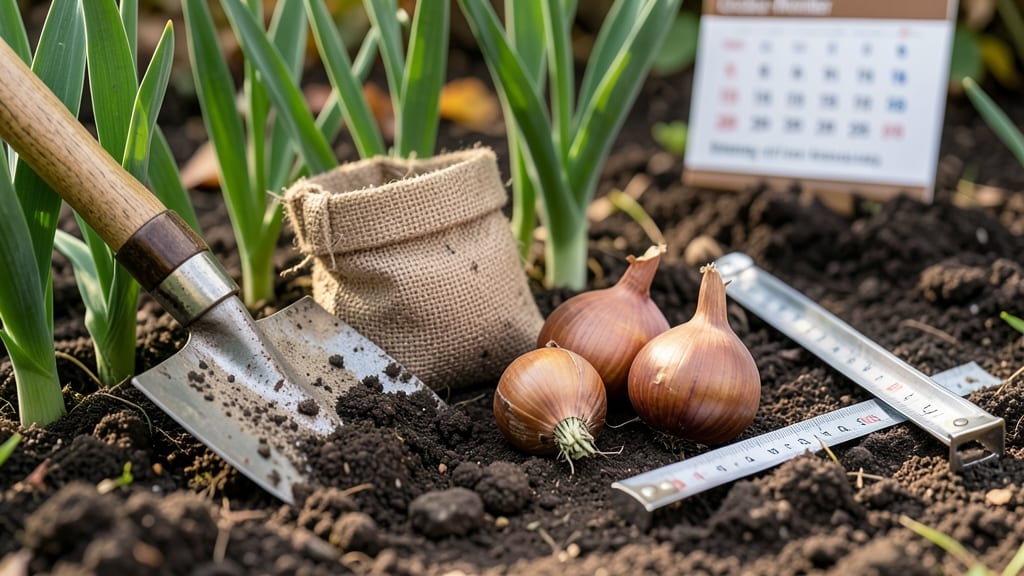
Planting tulip bulbs in Kentucky during October to November is the only way to guarantee those showstopping spring blooms — and getting it wrong means skipping the whole show.
Kentucky gardeners know timing is everything: plant too early, and the bulbs rot; too late, and frost steals your chance at perfect blooms. But nail the window, and you’ll have vibrant 🌷 tulips stealing the show year after year.
In Zone 6a, where most of Kentucky falls, the ideal planting time aligns with soil temps dropping below 60°F and before the first hard frost. That’s typically late October to early December, but Kentucky’s unpredictable fall weather can throw a wrench in the plan.
Below, I’ll break down the exact dates for your hardiness zone, how to adjust for early frosts or wet soil, and the best tulip varieties to thrive in Kentucky’s climate — so you can plant with confidence and enjoy blooms that’ll make your neighbors jealous.
Optimal Kentucky tulip planting dates by hardiness Zone (6a-7b)
Kentucky’s USDA Zones 6a-7b offer a narrow but critical window for planting tulip bulbs, and timing directly impacts next spring’s blooms. Unlike spring-planted bulbs, tulips must be planted in fall—typically between mid-October and early December—to establish roots before winter dormancy.
The soil temperature threshold is the key factor: bulbs need 60°F soil to start root growth but must avoid freezing ground.
In Zone 6a (northern Kentucky), where first frost often arrives by October 15, aim to plant by mid-October. For Zone 7b (southern Kentucky), with later frosts, you can extend planting until early December. However, bulbs planted too late risk rot if the ground stays wet or warm.
Here’s the critical rule: Plant 4-6 weeks before the first hard frost. This ensures roots establish before winter, but bulbs don’t sprout too early.
For Kentucky, that’s roughly October 15–November 15 for most regions. Use local frost data as your guide—check the National Weather Service for your county’s average dates.
| Zone | Ideal Planting Window | Soil Temp Threshold | Key Deadline | Local Adjustments |
|---|---|---|---|---|
| 6a (Northern KY) | Mid-October–November 1 | 60°F (15°C) | October 15 (first frost) | Plant by October 31 for safety |
| 6b (Central KY) | Late October–November 15 | 60°F (15°C) | November 1 (first frost) | Extend to November 20 if soil stays warm |
| 7a (Southern KY) | November 1–December 1 | 60°F (15°C) | December 10 (first frost) | Avoid planting after November 25 in wet years |
| 7b (Far South KY) | November 15–December 10 | 60°F (15°C) | December 15 (first frost) | Can plant as late as December 1 in dry soil |
Kentucky’s unpredictable fall weather can throw off even the best-laid plans. If your soil stays too wet or warm after your target planting date, delay until conditions improve. A simple soil thermometer (available for $10–$15) is your best tool—plant when soil temps drop to 60°F at 6-inch depth.
In Zone 6a, this often happens by mid-October, while Zone 7b may wait until early November.
For container gardening, the window is even tighter. Potted tulips must be planted by October 15 in Zone 6a and November 1 in Zone 7b to avoid root-bound stress. Use well-draining pots with holes and a lightweight potting mix to prevent soggy roots.
In containers, bulbs are more vulnerable to temperature swings, so move pots to a garage or shed if frost threatens early.
Pro tip: Pre-chill bulbs if planting late. Store them in a cool, dark place (like a refrigerator crisper drawer) for 4–6 weeks before planting to mimic winter conditions.
This trick can extend your planting window by 1–2 weeks in marginal zones. Just avoid freezing temperatures—bulbs should stay above 32°F.
Once planted, mulch heavily with straw or shredded leaves (3–4 inches) to insulate bulbs from freeze-thaw cycles. This is especially critical in Zone 6a, where ground temps can fluctuate wildly. Remove mulch in late winter to prevent rot and allow shoots to emerge.
Remember: No spring planting works for
How to adjust planting time for Kentucky’s unpredictable fall weather
Kentucky’s fall weather can be as unpredictable as a whirlwind—one week warm enough for shorts, the next bringing an early frost that freezes the ground overnight. For tulip bulbs, this means your 6-week planting window can shrink faster than you can say "bulb rot."
The key is flexibility: knowing how to read the forecast, prepare your soil, and have backup plans when Mother Nature throws curveballs.
If you’ve ever watched your tulip bulbs sprout too early only to be nipped by frost, you know the stakes. Or maybe you’ve missed the ideal window and now face the dreaded question: Can I still plant? The answer is almost always yes—but with adjustments.
We’ll cover how to delay planting, store bulbs temporarily, and even plant late without sacrificing next spring’s blooms.
Planting too late (after mid-November) risks bulbs sprouting before winter sets in. If your soil stays above 50°F for more than 2 weeks post-planting, your tulips may rot in the ground. Use a soil thermometer—if temps hover around 50-55°F, it’s time to plant. For Zone 6a (most of Kentucky), aim for October 15-November 1, but adjust if your fall stays warm.
First, test your soil’s readiness before digging. Stick a thermometer in the ground—60°F or below is ideal for tulip bulbs.
If your soil is still warm, delay planting by 1-2 weeks or store bulbs in a cool, dark place (like a garage with temps between 35-45°F) until conditions improve.
A simple trick: bury bulbs in a mesh bag in your garden bed (not planted) to keep them cool and prevent drying.
If you’ve missed the window entirely, don’t panic. Late planting (December or even January) can work if you take precautions. Choose hardier varieties like Darwin Hybrid tulips, which tolerate colder soils better.
Plant them shallower (4-5 inches deep) and mulch heavily with straw or leaves to insulate the soil. Water lightly before the first hard frost to encourage root growth before dormancy.
Wet soil is another Kentucky fall nemesis. If your garden stays soggy after rain, amend the soil with compost or sand to improve drainage. Raised beds are a game-changer for tulips—they warm up faster in spring and drain excess water.
If you’re planting in containers, use a mix of potting soil and perlite to prevent bulb rot. Pro tip: Elevate pots on feet or bricks to avoid water pooling.
For gardeners who love extended blooms, consider a two-stage planting strategy. Plant half your bulbs in early October and the rest in late November. This spreads out your blooming window—some tulips will emerge early, while others wait for warmer soil.
It’s like insurance against Kentucky’s unpredictable weather, ensuring you get some blooms no matter what winter throws at you.
Finally, mark your calendar for next year: Set reminders for October 15 (start date) and November 15 (last chance). Keep a soil thermometer handy and monitor local frost forecasts. With these adjustments, you’ll turn Kentucky’s chaotic fall into your tulip garden’s secret weapon for show-stopping spring blooms. 🌷