
Plants
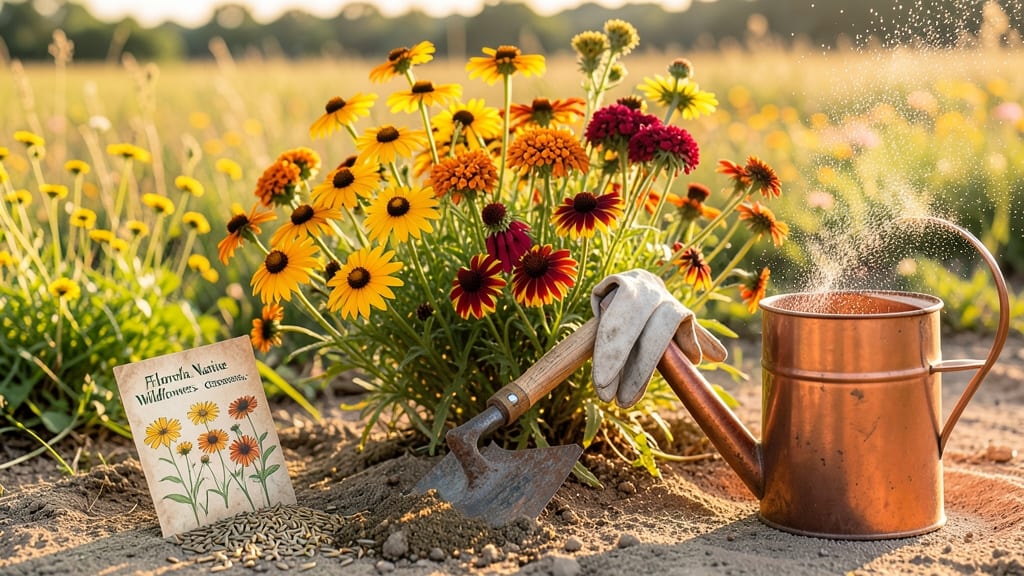
Planting wildflower seeds in Florida year-round is possible—but timing them right ensures vibrant blooms and thriving 🌼 meadows instead of patchy growth.
Florida’s warm climate makes it a paradise for wildflowers—but planting at the wrong time can leave your garden struggling instead of thriving. Timing is everything for vibrant, year-round blooms that attract pollinators and transform your landscape.
Fall and early spring are the best windows for most species, but Florida’s three distinct climate zones (8a-11) create subtle shifts in what works. Whether you’re in the Panhandle or the Keys, the key is matching seed types to rainfall patterns and temperature trends.
Below, I break down the ideal months for each region, the top wildflower species for your zone, and the simple soil prep tricks that make all the difference.
Florida’s ideal wildflower planting seasons by region (North vs. central vs. South)
Florida’s climate varies dramatically from North to South, creating distinct planting windows for wildflowers. The North (Panhandle to Orlando) has cooler winters, while the Central (Orlando to Tampa) enjoys mild winters, and the South (Fort Myers to Key West) stays warm year-round.
Each zone offers unique opportunities for vibrant blooms—if you plant at the right time.
For North Florida, the best window is early fall (September-October) and late winter (February-March). Cooler temperatures help seeds germinate without stress, while avoiding summer’s intense heat. In Central Florida, you can plant year-round, but fall (September-November) and early spring (January-February) are ideal for consistent blooms.
The South Florida region’s frost-free climate allows planting almost anytime, but late summer (August-September) and winter (December-January) are peak seasons. Here, wildflowers thrive with minimal care, thanks to steady rainfall and warm soils.
🌱
| Region | Best Planting Window | Avoid Planting | Key Considerations |
|---|---|---|---|
| North Florida | September-October February-March |
May-August (Extreme heat) |
Cooler temps improve germination; mulch to retain moisture. |
| Central Florida | September-November January-February |
April-May (Drought risk) |
Moderate rainfall; prepare soil with compost for best results. |
| South Florida | August-September December-January |
June-July (Humidity spikes) |
Frost-free; prioritize well-draining soil to prevent rot. |
In North Florida, Black-Eyed Susans and Coreopsis thrive when planted in September, benefiting from cooler temps and consistent rain. For Central Florida, Blanket Flowers and Lantana love early spring planting, as the soil warms gradually without scorching seeds.
South Florida’s warm winters make October-November perfect for Firebush and Plumbago, which bloom prolifically with minimal watering. Here, the key is avoiding mid-summer humidity, which can cause fungal issues in young seedlings.
Regardless of region, preparing the soil is critical. Loosen the top 2-3 inches of soil, remove debris, and mix in compost for better drainage. Scatter seeds lightly—most wildflowers don’t need deep planting—and press them into the soil with a rake.
After planting, water lightly for the first 2 weeks to encourage germination, then reduce to weekly watering once established. Florida’s native wildflowers are drought-tolerant, so overwatering is the bigger risk.
For year-round color, stagger plantings. Try fall seeds for spring blooms and winter seeds for summer flowers. This creates a continuous pollinator buffet for bees, butterflies, and hummingbirds.
🌼
Top 5 wildflower species and their perfect planting months in Florida
Florida’s native wildflowers thrive with the right timing, and choosing the perfect species for your region ensures vibrant blooms year-round. These top 5 wildflowers are drought-tolerant, pollinator magnets, and perfect for Florida’s climate—each with its own ideal planting window.
Let’s dive into the best months to sow seeds for maximum success.
For Black-Eyed Susans (Rudbeckia hirta), aim for late summer to early fall (August-September) to take advantage of Florida’s cooler temperatures and frequent rains. This hardy perennial blooms from summer to frost, offering golden-yellow flowers that attract butterflies and bees.
Blanket Flowers (Gaillardia pulchella) also love this window, thriving in full sun and well-draining soil.
| Species | Best Planting Months | Soil Prep | Post-Planting Care |
|---|---|---|---|
| Black-Eyed Susan | August-September | Loosen soil, add compost | Water lightly, deadhead spent blooms |
| Blanket Flower | August-September | Well-draining, sandy soil | Minimal water, full sun |
| Coreopsis | February-March | Loose, rocky soil | Water occasionally, prune back in fall |
| Firewheel | October-November | Sandy, slightly acidic soil | Water sparingly, mulch lightly |
| Butterfly Milkweed | January-February | Well-draining, sandy loam | Water deeply, avoid over-fertilizing |
If you’re planting Coreopsis (Tickseed), late winter (February-March) is ideal. These sun-loving perennials produce cheerful yellow or pink blooms from spring to fall and thrive in dry, rocky soil.
For Firewheel (Gaillardia), opt for October-November to establish roots before winter rains. This species loves sandy, slightly acidic soil and blooms in fiery red and yellow hues.
Don’t overlook Butterfly Milkweed (Asclepias tuberosa), a must-have for monarch butterflies. Plant seeds in January-February for a head start, as this species prefers well-draining, sandy loam. It’s low-maintenance but requires minimal watering once established—perfect for Florida’s dry spells.
After planting, focus on light watering and minimal soil disturbance. Most Florida wildflowers are drought-tolerant once established, but young seedlings benefit from consistent moisture. Mulch lightly to retain soil moisture and suppress weeds, but avoid smothering seeds.
With these species-specific planting tips, your Florida garden will burst with color and life. Choose the wildflowers that match your landscape’s conditions, and enjoy year-round blooms that support local ecosystems. Happy planting! 🌼