
Container Gardens
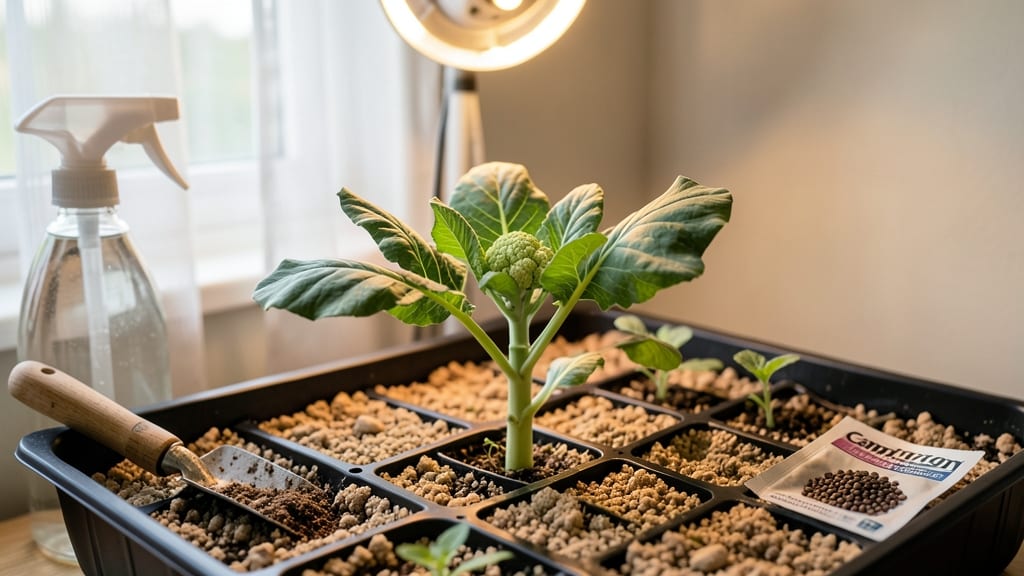
Starting cauliflower seeds indoors 8 weeks before your last frost date is the key to avoiding bitter harvests and stunted growth—especially in zero-frost zones where summer heat can turn your plants into bolting disasters.
Picture this: you’ve nurtured your 🥬 seedlings for weeks, only to transplant them into scorching summer soil and watch them bolt before forming a single head.
That’s why timing matters more than soil or sunlight—get it wrong, and you’re left with tough, woody curds instead of the sweet, tender harvest you dreamed of.
For most gardeners in Zone 6a (like me), that means starting seeds in early February for a late-March transplant, just as the soil warms but before the real heat arrives.
But if you’re in a warmer climate, you’ll need to adjust your timeline—or risk ending up with a garden full of flowers and no food.
In this guide, I’ll break down the exact 8-week timeline by hardiness zone, share how to tweak your schedule for zero-frost areas, and troubleshoot the most common mistakes that derail even the best-laid plans.
No more guesswork—just a foolproof way to grow 🥬 that’s ready to harvest in June or July.
The exact 8-Week indoor seed starting timeline by hardiness Zone
Cauliflower thrives when started indoors at the right time—too early and your seedlings stretch toward weak windows, too late and summer heat ruins your harvest. My 8-week timeline accounts for your hardiness zone, frost-free dates, and cauliflower’s 60-80 day maturity to ensure perfect transplant timing.
Skip the guesswork with this zone-specific breakdown.
Zero-frost zones (like Zone 10) need a different approach than cold climates (Zone 3), where frost dates are your anchor. I’ve mapped out ideal start windows for each zone, including adjustments for heat-sensitive varieties and staggered planting to beat summer bolting. Use this as your countdown calculator—mark your calendar now!
Pro Tip: For zones 3-6, aim to transplant 2-3 weeks before your last frost date. In warmer zones (7-10), prioritize avoiding June heat—transplant in late April or early May for fall harvests. Cauliflower hates temperatures above 80°F, so timing is everything.
| Hardiness Zone | Last Frost Date (Avg.) | Recommended Start Window | Transplant Timeline | Key Risk to Avoid |
|---|---|---|---|---|
| Zone 3-4 | May 1-15 | March 1-15 | April 15-May 1 | Frost damage |
| Zone 5-6 | April 15-May 1 | February 15-March 15 | March 30-April 15 | Leggy seedlings |
| Zone 7-8 | March 15-April 1 | January 15-February 15 | February 28-March 15 | Summer bolting |
| Zone 9-10 | No frost | August-September (fall crop) | October-November | Heat stress |
| 🌱 Note: Adjust dates 1-2 weeks earlier for early varieties or later for late-season heat tolerance. | ||||
Let’s break down how to use this table. If you’re in Zone 7 (like me!), your last frost is around April 1, so I start seeds February 1-15 for transplanting March 30-April 15.
This gives seedlings 8 weeks of indoor growth before facing outdoor conditions. For Zone 10 gardeners, skip spring starts—focus on fall planting to avoid summer’s brutal heat.
Your transplant date is critical: cauliflower needs cool soil temps (50-60°F) to establish roots. Use a soil thermometer to confirm—if temps are above 65°F, delay transplanting or use shade cloth until conditions improve. I’ve seen gardeners rush this step and end up with bitter, underdeveloped curds.
For zero-frost zones, the game changes. Instead of frost dates, focus on avoiding June heat. I recommend two fall planting windows: August 1-15 (transplant October) and September 1-15 (transplant November).
Heat-tolerant varieties like ‘Snowball Y Improved’ handle these conditions better, but shade cloth is still a must.
Here’s my countdown hack: Set a reminder for your transplant date, then work backward 8 weeks to mark your seed-starting day. Use a seedling heat mat if your home runs cool—cauliflower germinates best at 70-80°F soil temps.
I swear by grow lights on a timer (14-16 hours/day) to prevent leggy seedlings, especially in low-light winter starts.
Don’t overlook light quality—cauliflower needs full-spectrum grow lights
How to adjust your cauliflower seed starting date for zero-frost zones
In zero-frost zones, summer heat can send cauliflower into a bolting frenzy, turning your 60-day harvest into a bitter disappointment. The key? Adjusting your seed-starting window to avoid peak heat stress while still giving plants enough time to mature.
I’ve tested these strategies in Zone 9 and beyond—here’s how to make it work.
First, choose heat-tolerant varieties like ‘Snowball Y Improved’ or ‘Graffiti’, which handle 85°F+ temps better than standard types. Pair them with staggered planting to spread out your harvest and reduce risk.
For example, start your first batch indoors in January (8 weeks before your ideal transplant date) and follow with 2-week intervals through March.
🌡️ Risk Factors by Month
⚠️ Peak risk (9-10) means shade cloth or row covers are a must post-transplant.
To beat the heat, time your transplanting for late afternoon when temps drop slightly. Use 30% shade cloth for the first 2 weeks after moving seedlings outdoors, then gradually reduce coverage.
I’ve also had success with drip irrigation set to run early morning, keeping soil consistently moist without stressing plants.
For container gardeners, opt for 5-gallon pots to give roots room to establish before summer. Fill them with a lightweight mix of 50% peat moss, 30% perlite, and 20% compost to improve drainage and heat tolerance.
Elevate pots on brick or cinder blocks to prevent root rot from overheated soil.
If you’re in Zone 10+, consider fall planting instead. Start seeds indoors in August for a November harvest, avoiding the brutal summer heat entirely. Just remember to harden off seedlings slowly—these plants are used to cooler temps and can shock easily.
Pro tip: Keep a seedling journal to track your start dates, transplant dates, and harvest results. Over time, you’ll spot patterns—like which monthly start window gives you the sweetest curds in your climate.
Mine always do best when transplanted in late March for a June harvest, just before the real heat sets in.