
How To
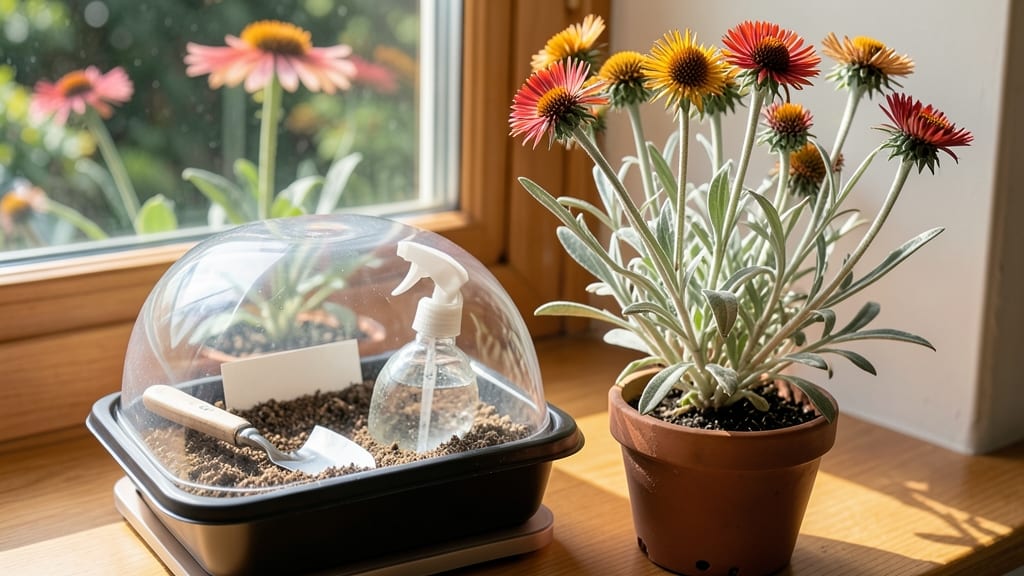
To start strawflower seeds indoors for vibrant, long-lasting blooms, aim for 6-8 weeks before your last frost date—typically late February to early March in most regions.
Strawflowers are a gardener’s secret weapon for vibrant, long-lasting blooms—but timing your indoor seed start can mean the difference between a thriving summer display and a sad, leggy disappointment.
Get the schedule wrong, and you’ll either be waiting too long for flowers or drowning in seedlings when spring arrives. The key is knowing your USDA zone, adjusting for early or late frosts, and giving those seeds the right conditions to germinate strong.
Below, I’ll break down the exact timing for your zone, how to set up your indoor growing space for success, and the simple care tips to keep your strawflowers 🌼 thriving from seed to bloom.
Strawflower seed starting timeline by USDA zone: exact weeks before last frost
Timing your strawflower (Xerochrysum bracteatum) seeds indoors is all about matching your USDA zone to the 8-12 week pre-transplant window. Start too early, and you’ll battle leggy seedlings from stretching for light; too late, and your summer blooms will arrive after peak heat.
Each zone has a critical frost date that dictates when to begin.
Strawflowers thrive in warm climates and need 6-8 weeks of indoor growth before the last frost. However, zones 3-5 require earlier starts (up to 10-12 weeks) due to shorter growing seasons. Adjust for early springs or late frosts by checking your local National Weather Service data.
Here’s how to calculate your exact start date: Subtract 8 weeks from your average last frost date (found in USDA zone maps). For example, in Zone 7 (last frost: March 15), start seeds by January 20. Use this summary-table for zone-specific guidance:
For Zone 9-10 gardeners, strawflowers are perennial in mild winters, so you can sow seeds year-round. However, aim for January-February starts for spring blooms and August starts for fall displays. Use grow lights if natural light is limited during winter months.
If your last frost date is earlier or later than average, adjust your timeline by 1-2 weeks. For example, if frost typically hits April 1 in your area (instead of March 15), push your start date back by 2 weeks.
Always monitor soil temperatures—strawflowers prefer 60°F+ for germination.
Once seedlings hit 4-6 inches tall and have 4-5 true leaves, they’re ready for hardening off. This process takes 7-10 days and involves gradually exposing seedlings to outdoor conditions. Skip hardening if transplanting into containers, but still acclimate to sunlight intensity.
Pro tip: Use seedling heat mats in Zones 3-5 to maintain 70-75°F soil temps during germination. Without heat, seeds may take 3-4 weeks to sprout instead of the usual 7-14 days. Keep trays in a bright, warm spot (like above the fridge) until sprouts emerge.
After transplanting, strawflowers bolt quickly in warm weather, so prioritize well-draining soil and full sun. Deadhead spent blooms to encourage continuous flowering through fall. In Zones 3-6, treat them as annuals—they won’t survive winter frosts.
🌼
How to time strawflower seed starting for maximum bloom duration
Strawflowers thrive when you override their natural dormancy and extend their bloom season through smart timing. Unlike many annuals, strawflowers can flower year-round in warm climates if you use succession planting and light manipulation. The key is breaking their dormancy cycle while maintaining consistent growth conditions.
In cooler climates, I start my first batch 6-8 weeks before last frost for summer blooms, but the real magic happens when I stagger sowings every 3 weeks.
This creates a continuous bloom cycle from early summer through fall. For warm climates, I ignore frost dates entirely and focus on light and temperature control instead.
- Start first batch 6-8 weeks before last frost for summer blooms in cool climates
- Sow succession batches every 3 weeks to extend blooms through fall
- Use grow lights (14-16 hours/day) to override dormancy in warm climates
- Maintain 70-75°F daytime temps for continuous flowering
- Pinch back tips of seedlings to encourage bushier growth
For warm climates (Zones 8-11), I completely ignore frost dates and focus on light manipulation. Strawflowers naturally enter dormancy when daylight shortens, but I can trick them into flowering year-round with 14-16 hours of artificial light daily.
I use LED grow lights positioned 6-12 inches above seedlings to maintain this cycle.
My secret weapon for extended blooms is staggered sowing. Instead of one big planting, I sow small batches every 3 weeks starting in early spring.
This ensures a continuous display from midsummer through frost. In warm climates, I can even start new batches in late summer for fall/winter blooms.
Temperature control is equally important. Strawflowers thrive at 70-75°F during the day and 60-65°F at night. In cooler months, I use heat mats under seed trays to maintain germination. Once established, I provide bright, indirect light to prevent leggy growth while keeping them flowering.
Don't forget to pinch back seedlings when they reach 6 inches tall. This encourages bushier growth and more flowers. I also rotate trays weekly to ensure even light exposure, which prevents one-sided growth that can reduce flowering potential.
With these strategies, I've had strawflowers blooming in my garden from June through November—and even year-round in my greenhouse. The key is consistency in light, temperature, and staggered planting to keep fresh blooms coming.