
Flowers
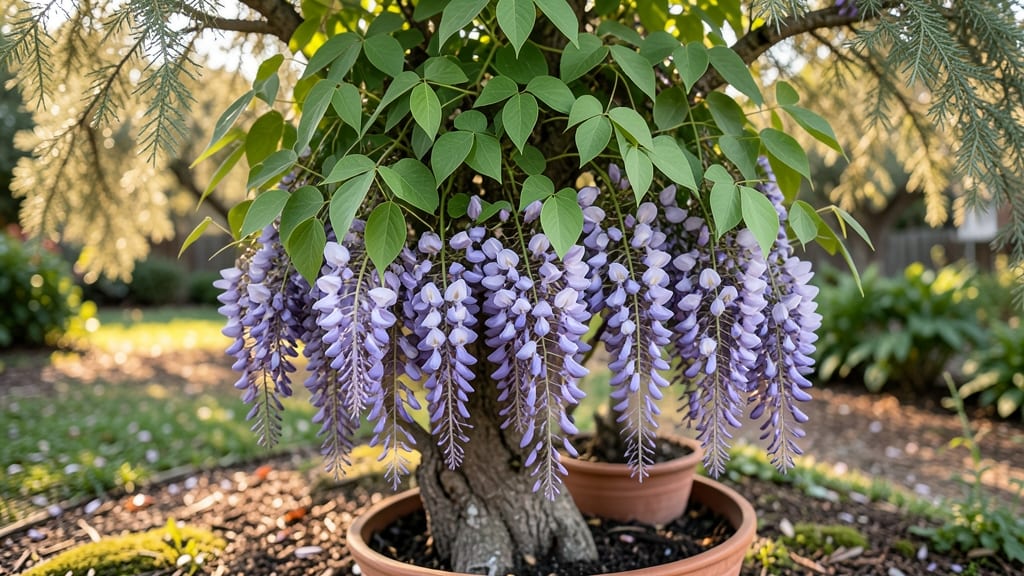
Wisteria flowers bloom in early to late spring, turning gardens into fragrant purple (or white) clouds—but only if you plant at the right time.
Picture this: You’ve waited years for those cascading 🌸 clusters, only to realize you planted too late in the season. The good news? With the right timing, you can trigger wisteria’s flowering cycle reliably, even in USDA Zone 6a where frost lingers into April.
Here’s the secret: Planting in March or April (after your last frost) aligns with wisteria’s natural dormancy period, giving roots time to establish before the first buds appear. But timing isn’t just about the calendar—soil warmth, pruning, and even your vine’s age play a role.
In the next sections, I’ll break down the exact planting windows by zone, pruning tricks to jumpstart blooms, and how to troubleshoot if your wisteria keeps playing hard to flower.
Wisteria flower time by USDA Zone: planting months for maximum blooms
Timing your wisteria planting to match your USDA zone is the secret to those dreamy, fragrant blooms every spring. Wisteria thrives when planted during its dormant season—just as buds begin to swell—but before active growth starts.
In colder zones, this means waiting until late winter or early spring, while warmer climates can plant as early as late fall. The key? Aligning with your last frost date ensures roots establish before summer heat arrives.
Your USDA zone dictates everything from planting windows to frost protection needs. For example, Zone 5 gardeners should plant in early May, while Zone 9 can start as early as November.
Even a 2-week mismatch can delay blooms by years. Let’s break down the exact months for your zone to guarantee peak flower time—no more waiting decades for those cascading clusters!
Southern climates (Zones 9-10) have a unique advantage: they can plant wisteria in fall or early winter (September-October). This lets roots establish before the mild winter, ensuring earlier blooms the following spring.
However, avoid planting in summer heat, as wisteria’s delicate roots can scorch. If you’re in Zone 10+, opt for Japanese wisteria (Wisteria floribunda), which handles humidity better than its Chinese cousin.
Northern gardeners (Zones 3-6) must wait until after the last frost—typically late April to early May. Use frost cloth if planting in March to protect young shoots. For Zone 5 and colder, choose hardier varieties like Wisteria sinensis, which tolerates -20°F temps.
Always plant 3-4 weeks before your average last frost to give roots time to anchor before summer’s intensity.
Your local microclimate can shift planting windows by 2-4 weeks. For example, a coastal Zone 7 might plant in late October, while an inland area waits until November. Check nearby weather stations for 10-year averages—not just last year’s data.
If you’re unsure, err on the later side; wisteria’s roots can handle slight delays better than early planting in cold soil.
Wisteria’s flowering cycle starts 2-3 years after planting, but timing matters. Planting at the wrong time can push blooms back 5+ years. For instance, a Zone 6 gardener who plants in June (instead of May) might see no flowers for 7 years.
The root-to-bloom connection is critical: roots must establish before summer heat to support next year’s buds.
To calculate your exact planting window, subtract 6 weeks from your average last frost date. For example, if frost hits May 10, plant by March 20. Use this formula: (Last Frost Date - 42 Days) = Planting Window.
Pro tip: Container-grown wisteria can plant 2 weeks earlier than bare-root, as its roots are less stressed.
After planting, mulch heavily (3-4 inches) to regulate soil temperature. In Zones 3-5, use straw or leaves; in Zones 7-10, opt for wood chips to retain moisture.
Avoid fresh mulch in summer, as it can smother roots. Water deeply once a week for the first 2 months, then taper to bi
How to time wisteria flowering: pruning and care for consistent blooms
Timing your wisteria pruning is the secret to unlocking those dreamy, fragrant blooms every spring. Most gardeners wait 3-5 years for flowers—but with the right cuts, you can encourage blooming even in young plants.
The key? Understanding when to prune for flowering stimulation versus structural support. I’ll walk you through my battle-tested schedule, including soil tweaks and watering hacks that make all the difference.
Wisteria flowers form on old wood, meaning last year’s growth holds next spring’s blooms. That’s why aggressive summer pruning can delay flowers for years. Instead, focus on winter shaping and light summer trimming to keep your vine happy and blooming.
Let’s start with the pruning timeline that’s worked for my USDA Zone 7 wisteria—and how to adapt it for your climate.
- 🔹 Winter (Late Feb-March): Cut back 1/3 of last year’s growth to encourage strong new shoots and flower buds. Remove dead/diseased wood first—this is your foundation cut.
- 🔹 Summer (June-July): Trim only new growth that’s longer than 6 inches to encourage bushiness. Never cut back to old wood—this kills next year’s blooms!
- 🔹 Post-Flowering (August): Lightly shape to open the canopy for air flow. Remove spent flower clusters but leave seed pods (they feed the plant).
Your soil pH plays a huge role in flowering too. Wisteria thrives in slightly acidic to neutral soil (pH 6.0-7.0). If your soil tests higher than 7.5, amend with sulfur or peat moss—this directly impacts bloom production.
I once had a non-flowering wisteria until I adjusted the pH, and the difference was dramatic within a single season.
Watering is another common stumbling block. Deep, infrequent watering (1-2 inches per week) encourages strong root growth, which translates to more flowering energy. Avoid wetting the foliage to prevent powdery mildew, a fungal disease that weakens vines.
My trick? Drip irrigation placed at the base—it keeps roots happy without inviting pests.
Still not seeing flowers? Check for these red flags: over-pruning (cutting back to old wood), poor drainage (root rot stifles blooms), or lack of sunlight (wisteria needs 6+ hours of direct sun).
If your vine is healthy but skipping blooms, try a balanced fertilizer (10-10-10) in early spring—this gives it the nutrients it needs to produce flowers instead of just leaves.
Remember, patience is key with wisteria. Even with perfect care, it can take 3-5 years for mature blooms. But by following this pruning schedule and addressing soil/water needs, you’ll set your vine up for consistent, show-stopping flowers year after year.
Now go enjoy that sweet, intoxicating scent—it’s worth the wait! 🌿