
Diseases
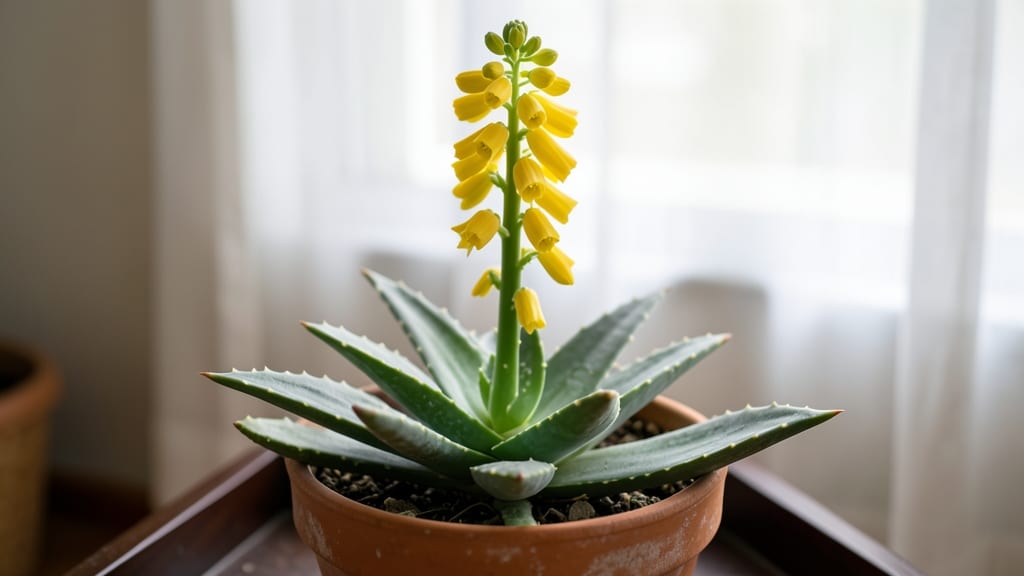
Your aloe vera’s yellow flower isn’t just a pretty surprise—it’s a red flag 🌱 that something’s wrong with your plant’s health.
Discovering a yellow bloom on your otherwise green aloe vera can feel like a shock, especially if you’ve never seen it before. This rare sight isn’t just a quirky plant quirk—it often signals stress, whether from overwatering, nutrient deficiencies, or pests lurking in the soil.
Ignoring the problem could lead to bigger issues, like root rot or stunted growth, but the good news is that fixing it is fast with the right steps. Below, I’ll walk you through how to diagnose the root cause and restore your aloe vera’s health before it’s too late.
You’ll learn how to adjust care routines, spot hidden pests, and create the ideal growing conditions so your plant thrives—without the yellow warning signs. Let’s get your aloe vera back to its vibrant best.
Why your aloe vera has a yellow flower: natural causes & warning signs
Aloe vera plants typically produce stunning orange-red flowers, but yellow blooms are unusual and often signal stress. This unexpected color change isn't just cosmetic—it's your plant's way of communicating deeper issues. Understanding the biological triggers behind yellow flowers helps you distinguish between natural aging and serious problems.
Yellow flowers in aloe vera usually appear when the plant experiences environmental stress, like sudden temperature shifts or improper light exposure. For mature plants (3+ years old), occasional flowering is normal, but persistent yellow blooms often indicate underlying health concerns.
The key is recognizing whether this is a one-time event or a recurring warning sign.
🌱
| Cause | Yellow Flower Indicator | Action Required |
|---|---|---|
| Age-related flowering | Single yellow bloom on mature plant (3+ years) | Monitor plant health; no immediate action |
| Overwatering | Multiple yellow flowers + mushy leaves | Reduce watering; check drainage immediately |
| Nutrient deficiency | Pale yellow flowers + stunted growth | Apply balanced fertilizer (5-5-5) in spring |
| Pest infestation | Yellow flowers + sticky residue on leaves | Isolate plant; treat with neem oil |
| Temperature shock | Yellow flowers after sudden cold exposure | Move to stable 60-75°F environment |
One of the most common reasons for yellow flowers is overwatering. Aloe vera stores water in its leaves, making it highly susceptible to root rot when overwatered.
When roots become waterlogged, the plant triggers emergency flowering as a survival mechanism. Look for yellowing leaf tips or a mushy base—these are clear signs of overwatering stress.
For plants in nutrient-poor soil, yellow flowers often appear alongside other deficiency symptoms like pale leaves or slow growth. Unlike healthy orange blooms, these yellow flowers are smaller and less vibrant.
Conduct a simple soil test to check pH levels—aloe vera thrives in slightly acidic to neutral soil (pH 6.0-7.0).
🌿
Pest infestations can also trigger yellow flowering, particularly when aphids or mealybugs feed on new growth. These insects excrete sticky honeydew, which can attract sooty mold and further stress the plant.
If you notice yellow flowers accompanied by white cottony residue or ants crawling on your aloe, immediate action is needed to prevent spread.
Temperature fluctuations are another frequent cause. Aloe vera is native to arid regions and struggles when exposed to sudden cold drafts or temperatures below 50°F.
If your plant experiences a cold snap followed by yellow flowering, move it to a consistent warm location (60-75°F) and avoid placing it near drafty windows or air conditioning vents.
While yellow flowers can indicate stress, they're not always a disease symptom. Some hybrid varieties like Aloe × gestrae naturally produce yellow blooms as part of their genetic makeup. To distinguish between natural variation and distress, observe your plant's overall health.
Healthy leaves, firm stems, and steady growth suggest the yellow flower is simply a varietal trait rather than a warning sign.
🌱
If your aloe vera's yellow flowers persist beyond 4-6 weeks, it's time to investigate further. Chronic stress from any of these factors can weaken the plant's immune system, making it vulnerable to fungal infections like root rot or leaf spot diseases.
The longer you ignore these symptoms, the harder it becomes to revive your aloe vera.
Remember that aloe vera's flowering cycle is highly sensitive to environmental changes. By paying attention to these yellow blooms, you're essentially getting an early warning system for your plant's health. The key is acting quickly—whether that means adjusting your watering schedule, improving light conditions, or treating potential pests.
How to fix yellow flowers & restore your aloe vera’s health
Seeing a yellow flower on your aloe vera is unusual—especially if you’ve never noticed blooms before. While these flowers can be stunning, they often signal that your plant is under environmental stress.
The good news? With the right care, you can restore your aloe vera’s health and prevent future stress-induced flowering.
Yellow flowers typically appear when your aloe vera experiences overwatering, nutrient deficiencies, or sudden changes in light or temperature. These blooms are a last-ditch effort to reproduce before the plant declines.
The key is acting quickly to address the root cause and give your plant the care it needs to recover.
⚠️ Warning: Yellow Flowers = Plant Stress
Yellow flowers on aloe vera are a red flag. If ignored, your plant may develop root rot, leaf discoloration, or even die. Act within 3-5 days to assess watering, soil, and light conditions. Overwatering is the #1 cause—aloe vera stores water in its leaves and hates soggy soil.
Start by checking your watering habits. Aloe vera thrives on infrequent, deep watering. If the soil stays damp for more than 3-4 days, your plant is likely overwatered.
Let the top 2-3 inches of soil dry out completely before watering again. Use a pot with drainage holes and avoid saucers that trap excess water.
Next, inspect the soil and nutrients. Yellow flowers can also appear if your aloe vera lacks key nutrients like nitrogen or phosphorus. Repot your plant into a well-draining cactus mix and add a balanced fertilizer (5-5-5) every 6-8 weeks during spring and summer.
Avoid fertilizing in fall or winter when growth slows.
If your aloe vera is in a low-light environment, move it to a spot with bright, indirect sunlight (like a south-facing window). Too little light weakens the plant, making it more susceptible to stress.
If outdoor temperatures are stable, consider moving it outside for 6+ hours of morning sun to rebuild its strength.
Finally, consider pruning damaged leaves and repotting if needed. Trim any yellowing or mushy leaves at the base with clean scissors. If the roots look rotted or black, repot into fresh soil and trim away affected areas. This helps your aloe vera redirect energy toward recovery instead of flowering.
With consistent care—proper watering, bright light, and nutrient-rich soil—your aloe vera should bounce back in 4-6 weeks. Monitor its progress and adjust care as needed to keep it thriving year-round. 🌱