
Flowers
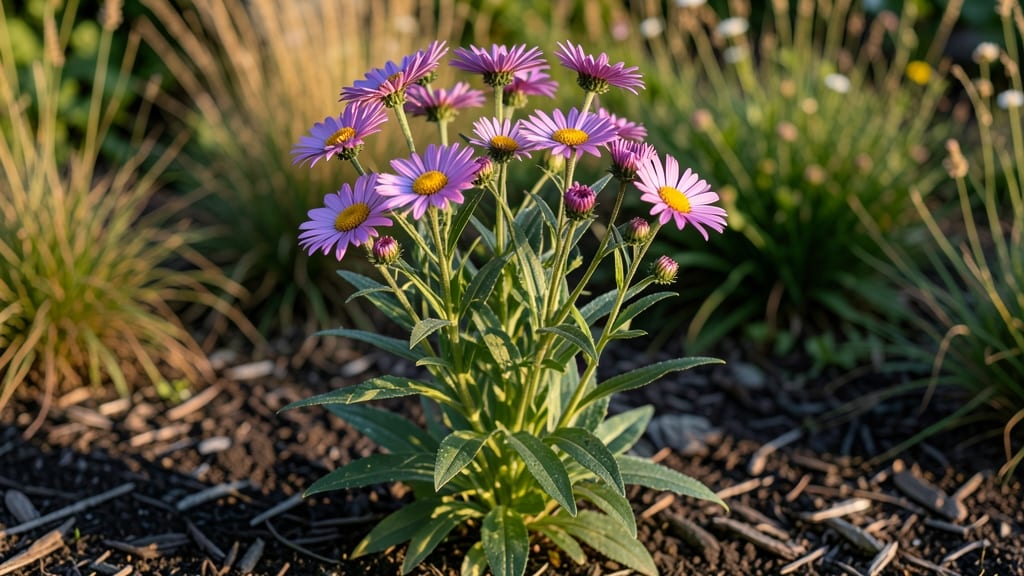
The height of an aster flower 🌸 can transform your garden from cluttered to perfectly proportioned — and choosing the right variety is the first step to getting it just right.
Struggling to find the perfect aster flowers for your garden? Their height can make or break your spacing plan—and choosing the wrong variety might leave you with overcrowded blooms or awkward gaps.
Whether you dream of a sea of dwarf asters spilling over a window box or towering giant varieties anchoring a border, the key is knowing how each type grows.
From compact 6-inch varieties that thrive in containers to 6-foot giants that command attention in the back of the border, asters offer endless possibilities. The right spacing and care can even coax them to grow taller or bushier than their natural habit suggests.
Below, I’ll break down how to match aster varieties to your space, prune for the perfect height, and avoid common mistakes that stunt growth—or let them flop into a tangled mess.

Aster flower height guide: from dwarf to towering varieties
Aster flowers offer a stunning range of heights, from delicate 6-inch dwarfs to towering 6-foot giants. The right variety can transform your garden's vertical interest—whether you're creating a low-border or a dramatic backdrop.
But choosing the wrong size can lead to overcrowding or awkward spacing. Let's explore how to select and space aster varieties based on their mature heights.
Understanding each height category helps with garden planning. Dwarf varieties (under 18 inches) work perfectly in containers or tight borders, while tall asters (3+ feet) anchor perennial beds or provide cut flower stems.
Most asters thrive in full sun (6+ hours daily) and well-draining soil, but their spacing needs vary dramatically based on height.
Spacing is critical—too close, and you'll get crowded stems with poor air circulation; too far, and your garden will look sparse. The table below breaks down height categories, ideal spacing, and design uses to help you visualize how to incorporate them.
| Height Category | Mature Height | Ideal Spacing | Sun Needs | Best Uses |
|---|---|---|---|---|
| Dwarf | 6–18 inches | 6–12 inches apart | Full sun to part shade | Containers, rock gardens, borders |
| Semi-Dwarf | 18–24 inches | 12–18 inches apart | Full sun | Front of borders, window boxes |
| Medium | 24–36 inches | 18–24 inches apart | Full sun | Mixed borders, cottage gardens |
| Tall | 36–48 inches | 24–36 inches apart | Full sun | Back of beds, cut flower gardens |
| Giant | 48–72 inches | 36–48 inches apart | Full sun | Focal points, tall hedges |
For dwarf varieties, like 'Patriot' or 'Little Pink', their compact size makes them ideal for container gardening. Plant them 6–12 inches apart in pots or window boxes to create a colorful cascade.
These thrive in part shade, making them versatile for shadier spots in your garden.
Medium-height asters (24–36 inches) strike the perfect balance for most gardens. Varieties like 'Wood's Purple' or 'Alma Potschke' work beautifully in mixed borders. Space them 18–24 inches apart to allow airflow and prevent powdery mildew, a common issue in dense plantings.
When planting tall asters (36–48 inches), like 'Mary Stoker' or 'Blue Horizon', prioritize structural support. Stake them early or plant near tall grasses or perennial shrubs to prevent flopping. Their bold blooms make them perfect for the back of borders or as cut flowers.
For giant varieties (48–72 inches), such as 'Prof. Anton Kippenberg', treat them like small trees. Space them 36–48 inches apart and place them where they can anchor your garden design. These asters need extra-sturdy supports or can be planted in groups to lean on each other for stability.
Pro tip: Group asters by height to create visual layers. Start with dwarf varieties in the front, medium heights in the middle, and tall giants in the back. This technique adds depth and seasonal interest from late summer through fall.
Remember, aster height isn't set in stone—regular deadheading can encourage bushier growth, while pruning back in early spring promotes taller stems. Experiment with different varieties to find the perfect mix for your garden's vertical vision!
Best low-growing asters for small gardens and containers
If you love asters but struggle with limited space, don't worry—there are compact varieties perfect for containers, window boxes, and tight garden beds. These dwarf asters (all under 24 inches) deliver vibrant blooms without dominating your layout.
Their neat growth habits make them ideal for balcony gardens and border edges where taller flowers would overwhelm.
When selecting low-growing asters, focus on spreading varieties that fill containers beautifully or bushy types that stay contained in small garden plots. Many thrive in partial shade, making them versatile for shady balconies or woodland garden edges.
With the right care, these miniature asters can produce abundant flowers from late summer through fall.
- 🌱 'Patriot' Series - 12-18 inches tall, pink/white/red blooms, container-perfect, thrives in full sun to partial shade
- 🌿 'Little Carlow' Series - 12-16 inches, compact mounds, drought-tolerant, ideal for window boxes and rock gardens
- ✂️ 'Prof. Anton Kippenberg' - 18-24 inches, violet-blue flowers, long-blooming, great for borders and cutting gardens
- 💧 'Wood's Blue' - 12-18 inches, deep blue blooms, spreading habit, perfect for hanging baskets and spiller containers
- ☀️ 'Alma Potschke' - 16-20 inches, pink-purple flowers, heat-tolerant, great for urban gardens and small spaces
To maximize blooms in containers, choose pots with drainage holes and use well-draining soil mixed with compost. These compact asters appreciate regular watering (about 1 inch per week) but won't tolerate soggy soil.
For longer blooming seasons, deadhead spent flowers every 2-3 weeks to encourage new growth.
In garden beds, space dwarf asters about 12-18 inches apart to prevent overcrowding while allowing them to fill in beautifully. Pair them with trailing plants like lobelia or sweet potato vine to create dynamic container combinations.
Their late-season blooms also provide food for pollinators when many other flowers have faded.
For year-round interest, plant low-growing asters alongside evergreen foliage like heuchera or sedum. Their vibrant colors contrast beautifully with deep green leaves, creating stunning visual impact in small spaces.
With proper sunlight and care, these compact varieties will reward you with months of cheerful blooms—even in the tightest of gardens.