
Fertilization
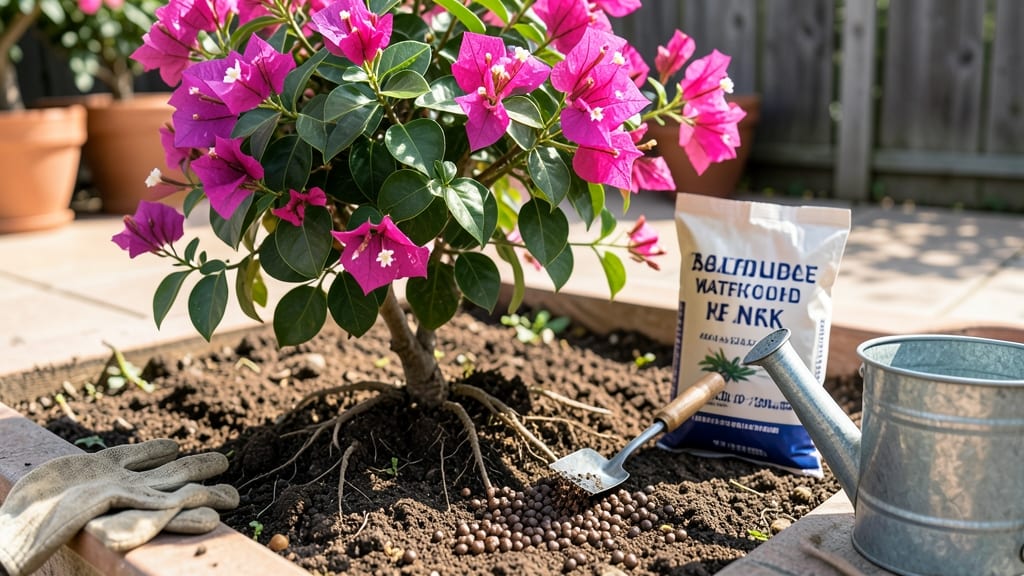
To get your bougainvillea to flower, the right bougainvillea fertilizer for flowering is essential—one that balances nutrients for vibrant blooms without scorching the roots.
Struggling to get your bougainvillea to burst into vibrant blooms? The secret isn’t just water—it’s the right fertilizer ratios and timing that trigger those stunning bracts.
Bougainvilleas thrive in USDA Zones 9b-11 with a feeding schedule that matches their growth cycle, not just a one-size-fits-all approach. Too much nitrogen, and you’ll get leaves instead of flowers. Too little phosphorus, and those bold bracts won’t appear.
Below, I break down the best NPK ratios for flowering, organic alternatives like compost tea, and a seasonal feeding schedule that keeps your bougainvillea blooming year-round—without the guesswork.
Best fertilizer ratios for bougainvillea flowering (NPK breakdown & organic alternatives)
Your bougainvillea’s vibrant bracts aren’t just about sunlight—they’re a direct response to the right NPK ratios in your fertilizer. Too much nitrogen? Lush leaves but few flowers. Too little phosphorus? Blooms stay sparse. The key is a balanced approach that fuels both foliage and flowering without burning delicate roots.
For bougainvillea, I’ve found that a 7-7-7 or 10-10-10 ratio works best during active growth, but the magic happens when you tweak the mix for flowering. Here’s why: bougainvillea thrives on moderate nitrogen to build foliage but needs phosphorus to trigger those show-stopping bracts.
Organic options like fish emulsion or compost tea can also deliver the same results without synthetic harshness.
When I first started growing bougainvillea, I made the mistake of using a high-nitrogen fertilizer like 20-10-10, thinking it would make my plants grow faster. Instead, I ended up with leafy vines but almost no flowers. That’s when I switched to a balanced 7-7-7 and saw a dramatic improvement in bract production within just two months.
The phosphorus in fertilizers like bone meal is what triggers flowering, but too much can cause nutrient burn. For organic gardeners, I recommend mixing compost tea with a low-dose liquid fertilizer (like 5-5-5) every two weeks during the growing season.
This keeps the soil healthy without overwhelming your bougainvillea’s roots.
For a DIY bougainvillea bloom booster, mix equal parts fish emulsion (for nitrogen), bone meal (for phosphorus), and kelp meal (for micronutrients). Apply this blend every 6-8 weeks during the growing season. Just be sure to water thoroughly after application to prevent root burn.
One of my favorite organic options is compost tea, which I brew at home using worm castings and aged compost. This tea is packed with beneficial microbes that improve soil structure and help your bougainvillea absorb nutrients more efficiently.
I apply it as a foliar spray every two weeks, and my plants always seem to perk up afterward.
If you’re using synthetic fertilizers, opt for slow-release granules like Osmocote 14-14-14. These release nutrients gradually, reducing the risk of over-fertilization. For potted bougainvillea, I halve the recommended dose to avoid salt buildup, which can harm roots in confined spaces.
Timing is everything with bougainvillea. Start fertilizing in
Seasonal bougainvillea fertilizing schedule: when & how much to feed for Non-stop blooms
Timing your bougainvillea's fertilizer feedings is like conducting an orchestra—get the rhythm right, and you’ll hear a symphony of vibrant blooms. These tropical beauties thrive on a seasonal schedule that mirrors their natural growth cycles, with heavy feeding during flush periods and lighter touches when they rest.
The key? Balancing nitrogen for foliage with phosphorus for flowers while avoiding winter overfeeding that wastes nutrients.
I’ve learned the hard way that bougainvilleas despise neglect and excess—both lead to sparse blooms or crispy leaf edges. In my USDA Zone 10 garden, I’ve perfected a 4-month feeding window (March–October) with adjustments for potted vs. in-ground plants.
The trick is half the dose for containers, since they dry out faster and salts build up quicker. Let’s break down the month-by-month plan that’s kept my plants bursting with color year after year.
Let’s start with March–May, your bougainvillea’s spring flush. This is when you’ll see new growth, and it’s prime time to feed.
For in-ground plants, apply 1/4 cup of granular 7-7-7 fertilizer every 6 weeks—think March 1st, April 15th, and May 1st. Potted plants get half that dose (2 tbsp) since their roots are confined. Water thoroughly before and after to prevent root burn.
I’ve noticed my pink ‘San Diego’ variety responds best to a light top-dressing of compost tea mid-spring for extra micronutrients.
June through August is summer peak, but here’s where most gardeners overdo it. Your bougainvillea is already flowering heavily, so shift to a lighter feeding schedule: every 8 weeks with 1/2 the spring dose. Overfeeding now causes nutrient burn (brown leaf edges) or chlorosis (yellowing between veins).
I’ve had to rescue plants by flushing the soil with rainwater after seeing these signs. For containers, switch to a liquid bloom booster like fish emulsion (diluted to 1 tbsp/gallon) to avoid salt buildup.
September and October are your fall taper months. Reduce feedings to every 10–12 weeks and cut doses by 75%. This helps harden off roots before winter. In my garden, I’ll apply 1 tbsp of bone meal (for phosphorus) in early September to encourage late-season blooms, then stop by November.
For potted bougainvilleas in Zone 9, I move them to a shadier spot and reduce watering—this mimics their natural dormancy period.
November through February is winter dormancy, and unless you’re in a frost-free Zone 11, your bougainvillea shouldn’t get any fertilizer. I’ve seen gardeners in Zone 10 give a very light feeding in December, but even then, it’s risky.
Watch for yellowing leaves or stunted growth—these are red flags you’re overfeeding. Instead, focus on pruning dead stems and mulching to protect roots. If you’re in a cooler zone, wait until after last frost (usually late February) to resume feeding.
One final warning: potted bougainvilleas need extra care. Their soil dries out faster, and salts from fertilizers accumulate quicker. I flush mine monthly with 3 gallons of water during growing months to prevent buildup.
And always use well-aged compost in the top inch of soil—it improves drainage and feeds beneficial microbes. With this schedule, my bougainvilleas have gone from sparse blooms to year-round color in just two seasons. The secret? Patience and precision—just like pruning, fertilization is an art, not a science.