
Light Requirements
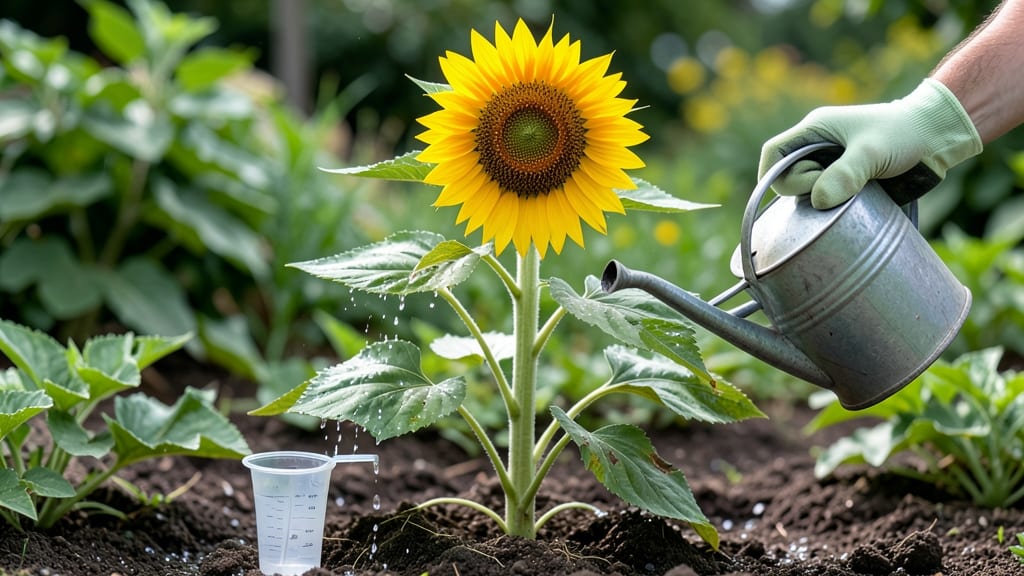
Watering sunflowers the right way means knowing how much to water sunflowers—they thrive with 1-2 gallons per week, just enough to keep the soil moist but never soggy.
Picture this: you’ve poured hours into planting your 🌻 sunflowers, only to watch them wilt or rot because you over- or under-watered them. The truth? Sunflowers are surprisingly forgiving once you nail the balance.
In this guide, I’ll break down the exact watering schedule by season, how to tell if your plants are thirsty or drowning, and how to adjust for hot summers or rainy spells.
By the end, you’ll know how to keep your sunflowers tall, healthy, and blooming—without guessing.
The ideal watering schedule for sunflowers by growth stage
Sunflowers are surprisingly resilient, but their watering needs shift dramatically from seedling to flowering stages. As a gardener who's grown sunflowers from tiny sprouts to towering giants, I've learned that consistency is key—especially during their first 6-8 weeks when roots are shallow.
Overwatering at this stage causes root rot, while underwatering stunts growth. Let's break down the precise schedule you need for each phase.
For newly planted seeds, the soil should stay consistently moist but never soggy. Think of it like wringing out a damp sponge—just enough to keep the soil hydrated without suffocating the seeds.
Once your sunflowers sprout, you'll notice their leaves unfurling and stems thickening. This is when you can gradually reduce frequency while increasing water volume to encourage deep root development.
Here's your at-a-glance watering guide for each growth phase, including soil moisture targets and environmental adjustments:
| Growth Stage | Watering Frequency | Water Amount | Soil Moisture Target | Key Adjustments |
|---|---|---|---|---|
| Seedling (0-2 weeks) | Every 2-3 days | ½ gallon per plant | Consistently moist | Use shallow watering; avoid wetting leaves |
| Vegetative (3-6 weeks) | Every 3-5 days | 1-1½ gallons per plant | 1-2 inches deep | Water deeply at soil level; mulch to retain moisture |
| Flowering (7-12 weeks) | Every 5-7 days | 2 gallons per plant | 2-3 inches deep | Reduce frequency; focus on drought tolerance |
| Seed Development (12+ weeks) | Every 7-10 days | 1-1½ gallons per plant | 1-2 inches deep | Monitor for dry spells; maintain consistent moisture |
During the seedling stage, I recommend using a spray bottle or gentle watering can to avoid disturbing the delicate sprouts. Aim for ½ gallon per plant every 2-3 days, ensuring the top 1 inch of soil stays moist.
This is when sunflowers are most vulnerable to damping off, a fungal disease caused by overwatering. If your seedlings appear leggy or pale, they're likely thirsty—adjust to daily watering until they perk up.
As your sunflowers enter the vegetative growth phase (typically 3-6 weeks after planting), their water needs increase dramatically. This is when you'll see those iconic large, jagged leaves unfurling rapidly. At this stage, I switch to deep watering—1-1½ gallons per plant—every 3-5 days.
The goal is to encourage roots to grow deeper into the soil, making your sunflowers more resilient during droughts.
When buds begin forming, you've reached the flowering stage, and your watering approach should shift again. Sunflowers are surprisingly drought-tolerant once established, so I reduce frequency to every 5-7 days while increasing volume to 2 gallons per plant.
This helps prevent bud drop, which occurs when plants receive inconsistent moisture. If you notice buds wilting or falling off, increase frequency temporarily until they recover.
For container-grown sunflowers, the rules change slightly. Potted plants dry out faster, so I water every 2-3 days throughout the growing season, using ½ gallon per 5-gallon pot. Always check soil moisture by sticking your finger 1-2 inches deep—if it feels dry, it's time to water.
Containers also benefit from self-watering mechanisms like saucers filled with pebbles and water to maintain humidity.
Environmental factors play a huge role in adjusting your schedule. During heatwaves (common in USDA Zone 7-9), I increase frequency to every 2-3 days and water in the early morning to reduce evaporation.
In cooler climates or after rainfall, I extend the gap to 7-10 days between waterings. Always prioritize deep, infrequent watering over shallow, frequent sessions to build strong root systems.
One of my biggest lessons came during a drought year when my sunflowers still thrived with minimal water. The key was mulching with straw or wood chips to retain moisture and reduce weeds.
This simple step cut my watering needs by 30% while keeping plants healthy. If you're dealing with clay soil, which holds too
Signs of overwatering vs underwatering sunflowers (and how to fix it)
Sunflowers are surprisingly resilient, but their water needs can trip up even experienced gardeners. Too little water stunts their growth, while too much causes root rot and yellowing leaves. Learning to spot these water stress signs early means your sunflowers can bounce back quickly.
First, check the soil moisture by sticking your finger 1-2 inches deep. If it feels dry, your sunflower needs water. If it's soggy, you're overdoing it. Leaf discoloration is another key clue—yellowing between veins often signals overwatering, while crispy, brown edges mean underwatering.
How Much to Water Sunflowers
DO
- Water deeply 1-2x weekly during growth
- Use 1-2 gallons per plant in morning
- Check soil moisture before watering
- Reduce watering during rainy periods
DON'T
- Water shallowly daily (encourages weak roots)
- Let soil stay soggy for days (root rot risk)
- Water at night (promotes fungal growth)
- Ignore yellowing leaves or wilting
For overwatered sunflowers, stop watering immediately and let the soil dry out. If the stems feel mushy, your plant may have root rot—trim affected roots and repot in fresh, dry soil. Underwatered plants need deep watering at the base to revive their roots, followed by consistent moisture checks.
Pay attention to the growth stage too. Seedlings need more frequent watering (every 2-3 days), while mature plants can handle weekly deep waterings. Mulching around the base helps retain moisture and keeps roots stable.
If your sunflower's leaves curl downward during the day but perk up at night, it's likely thirsty. However, if they stay wilted even after watering, it could signal root damage from overwatering. Adjust your schedule and monitor closely.
Remember, sunflowers are drought-tolerant once established, so don't panic if you miss a watering day. The key is consistent moisture without waterlogging. With these fixes, your sunflowers will rebound and reward you with those iconic cheerful blooms.