
Shrubs
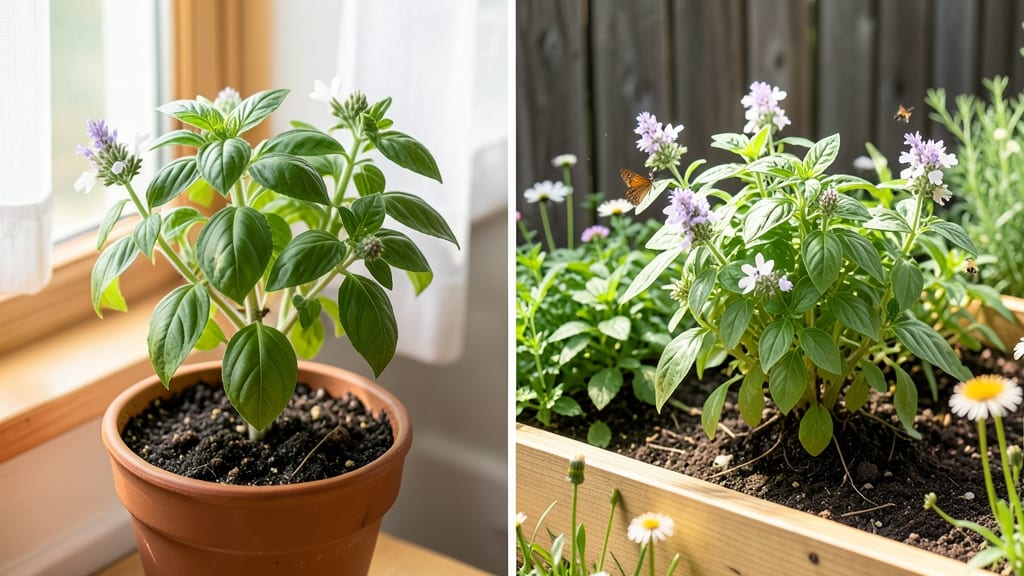
Telling if basil is flowering means spotting tiny white or purple blooms at the stem tips, which signal it’s time to act before your harvest suffers.
If your basil plants are suddenly producing those delicate flowers, you’re not just dealing with a pretty sight—those blooms signal a major flavor decline and can shorten your harvest season. 🌿
Flowering basil tastes bitter and shifts energy from leaves to seeds, so pinching them off early is the key to keeping your plants productive. Below, I’ll show you exactly what to look for and how to keep your basil thriving all summer.
You’ll learn how to identify flower buds before they form, the best pruning techniques, and even how to delay blooming for a longer harvest. Let’s get your basil back to its peak flavor fast.
Visual signs your basil is flowering (and why it matters)
When your basil plants start sending up flower stalks, it’s a clear sign your harvest window is closing faster than you’d like. Those delicate white or purple blooms might look pretty, but they’re actually stealing energy from your plant’s leaves—where the real flavor lives.
The moment you spot these flower buds, your basil’s aromatic oils begin to shift, turning sweet varieties bitter and reducing overall yield.
Most gardeners don’t realize how quickly this happens. A basil plant can go from lush and leafy to flowering in just 2-3 weeks under ideal conditions.
The key is catching these visual cues early. Sweet basil varieties like Genovese or Spicy Globe are especially prone to early blooming, while Thai basil and Lemon basil may show different timing patterns. Understanding these signs helps you act before your plants’ energy shifts permanently.
Here’s what to watch for to identify flowering basil before it’s too late:
The flower buds are your first warning sign. These tiny white or purple formations appear where leaves meet stems. If you ignore them, they’ll grow into full flower stalks that can reach 12 inches tall in just days.
This is when your basil’s energy shifts from leaf production to seed creation—a process that drains the plant and reduces its ability to produce flavorful foliage.
Pay attention to leaf changes too. When basil starts flowering, the leaves often become smaller and less aromatic. The vibrant green color may fade, and leaves can develop a dull, papery texture.
In sweet basil varieties like Genovese, this shift means the anethole compounds (what gives basil its signature flavor) start breaking down, leading to bitterness.
Timing matters more than you might think. Most basil plants begin flowering in late spring or early summer, typically between June and July in most growing zones. If your plants are in containers, they may flower even earlier due to stress from root-bound conditions.
The good news? Acting quickly can reset your plant’s growth cycle and give you weeks more of harvestable leaves.
Don’t assume all basil varieties flower the same way. Thai basil, for example, often develops purple-tinged leaves alongside its flowers, while Lemon basil may show yellowing leaves as it prepares to bloom.
Knowing these variety-specific signs helps you catch flowering before it ruins your harvest. The moment you see any of these changes, grab your pruning shears—your basil’s flavor future depends on it.
Here’s the hard truth: once your basil starts flowering, 90% of its energy goes toward seed production instead of leaf growth. This means your harvestable leaves will become sparse, tough, and less flavorful.
The aromatic oils that make basil sing in your cooking start to degrade within 24-48 hours of flowering. That’s why experienced gardeners treat flowering basil like a ticking clock—every hour counts.
If you’re growing basil for pesto or fresh cooking, this shift is especially critical. The Genovese basil you’ve nurtured for weeks could go from sweet and tender to bitter and fibrous overnight.
The same goes for Purple basil, where the anthocyanins (what give it color) become less stable as the plant focuses on reproduction.
Remember: your basil’s health and flavor are directly tied to these visual cues. The sooner you recognize the signs of flowering, the more control you’ll have over your harvest.
With the right knowledge, you can prune back flowers and coax your plants into producing fresh, flavorful leaves for weeks longer than most gardeners expect.
🌱
Step-by-step guide to remove basil flowers before they ruin your harvest
Once you spot those tiny white or purple flower buds on your basil plants, acting fast is key. Those blooms trigger the plant to shift energy from leaf production to seed-making, causing leaves to turn bitter and harvests to dwindle.
The good news? With the right pruning techniques, you can reset your basil and keep those flavorful leaves coming all season.
I’ve found that pinching flowers within 24 hours of appearance gives my basil the best chance to bounce back. The process is simple but requires attention to detail—especially if you’re growing Genovese, Thai, or sweet basil varieties that are prone to early flowering.
Let’s walk through the exact steps I use to remove those flowers before they ruin your harvest.
How to Tell If Basil Is Flowering: Quick Visual Check
- 🔍 Look for tiny buds at the leaf axils (where leaves meet stems). These appear as white or purple specks about 1/8-inch wide.
- 🌱 Check for elongated stalks—flowering basil grows taller stems (up to 6 inches) with small clusters at the tips.
- 🌿 Observe leaf changes: New leaves may look smaller or yellowing, signaling the plant is redirecting energy.
- ⏳ Note timing: Flowering often happens 6-8 weeks after planting, especially in hot or dry conditions.
Grab your sharp pruning shears or clean scissors—never use your fingers to pinch, as this can damage tender stems. Cut just above the leaf node (where leaves grow) to encourage new shoots.
For small buds, a simple pinch with your thumb and forefinger works too. I always sterilize my tools with rubbing alcohol to prevent disease spread between plants.
Timing matters too. Remove flowers early in the morning when stems are firm and moisture levels are high. This reduces stress on the plant and gives it time to recover before the heat of the day.
If you’re harvesting leaves at the same time, focus on the largest, healthiest leaves first—this keeps your basil bushy and productive.
After pruning, give your basil a light fertilizer boost (like a 5-10-5 balanced mix) to support regrowth. I’ve seen plants recover and produce new leaves in just 7-10 days after proper pruning.
Just avoid over-fertilizing, which can stress the plant further. Water deeply at the base to keep soil moist but not soggy—basil hates wet feet.
For container-grown basil, rotate pots weekly to ensure even sunlight exposure, which helps prevent one-sided flowering. If your basil keeps reblooming, consider moving it to a shadier spot (like morning sun only) or harvesting more aggressively. The goal is to keep those flavorful leaves coming, not the flowers!
With consistent care, your basil can stay productive for months beyond its usual 6-week harvest window. Just remember: the moment you see those first purple or white specks, act fast—your pesto and salads will thank you! 🌿