
Flowers
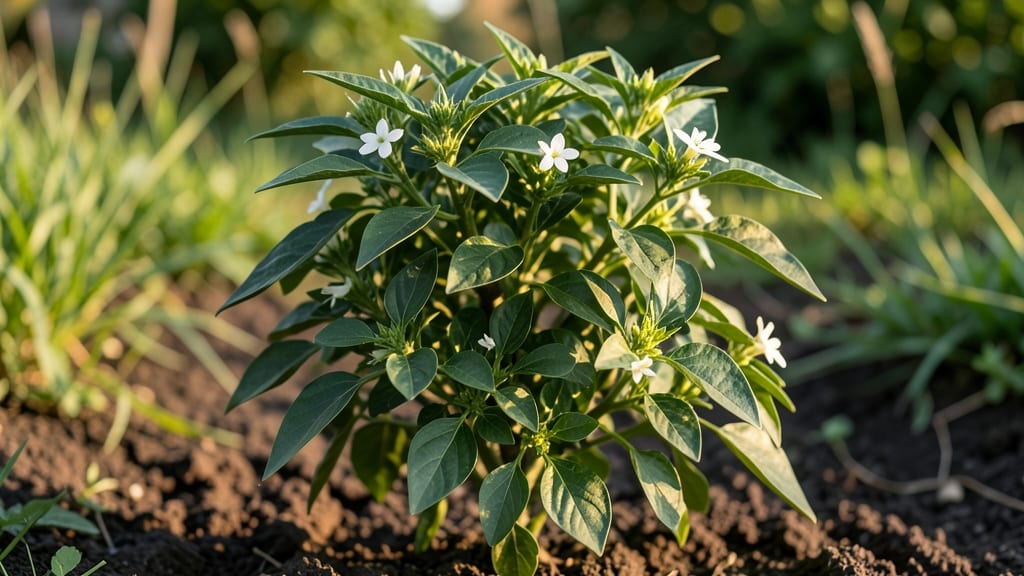
The vibrant cayenne pepper flower 🌶️ is the gateway to a fiery harvest, but many gardeners miss the timing and care that turn blooms into peppers.
Did you know that the vibrant cayenne pepper flower isn’t just beautiful—it’s the key to a bountiful harvest? Understanding when and how these flowers bloom can double your yield, but most gardeners miss critical timing and care tips that make all the difference.
From Zone 6a to warmer climates, the right conditions—like 6+ hours of sunlight and consistent moisture—make all the difference between a handful of peppers and a garden full. Even something as simple as hand-pollinating can boost production when nature falls short.
In this guide, I’ll walk you through the exact steps to encourage healthy blooms, troubleshoot common problems, and maximize your harvest from July through October.
When cayenne pepper flowers bloom: seasonal timing and climate factors
The cayenne pepper flower typically blooms between late spring and early summer, but the exact timing depends on your climate zone and growing conditions.
In USDA Zones 6-10, these delicate white or pale yellow flowers usually appear 60-75 days after transplanting, often starting in May or June. Understanding these patterns helps you maximize pollination and fruit set.
In tropical climates, cayenne peppers can flower year-round, though yields may be lower during rainy seasons. The key factor is daylight hours: cayenne peppers thrive with 12+ hours of daylight, which triggers flowering.
If your summers are short, consider extending light with grow lamps to encourage blooms.
Temperature also plays a crucial role. Ideal blooming temperatures range from 70°F to 85°F. Below 60°F, flowers may drop off, while above 90°F, pollen production can suffer. Morning sunlight and evening shade help maintain this balance in hot climates.
Healthy cayenne pepper flowers have bright white or pale yellow petals and green, sturdy stems. Look for small buds forming at leaf nodes—these indicate upcoming blooms. If flowers appear wilted or brown, it may signal underwatering, heat stress, or poor pollination.
To encourage strong blooms, prune lower leaves to improve airflow and sunlight penetration. Remove any yellowing leaves or dead flowers promptly, as they can drain energy from new growth. Hand-pollination with a small brush can also boost fruit set if natural pollinators are scarce.
Watch for flower drop, a common issue when plants experience temperature swings or nutrient deficiencies. If this happens, reduce nitrogen in fertilizers and ensure consistent moisture. A balanced 10-10-10 fertilizer applied every 4-6 weeks supports both blooms and fruit development.
In humid climates, fungal diseases like powdery mildew can threaten flowers. Space plants 18-24 inches apart and water at soil level to keep foliage dry. If you notice white powdery spots on petals, treat with neem oil or baking soda spray to protect blooms.
For container-grown cayenne peppers, blooming may be delayed due to limited root space. Use pots at least 12 inches deep and well-draining soil. Place containers in full sun and fertilize lightly every 2-3 weeks to stimulate flowering.
By aligning your care with seasonal cues and climate conditions, you’ll enjoy abundant cayenne pepper flowers and a <
How to encourage cayenne pepper flowers for higher yields
Your cayenne pepper plants need more than just sunlight to produce abundant flowers—they require a strategic approach to pruning, fertilization, and watering. Many gardeners overlook these key factors, leading to fewer blooms and smaller harvests.
By focusing on these flower-boosting techniques, you can transform your cayenne plants into high-yielding powerhouses.
The secret lies in timing and consistency. Cayenne peppers thrive when you mimic their natural growing conditions, which means balancing nutrient-rich soil, proper hydration, and gentle pruning.
Whether you're using organic compost or a balanced synthetic fertilizer, the goal is the same: to support vigorous flower production without overwhelming the plant.
Start by pruning your cayenne plants to remove any overcrowded branches or yellowing leaves. This encourages airflow and redirects energy toward flower production. Focus on cutting back 1/3 of the plant in early spring and again after harvest to promote new growth.
Use sterilized pruning shears to prevent disease spread.
For fertilization, opt for a balanced 10-10-10 NPK ratio every 4-6 weeks during the growing season. Organic options like composted manure or fish emulsion work well, but synthetic fertilizers can provide faster results. Always water the soil before applying fertilizer to avoid root burn.
Consistent watering in the morning is critical—deep soaks every 3-5 days keep roots healthy without encouraging fungal growth. Avoid wetting the leaves, as this can lead to blossom-end rot or powdery mildew. Mulching with straw or wood chips helps retain moisture and regulate soil temperature.
If your cayenne flowers aren’t setting fruit, try hand-pollination. Use a small paintbrush to transfer pollen from one flower to another, mimicking natural bee activity. This is especially helpful in greenhouse settings or during cool, rainy weather when pollinators are less active.
Avoid these common mistakes that reduce blooms: over-fertilizing with nitrogen (which promotes leaves over flowers), underwatering during flowering stages, and ignoring pest control. Regularly inspect your plants for aphids or spider mites, which can stress the plant and reduce flower production.
With these flower-encouraging techniques, your cayenne pepper plants will reward you with vibrant blooms and a bountiful harvest—all while keeping your garden thriving! 🌶️🌿