
Blooming
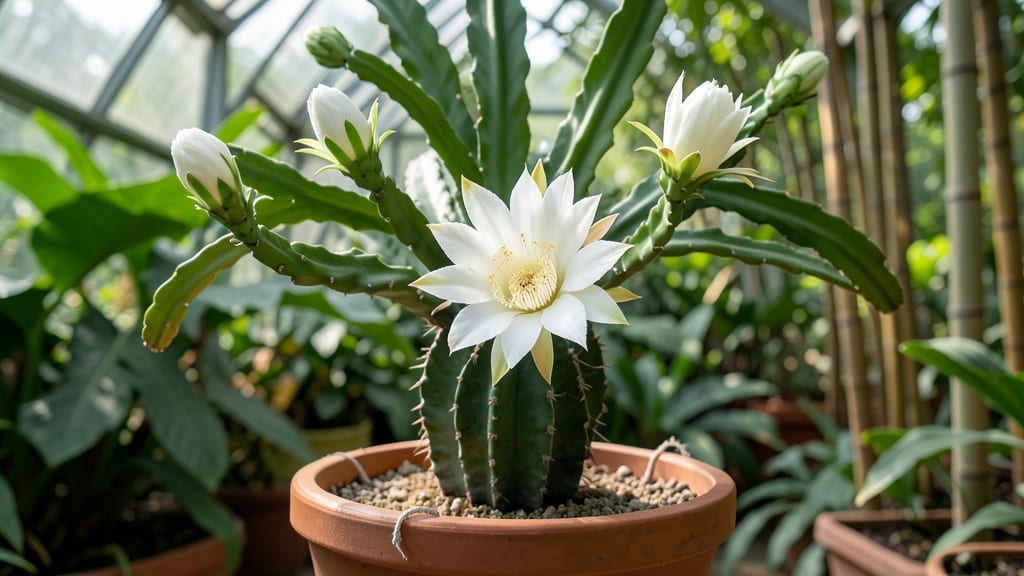
The stages of dragon fruit flowering are what turn a curious cactus into a fruit-bearing powerhouse 🌱 — and missing even one step can leave you staring at buds that never open.
There’s nothing quite like the moment your dragon fruit cactus unfurls its first blooms, but knowing exactly when to expect each stage—and how to support them—is the key to a harvest bursting with those signature pink or yellow fruits.
Without the right care, those delicate flowers can drop before they even set fruit, leaving you wondering what went wrong.
In this guide, I’ll walk you through the three critical flowering stages, from the first tiny bud to the moment pollination happens, plus the environmental tweaks that make all the difference.
Whether you’re dealing with heat waves, humidity swings, or just plain impatience, you’ll learn how to keep your dragon fruit on track for a bountiful harvest.
You’ll also discover how to spot the signs of a pollination-ready flower, troubleshoot common blooming failures, and even hand-pollinate if nature isn’t cooperating. Let’s get those dragon fruits growing!
Dragon fruit flowering stages: a month-by-month visual timeline
Watching your dragon fruit cactus (Hylocereus spp.) transform from a spiky green plant to a flowering powerhouse is magical—but timing is everything. The flowering stages span 3-4 months, with each phase requiring specific care to ensure fruit set.
From bud formation to pollination-ready blooms, understanding these stages helps you maximize your harvest. Let’s break it down month by month, so you never miss a cue.
Dragon fruit plants typically bloom in spring or early summer, but the exact timing depends on your climate zone and growing conditions. In USDA Zones 9-11, flowering often begins in March or April, while cooler regions may see blooms delayed until May or June.
The key is providing consistent warmth (70-90°F), bright light (6+ hours daily), and balanced nutrients to trigger these stages.
| Stage | Duration | Visual Cues | Care Tips | Optimal Conditions |
|---|---|---|---|---|
| Bud Formation | 2-4 weeks | Small green buds (1-2 inches) appear at stem tips | Reduce water slightly; add phosphorus-rich fertilizer | 70-80°F, bright indirect light |
| Early Bloom | 3-5 days | Flowers open at night (white/pink), close by morning | Hand-pollinate if no bees; avoid overwatering | 75-85°F, humid air (50%+) |
| Peak Bloom | 5-7 days | Flowers stay open longer; sweet fragrance at night | Pollinate daily; protect from pests | 80-90°F, full sun exposure |
| Fruit Set | 2-3 weeks | Small green fruits (1-2 inches) form; flowers wilt | Increase potassium; prune spent blooms | 70-85°F, consistent moisture |
During the bud formation stage, your dragon fruit plant is preparing for its grand display. You’ll notice small green buds (1-2 inches) emerging at the tips of your cactus’s areoles (spiny pads). This is your first signal that flowering is imminent!
To support this stage, reduce watering slightly and switch to a phosphorus-heavy fertilizer (5-10-10) to encourage root and flower development. Keep your plant in bright, indirect light—direct sun can stress delicate buds.
The early bloom stage is where things get exciting. Flowers typically open at dusk and close by morning, revealing their striking white or pink petals. If you’re in a region with few pollinators, like indoor growers, you’ll need to hand-pollinate using a small brush.
Aim for 75-85°F temperatures and humidity levels above 50% to keep flowers healthy. A mist spray bottle can help maintain humidity if your air feels dry.
At the peak bloom stage, your dragon fruit flowers will stay open longer, often emitting a sweet, tropical fragrance at night. This is the best time for pollination—whether by hand or with visiting moths/bats.
If you’re pollinating manually, use a soft paintbrush to transfer pollen from one flower to another. Protect your blooms from pests like spider mites by inspecting leaves regularly. Full sun exposure (6+ hours daily) is critical now to fuel energy for fruit development.
Once flowers begin wilting, you’ll enter the fruit set stage, where tiny green fruits (1-2 inches) start forming. This is when your plant needs extra potassium to support fruit growth. Prune any spent blooms to redirect energy to developing fruit.
Maintain consistent moisture—neither too dry nor soggy—while keeping temperatures between 70-85°F. Overwatering now can lead to fruit rot, so let the top inch of soil dry out between waterings.
Understanding these stages helps you troubleshoot issues like failed blooms or poor fruit set. For example, if buds drop before opening, your plant may need more warmth or less water. If flowers open but don’t produce fruit, pollination might be the culprit—try
How to identify pollination-ready dragon fruit flowers (and what to do next)
Dragon fruit flowers are stunning with their creamy white petals and magenta-tipped stamens, but not all blooms are ready for pollination. The key is spotting the 3-day pollination window when flowers are most receptive.
This window opens when the flower fully unfurls at dusk and lasts until the next evening, making timing critical for fruit set.
First, examine the flower's anatomy. Pollination-ready flowers have fully extended stamens (the male reproductive parts) that curve outward like a starburst. The stigma (the female part) at the center will be slightly raised and glistening with nectar—this is your cue that the flower is ready to receive pollen.
Next, trust your nose. A sweet, tropical fragrance wafting from the flower signals peak readiness. Unlike earlier stages where the scent is mild, pollination-ready blooms emit a strong, honey-like aroma that attracts pollinators naturally.
If you're growing indoors or in a greenhouse, this scent is your best indicator since visual cues alone may not suffice.
⚠️ callout-warning
Dragon fruit flowers only stay receptive for 24-48 hours. Miss this window, and the bloom will wilt and drop without setting fruit. Flowers that open at night (common in tropical climates) must be pollinated by sunrise the next day—or you’ll lose the chance entirely.
Pro Tip: Mark your calendar! Track when buds swell to 3-4 inches wide—this is when they’ll bloom within 12-24 hours.
Now for the best times to pollinate. Natural pollinators like moths and bats (depending on your climate) are most active at dusk and dawn.
If you’re relying on manual pollination, mimic this timing: use a soft paintbrush or cotton swab to transfer pollen from one flower’s stamens to another’s stigma between 6 AM and 8 AM for optimal results.
For manual vs. natural pollination, consider this: Natural methods are low-effort but rely on local pollinators, which may not always visit. Manual pollination gives you 100% control over fruit set, especially in greenhouse or indoor settings where pollinators are scarce.
I recommend starting with natural methods if possible, then stepping in with manual pollination if flowers aren’t setting fruit after 3-5 days.
After pollination, watch for the flower’s transformation. Within 48 hours, the petals will begin to curl inward and drop, leaving behind a tiny green fruit the size of a marble.
This is your confirmation that pollination succeeded! Over the next 3 months, the fruit will grow from golf-ball size to its full 6-8 inch harvestable glory.