
Blooming
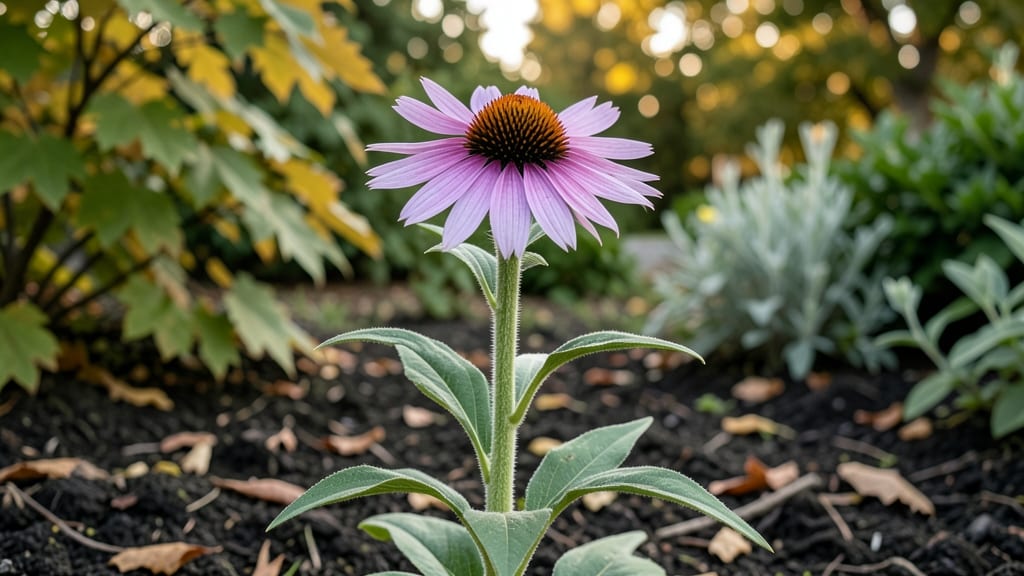
The coneflower bloom season transforms your garden into a vibrant display of purple, pink, and white in late summer and fall 🌼. If you’ve ever waited impatiently for those cheerful blooms to appear, you know timing is everything.
The right variety and care can shift your bloom season by weeks, giving you a longer show.
From USDA Zone 5 to Zone 9, the peak bloom months vary—some start as early as July, while others stretch into October. Even within the same zone, drought-tolerant varieties like Echinacea paradoxa can outlast their neighbors.
Below, I’ll break down the exact bloom windows by zone, the best varieties for extending your season, and simple tricks—like deadheading and pruning—to keep your coneflowers in peak form for months.
Coneflower bloom season by USDA hardiness Zones: when to expect peak flowers
Coneflowers (Echinacea) are one of the most reliable perennials for adding vibrant color to your garden, but their bloom timing varies dramatically depending on your USDA hardiness zone and the specific variety.
In cooler zones (3-5), you’ll see blooms as early as mid-June, while warmer climates (8-10) may enjoy flowers from late July through October. Understanding these patterns helps you plan for seasonal color and even extend your garden’s display.
Whether you’re in Zone 4’s chilly summers or Zone 9’s extended growing season, the right coneflower variety can ensure your garden stays lively from early summer to frost.
For example, Echinacea purpurea typically blooms in late summer, but E. paradoxa (Yellow Coneflower) often flowers 2-3 weeks earlier, giving you a staggered display. Let’s break down what to expect in your specific zone.
| USDA Zone | Peak Bloom Window | Early Bloomers | Late Bloomers | Care Adjustment |
|---|---|---|---|---|
| Zones 3-4 | Mid-June to early August | E. paradoxa (Yellow) | E. purpurea 'Magnus' | Plant in full sun; mulch heavily for winter protection. |
| Zones 5-6 | Late June to mid-September | E. pallida (Pale Purple) | E. purpurea 'White Swan' | Deadhead spent blooms to encourage second flushes in fall. |
| Zones 7-8 | July to October | E. tennesseensis (Tennessee Coneflower) | E. purpurea 'Hot Papaya' | Water deeply once established; minimal fertilizer needed. |
| Zones 9-10 | August to November | E. paradoxa (Heat-tolerant) | E. purpurea 'Green Envy' | Provide afternoon shade in extreme heat; prune lightly in spring. |
In Zones 3-4, where summers are short, coneflowers like Echinacea paradoxa (Yellow Coneflower) often bloom earliest, starting in mid-June. These varieties thrive with cool-season care, including a thick layer of mulch to protect roots from freezing.
In contrast, Zone 9-10 gardens can enjoy blooms well into November if you choose heat-tolerant types like E. purpurea 'Green Envy', which handles 100°F+ temperatures better than most.
One key factor affecting bloom timing is daylength sensitivity. Coneflowers in northern zones (3-5) respond to shorter days earlier, triggering blooms in late June. Meanwhile, southern varieties (8-10) may wait until August because they need longer exposure to warm temperatures before flowering.
This is why E. tennesseensis, native to the Southeast, often blooms later than its northern cousins.
If you’re in Zone 5 or 6, you can extend your coneflower season by planting a mix of early and late varieties. For example, pair E. pallida (which blooms in late June) with E. purpurea 'White Swan' (which often reblooms in September).
This creates a 3-month display with minimal effort. In warmer zones (7-10), focus on heat-resistant varieties like E. paradoxa to avoid wilting in peak summer.
Another pro tip: Deadheading (removing spent blooms) can encourage second flushes in many varieties, especially in Zones 5-8. I’ve seen E. purpurea produce a late-summer rebloom if I trim back the first flowers in early August.
However, in Zones 9-10, where blooms last longer naturally, deadheading is less critical—just remove overly leggy stems to maintain shape.
Soil conditions also play a role in bloom timing. Coneflowers in poor, rocky soil (common in Zones
Best coneflower varieties for extended bloom seasons: from early to late bloomers
If you want your garden to burst with color from early summer through fall, choosing the right coneflower varieties is key. Each type has a unique bloom window, allowing you to create a continuous display.
For example, Echinacea purpurea typically blooms mid-summer, while E. paradoxa extends the show into early fall. The secret lies in selecting varieties that overlap bloom times or choosing long-lasting types like 'White Swan', which stays vibrant for weeks.
Drought-tolerant and low-maintenance, coneflowers are perfect for busy gardeners. Their extended bloom seasons also attract pollinators like bees and butterflies, making them a garden workhorse.
Whether you're in USDA Zone 5 or Zone 9, these varieties will keep your garden lively from June through October—or even later with the right care.
| Variety | Bloom Time | Color | Height | Drought Tolerance |
|---|---|---|---|---|
| Echinacea purpurea 'Magnus' | Mid-July to September | Purple | 3-4 ft | High |
| Echinacea pallida 'Pallida' | Late June to August | Pale pink | 2-3 ft | Very High |
| Echinacea paradoxa 'Yellow Coneflower' | July to October | Yellow | 2-3 ft | High |
| Echinacea purpurea 'White Swan' | August to October | White | 3-4 ft | High |
| Echinacea atrorubens 'Hot Papaya' | Late July to September | Orange-pink | 2-3 ft | Very High |
For a long-lasting display, pair E. pallida (early bloomer) with E. paradoxa (late bloomer). The yellow coneflower stands out against traditional purples and pinks, while 'White Swan' adds elegance. All these varieties thrive in full sun and well-draining soil, making them ideal for xeric gardens or pollinator-friendly landscapes.
To maximize blooms, deadhead spent flowers by cutting back 1/3 of the stem after blooming. This encourages second flushes and extends the season. In USDA Zone 5, start with E. purpurea for early color, then add E. paradoxa for fall interest.
In warmer zones like Zone 9, these varieties may bloom even longer, sometimes into November.
Don’t overlook dwarf varieties like 'Sombrero White' for containers or borders. These stay compact (1-2 ft tall) but still offer extended blooms. Combine them with taller types for a layered look.
With the right mix, your coneflowers will keep your garden vibrant from June through October—or beyond.
Pro tip: Plant Echinacea in early spring or early fall for the best root establishment. Mulch around the base to retain moisture and deter weeds, which helps plants focus energy on prolonged flowering. With these varieties, you’ll enjoy months of color with minimal effort.