
Blooming
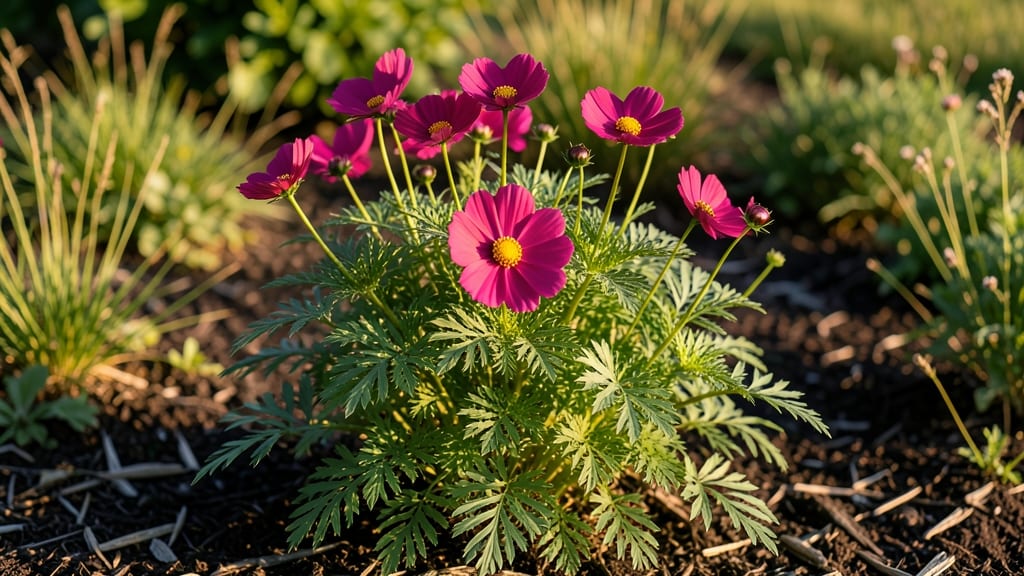
The cosmos flowering season spans from early summer to fall 🌼, with peak blooms in July and August across most USDA zones.
If you’ve ever dreamed of a garden bursting with vibrant cosmos blooms, timing is everything—these cheerful flowers thrive when planted and cared for at the right moment, depending on your USDA zone.
In warmer climates like Zone 9 or 10, cosmos may start blooming as early as June, while in cooler zones like Zone 6a, you’ll likely see flowers appear in July or August after the soil warms.
Below, I’ll break down how to extend that month-by-month flowering window, from deadheading tips to companion plants that keep the blooms coming all season.
When do cosmos bloom? Month-by-month flowering guide by USDA Zone
Timing your cosmos blooms is like planning a summer concert—they perform best when planted at the perfect moment for your USDA zone. These drought-tolerant annuals thrive in warm weather, but their flowering windows shift dramatically from Zone 3 to Zone 11.
Whether you're growing 'Sensation' cosmos or 'Bright Lights' varieties, knowing your local bloom schedule helps you create a non-stop summer display.
Cosmos typically bloom 60-90 days after sowing, but cooler zones delay their start while warmer climates enjoy extended late-season blooms. For example, gardeners in Zone 10 might see flowers as early as March, while Zone 5 growers should expect their first blooms in late June.
Let's break down the exact months for each zone so you can plan your garden's peak bloom periods.
| USDA Zone | Early Blooms | Peak Blooms | Late Blooms | Best Varieties |
|---|---|---|---|---|
| Zones 3-4 | Late June | July-August | Early September | 'Sensation Mix', 'Seashells' |
| Zones 5-6 | Early June | June-July | Late September | 'Bright Lights', 'Double Click' |
| Zones 7-8 | Late May | June-September | October | 'Purity', 'Cosmic Orange' |
| Zones 9-10 | March-April | April-October | November | 'Cosmos bipinnatus', 'Dwarf Mix' |
| Zone 11 | Year-round | Spring-Fall | Winter (mild) | 'Cosmos sulphureus' |
In Zones 3-4, where summers are short, cosmos provide a critical late-season splash of color. Plant seeds indoors in March for transplanting after last frost (typically mid-May), ensuring blooms arrive by late June. The 'Sensation Mix' variety is particularly hardy, often reblooming until early frost in September.
Gardeners in Zones 5-6 enjoy the longest continuous bloom period, with flowers appearing as early as June and lasting through October. This makes cosmos perfect for cut flower gardens—simply deadhead spent blooms to encourage non-stop production.
The 'Bright Lights' variety is a favorite here for its vibrant bi-color blooms.
Warmer Zones 7-10 experience the most dramatic seasonal extension. In Zone 7, for example, you can start seeds indoors in February for March planting, resulting in blooms as early as late May.
Meanwhile, Zone 10 gardeners can plant seeds year-round and expect flowers within 60 days of sowing.
For Zone 11 growers, cosmos are practically perennial performers. The 'Cosmos sulphureus' variety thrives in these mild climates, producing bright yellow blooms from spring through fall with minimal care. Even winter months bring occasional frost-resistant blooms when temperatures stay above 40°F.
To maximize your cosmos blooms, always plant seeds after your last frost date—cosmos hate cold soil. In cooler zones, consider using black plastic mulch to warm the soil and jumpstart growth. For container gardening, choose dwarf varieties like 'Seashells' and plant in
How to extend your cosmos flowering season with simple gardening hacks
Want your cosmos to bloom longer than just summer? With a few simple gardening hacks, you can stretch their flowering season from early summer to first frost. The secret lies in understanding their natural growth patterns and giving them the right support at each stage.
Unlike many flowers, cosmos are self-cleaning and drought-tolerant, but they still respond beautifully to thoughtful care.
In cooler climates (USDA Zones 3-7), cosmos typically bloom from July to September, while warmer zones (8-11) enjoy blooms from June through November. The key to extending this window is proactive care—not just waiting for flowers to appear.
Let’s dive into the most effective techniques to keep your cosmos garden vibrant all season long.
- 1 Deadhead daily – Snip off spent blooms above the next set of leaves to redirect energy to new flowers. This simple act can extend blooming by 3-4 weeks in optimal conditions.
- 2 Plant companion flowers – Pair cosmos with basil or marigolds to repel pests and attract pollinators. This boosts overall garden health, leading to longer flowering periods.
- 3 Feed lightly in spring – Use a balanced 5-10-10 fertilizer when plants are 6 inches tall. Over-fertilizing leads to leafy growth, not blooms.
- 4 Mulch heavily – Apply 2-3 inches of straw mulch to retain moisture and regulate soil temperature. This helps cosmos thrive in both heat and mild frost.
- 5 Stagger plantings – Sow seeds every 2 weeks from spring to early summer. This creates a continuous bloom cycle as older plants fade and new ones take over.
Don’t underestimate the power of watering habits either. While cosmos are drought-tolerant, they’ll reward you with longer blooming periods if you water deeply once a week during dry spells. Early morning watering prevents fungal diseases that can stress plants and shorten their flowering season.
For gardeners in cooler climates, consider treating cosmos as annuals but use their seeds for next year’s garden. Collect seeds from the dried flower heads in fall and store them in a cool, dry place.
This way, you’ll have fresh cosmos blooms ready to plant as soon as spring arrives.
With these easy-to-implement hacks, your cosmos garden can stay in full bloom for months—turning your yard into a year-round pollinator paradise. Start with just one technique this season and watch the difference! 🌼