
Shrubs
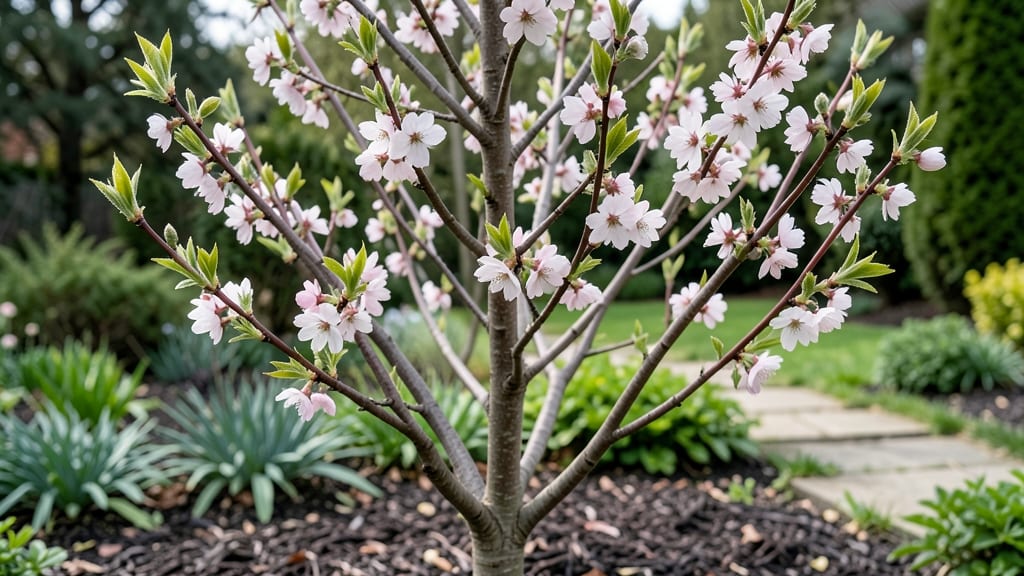
A flowering almond hedge 🌸 thrives with the right pruning—it’s the secret to those fragrant spring blooms and a thick, lush canopy that lasts all season.
Picture this: You’ve spent months nurturing your hedge, only to see it turn into a tangled mess with sparse blooms. That’s usually a pruning mistake waiting to happen. The good news? With the right techniques, you can transform it into a dense, flowering powerhouse that keeps blooming year after year.
This guide covers everything from the best time to prune (spoiler: it’s not just once a year) to how to shape it for maximum blooms. We’ll also tackle common pitfalls like over-pruning or cutting at the wrong time—and how to fix them before they stunt your hedge’s growth.
By the end, you’ll know exactly when to trim, how much to cut back, and which tools to use for that perfect, bushy flowering almond hedge. Let’s get started!
When and how to prune flowering almond hedges for maximum blooms
Your flowering almond hedge (Prunus triloba) can become a fragrant, year-round beauty with the right pruning techniques. Unlike many hedges, these thrive on light, strategic cuts that encourage dense foliage and continuous blooms.
The key? Timing and method—cut at the wrong season, and you risk stunting growth or reducing flowers. Let’s dive into the science-backed approach that transforms sparse hedges into lush, flowering masterpieces.
Flowering almonds bloom on old wood, meaning last year’s growth produces this year’s flowers. This changes everything about pruning—aggressive cuts in spring can remove next year’s blooms! Instead, we focus on shaping cuts after flowering and light maintenance in late autumn.
For USDA Zones 6-9, spring pruning (post-bloom) is critical, while cooler climates may benefit from a second cut in autumn to prevent winter dieback.
-
Step 1: Post-Bloom Pruning (Late Spring)
Trim 1/3 of last year’s growth immediately after flowers fade (May-June). Use clean, sharp shears to cut at a 45-degree angle just above a leaf bud or outward-facing branch.
-
Step 2: Shape the Hedge (Summer)
Lightly thin out crowded branches in July to improve air circulation. Avoid heavy cuts—focus on opening the center to prevent disease. Use hedge shears for clean lines if formal shaping is desired.
-
Step 3: Autumn Maintenance (Zones 6-7)
In cooler climates, prune again in October to remove dead or crossing branches. Keep cuts minimal (10%) to avoid stress before winter. Remove any suckers at the base to redirect energy upward.
-
Step 4: Winter Inspection (Optional)
Check for damaged branches after frost. Prune only dead wood—never cut into healthy tissue. This prevents winter dieback and ensures vigorous spring regrowth.
-
Step 5: Early Spring Prep (March)
Remove any frost-damaged tips and crossing branches before new growth begins. Apply a balanced fertilizer (10-10-10) to support bud development for next year’s blooms.
Timing is everything for flowering almond hedges. In warmer climates (Zones 8-9), skip autumn pruning entirely—focus only on post-bloom cuts and light summer thinning. The goal is to encourage new growth while preserving old wood that holds next year’s flower buds.
Over-pruning in autumn can leave branches vulnerable to winter cold and reduce spring blooms.
For dense foliage, prioritize horizontal layering. When pruning, always cut branches just above a leaf bud that faces outward. This creates a natural, bushier shape while improving sunlight penetration to the hedge’s center.
Avoid shearing too tightly—flowering almonds respond better to selective thinning than to harsh, uniform cuts.
Watering plays a critical role in post-pruning recovery. After each major cut, give your hedge a deep watering (2000ml per plant) to reduce stress. Mulch around the base with 2-3 inches of organic matter (like shredded bark) to retain moisture and regulate soil temperature.
This is especially important in hot, dry summers when pruning stimulates new growth.
Watch for new shoots emerging after spring pruning—these are your hedge’s way of replenishing energy. If you notice sparse growth in certain areas, apply a root stimulator to encourage deeper root development. Over time, this leads to a thicker, more resilient hedge with abundant blooms year after year.
In urban environments, where air pollution can stress plants, consider applying a foliar spray with seaweed extract after pruning. This boosts disease resistance and helps the hedge recover faster. Pair this with regular monitoring for pests like aphids or spider mites, which thrive on stressed plants.
A quick spray of neem oil keeps these pests at bay without harming beneficial insects.
Remember: patience is key. Flowering almond hedges take 2-3 years to establish a dense framework. During this time, focus on light shaping and removing dead wood rather than aggressive pruning. The reward? A fragrant, ever-blooming hedge that becomes the centerpiece of your garden.
Start today with one light cut after this season’s blooms fade. Your hedge will thank you with healthier growth and more flowers next spring—no harsh pruning required!
Common pruning mistakes that kill flowering almond hedges (and how to fix them)
Your flowering almond hedge might look stunning one season, only to become sparse and leggy the next. The culprit? Pruning mistakes that seem harmless but actually stress the plant and reduce blooms.
Unlike some shrubs, flowering almonds (Prunus triloba) are sensitive to timing and technique. Even a small error can lead to stunted growth or fewer flowers next spring.
Many gardeners unintentionally make these mistakes: pruning at the wrong time of year, cutting too aggressively, or using improper angles. These errors don't just affect appearance—they can kill new growth and weaken the plant's ability to produce those iconic white spring blooms.
The good news? Fixing them is simpler than you think.
- Pruning in late summer or fall removes next year's flower buds, leaving you with bare branches.
- Cutting at wrong angles (flat instead of 45°) creates weak branch collars prone to disease.
- Over-pruning more than 1/3 of the hedge at once shocks the plant and reduces flowering.
Flowering almonds form buds on old wood—any aggressive cuts after June risk removing next season's blooms entirely.
Let's start with the timing mistake most gardeners make: pruning after the first frost or during late summer. Flowering almonds set their buds for next year's blooms in early summer.
If you prune after July, you risk cutting off potential flowers. Instead, focus on light shaping cuts in late winter (before buds swell) and post-bloom maintenance in early summer.
Another common error is using the wrong cutting angle. Many people cut branches flat across, which creates a weak branch collar and invites disease. Always make cuts at a 45-degree angle, about 1/4 inch above a bud.
This encourages new growth from the correct spot and prevents water from pooling on the cut. For flowering almonds, this also helps direct energy toward flower production rather than weak regrowth.
Over-pruning is the third silent killer—especially if you remove more than 1/3 of the hedge in one session. Flowering almonds are resilient, but drastic cuts shock the plant and can lead to reduced flowering or even dieback.
Instead, aim for 10-15% reduction per year, focusing on shaping rather than drastic renewal. Thin out crossing branches first, then lightly trim the outer edges to maintain shape.
To fix these mistakes, start with a spring cleanup (March-April) where you remove dead or diseased wood first. Then, in early summer (June), do a light shaping trim to encourage bushiness.
Always sterilize your pruners with rubbing alcohol between cuts to prevent bacterial spread. For established hedges, a two-step approach—winter shaping + summer maintenance—will keep your flowering almond thriving for years.
Remember: patience is key. Flowering almonds respond best to gradual pruning. If your hedge is already sparse, focus on rebuilding the framework over 2-3 years rather than trying to fix everything at once.
With the right technique, your hedge will reward you with vibrant spring blooms and dense, healthy foliage year after year. 🌸