
Flowers
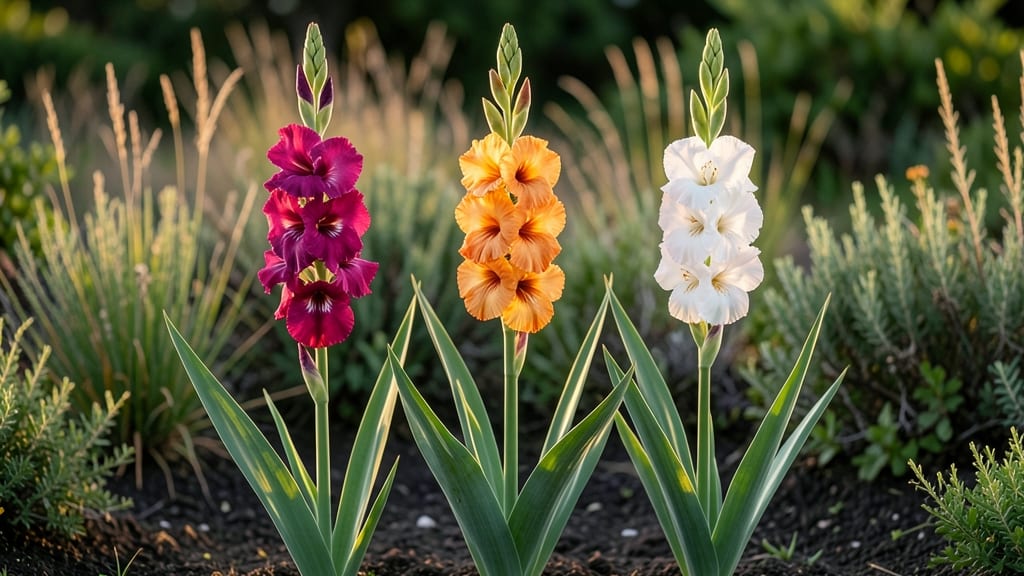
The gladiolus flower bloom time between July and September in most USDA zones can turn your garden into a dramatic vertical rainbow of color. Timing your gladiolus planting can feel like a high-stakes gamble—get it wrong, and you might miss their breathtaking, sword-like blooms entirely.
But with the right USDA zone knowledge, you can predict bloom windows with precision and turn your garden into a seasonal spectacle.
In Zone 6a, where spring arrives late, planting in early May ensures blooms peak in August, while southern zones like Florida can stretch their season into October with the right variety. The key isn’t just the calendar—it’s matching your planting to your local frost dates and heat tolerance.
Below, I’ll break down the exact month-by-month bloom windows for your zone, plus three proven tricks to extend those vibrant blooms by weeks—no matter where you garden.
Gladiolus bloom time by USDA zone: exact month-by-month calendar
Predicting when your gladiolus flowers will bloom depends heavily on your USDA zone and the variety you choose. In cooler zones like Zone 3-5, early blooms may appear as early as July, while warmer zones like Zone 9-11 can enjoy flowers from June through October.
The key is planting at the right time to avoid frost damage in northern climates.
Gladiolus thrive in full sun and well-drained soil, but their bloom timing shifts dramatically across regions. For example, Zone 7 gardeners often see peak blooms in August and September, while Zone 10 can extend blooms into November with proper care.
Understanding these patterns helps you plan for staggered plantings and maximize your garden's seasonal display.
Here’s a breakdown of gladiolus bloom windows by USDA zone, including early, mid, and late-season varieties:
| USDA Zone | Early Bloom Window | Mid-Season Bloom | Late Bloom Window | Frost Risk |
|---|---|---|---|---|
| Zones 3-4 | Late July | August | Early September | High (plant after May 15) |
| Zones 5-6 | Early July | July-August | September | Moderate (plant after April 30) |
| Zones 7-8 | June | July-August | September-October | Low (plant after March 15) |
| Zones 9-10 | May | June-September | October-November | None (year-round planting) |
| Zone 11 | April | May-October | November | None (tropical climate) |
In Zones 3-4, where frost is a constant threat, plant gladiolus corms no later than May 15 to ensure blooms appear before the first frost in September.
Early varieties like 'Early Flowering' or 'Picturest' are ideal for these regions, as they bloom faster and tolerate cooler temperatures better than late varieties.
For Zones 5-6, aim to plant corms by April 30 to catch the tail end of summer blooms. Mid-season varieties such as 'Green Garter' or 'Black Star' thrive here, offering vibrant colors from July through September.
In these zones, a light frost in October can damage blooms, so plan to harvest or cut flowers before then.
Gardeners in Zones 7-8 enjoy the longest bloom windows, often from June through October. Late-season varieties like 'Drum Major' or 'White Prosperity' perform exceptionally well, providing bold blooms well into fall. Here, you can even stagger plantings every 2-3 weeks to extend the display for months.
In warmer Zones 9-11, gladiolus can bloom nearly year-round with minimal frost risk. Plant in spring and fall for continuous flowers, and choose heat-tolerant varieties like 'Red Beauty' or 'Pink Parfait'.
These zones allow for two full bloom cycles, making them perfect for cut flower production or long-lasting garden displays.
To maximize your gladiolus bloom time, consider mulching in cooler zones to protect corms from early frost. In warmer zones, provide afternoon shade during peak summer heat to prevent bud drop. Always plant corms at a 4-6 inch depth in well-draining soil for the best results.
Pro tip: Use color-coded varieties to create a stunning gradient effect in your garden. For example, plant early bloomers like 'Apricot' in June, followed by 'Pink' varieties in July, and finish with 'Purple' blooms in August for a seamless transition.
With this month-by-month calendar, you’ll never miss a bloom again—just adjust your planting schedule based on your zone and watch your garden transform into a seasonal masterpiece! 🌸
How to extend gladiolus bloom season: proven techniques for longer flowers
Gladiolus flowers typically burst into bloom for just 2-3 weeks, but with the right strategies, you can stretch that window into a full month or more. The key lies in understanding how planting timing, variety selection, and climate management work together to prolong flowering.
Whether you're in a hot southern zone or a cooler northern region, these techniques will help you enjoy those dramatic spikes of color longer.
For me, the game-changer has been staggered planting. Instead of planting all your gladiolus corms at once, space them out in 2-3 week intervals. This ensures a continuous succession of blooms rather than one big burst.
In my USDA Zone 6a garden, I plant my first batch in early May, the second in late May, and the final batch in early June. This simple shift has extended my bloom season from 3 weeks to nearly 8 weeks!
- 📅 Stagger Planting: Plant corms in 3 batches, 2-3 weeks apart to create overlapping bloom cycles.
- 🌡️ Choose Heat-Tolerant Varieties: Select late-season types like 'Green Star' or 'Black Niagara' for extended summer blooms.
- 🌿 Mulch Heavily: Apply 3-4 inches of mulch to retain moisture and cool roots during hot spells.
- 💧 Deep Water Weekly: Provide 1 inch of water per week to prevent stress-induced early blooming.
- ✂️ Deadhead Strategically: Remove spent blooms but leave 2-3 lower buds to prolong stem life.
Another trick that works wonders in my garden is selecting the right gladiolus varieties. Some types naturally bloom later into the season, which is perfect for extending your display.
For example, 'Green Star' and 'Black Niagara' are heat-tolerant varieties that thrive in summer's heat and continue blooming when other varieties fade. I always keep a few of these in my rotation specifically for late-season color.
If you're in a warmer climate (Zones 8-11), consider planting in fall for winter blooms—just be sure to use frost-hardy varieties.
Don't underestimate the power of mulching either. A thick layer of organic mulch—like straw or shredded leaves—helps regulate soil temperature, keeping roots cool during hot days and warm on chilly nights. This consistency reduces stress on your plants, which in turn delays early blooming and extends the overall season.
I apply about 3-4 inches of mulch around my gladiolus beds, and I've noticed a significant difference in bloom duration compared to unmulched areas. Plus, it keeps weeds at bay, which is always a bonus!
Watering plays a crucial role too. Gladiolus plants need consistent moisture, especially during bud formation. I water deeply once a week, aiming for about 1 inch of water per week. The key is to keep the soil evenly moist—not soggy, but never bone-dry.
If your plants start to show signs of stress—like wilting or yellowing leaves—it's often a sign they need more water. Proper hydration helps maintain strong stems and vibrant blooms, both of which contribute to a longer display.
Finally, a little deadheading technique can work wonders. While it might seem counterintuitive to leave spent blooms, I actually remove only the faded flowers while leaving the 2-3 lower buds intact. This encourages the plant to focus its energy on developing those remaining buds, which often leads to additional blooms.
It's a simple trick that can add an extra week or two to your gladiolus season without any extra effort. Plus, it keeps your garden looking tidy and well-maintained.