
Blooming
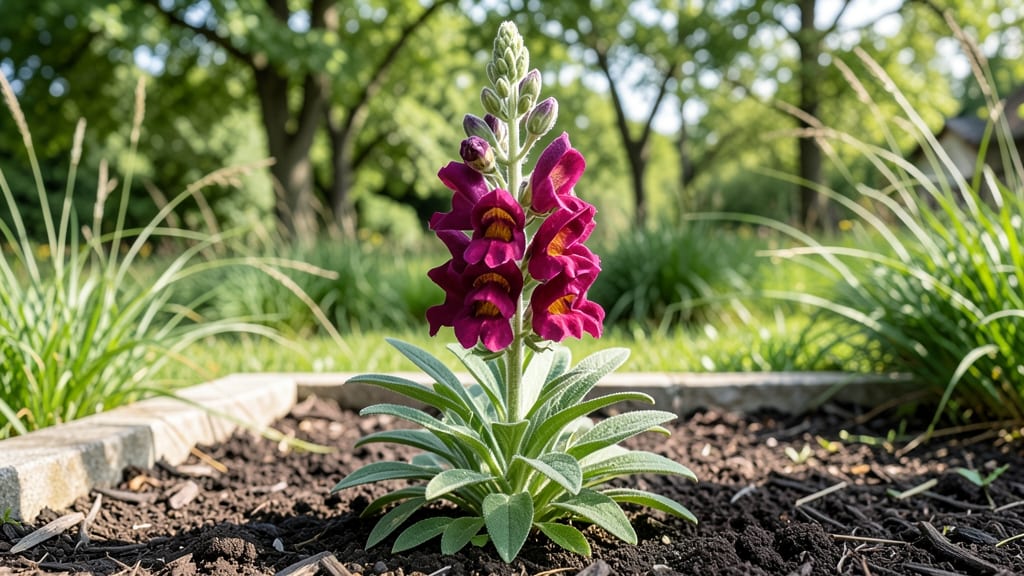
The snapdragon flower bloom time spans from early summer through fall 🌸, with timing that shifts by variety and climate zone — and knowing these details means the difference between a garden that thrives and one that fizzles.
If you’ve ever planted snapdragons only to watch them bloom too soon or fade before autumn, you’re not alone. The secret lies in matching your variety to your zone and adjusting care as seasons shift.
Some snapdragons burst into color by June, while others wait until August, and a few even stretch into October with the right conditions.
In USDA Zone 6a (like much of the Midwest), most snapdragons start blooming in June after a cool spring, but heat-loving varieties can wait until July.
Meanwhile, in warmer zones like 9 or 10, you might see flowers as early as May or as late as November, depending on the cultivar. The key is planting at the right time and giving them the care they need to keep flowering.
Below, I’ll break down the exact bloom windows for popular snapdragon varieties, how your zone affects timing, and the simple tricks to extend their flowering season by weeks — so you can enjoy those cheerful blooms for as long as possible.
Snapdragon bloom time by popular variety: exact months for peak flowers
Timing your snapdragon planting for peak blooms means choosing varieties that align with your local climate and seasonal preferences. Some snapdragons burst into color as early as late spring, while others shine through early fall, creating a continuous garden display.
The key is selecting the right variety for your desired bloom window.
In USDA Zones 6-9, most snapdragons bloom from June through September, but specific varieties can shift these windows by 4-6 weeks. For example, early-season types like 'Rocket' start in May, while late-season varieties like 'Black Prince' extend blooms into October.
Let’s break down the exact bloom periods for 10 top varieties so you can plan your garden like a pro.
Pro Tip: Pair early and late bloomers in the same bed to ensure continuous color from spring to frost. For instance, plant 'Matrix' (mid-season) alongside 'Black Knight' (late-season) for a seamless transition. This strategy maximizes your garden’s visual appeal while minimizing gaps in flowering periods.
Below is a variety-by-variety breakdown of snapdragon bloom times, including color-specific insights and peak flowering months. Use this as your guide to create a stunning, long-lasting display that keeps your garden vibrant from spring to fall.
| Variety | Color Palette | Bloom Time (Zones 6-9) | Height | Notes |
|---|---|---|---|---|
| 'Black Prince' | Deep purple-black | Late August–October | 30–36" | Late-season; dramatic contrast |
| 'Rocket Series' | Multi-color (pink, red, yellow) | May–July (early) | 24–30" | Compact; great for borders |
| 'Matrix Hybrid' | White, salmon, lavender | June–September | 20–24" | Heat-tolerant; uniform blooms |
| 'Tom Thumb' | Orange, yellow, red | July–September | 12–18" | Dwarf; ideal for containers |
| 'Hot Shot' | Scarlet red | June–August | 24–30" | Bold color; attracts hummingbirds |
| 'Black Knight' | Near-black | August–October | 36–40" | Tallest variety; striking focal point |
| 'Cupcake Series' | Pastel pink, lavender, white | June–September | 18–24" |
How USDA Zones affect snapdragon bloom timing: adjusting for cold vs. warm climatesSnapdragons (Antirrhinum) thrive in USDA Zones 3-10, but their bloom timing shifts dramatically depending on your climate. In cold zones (3-6), frost sensitivity means precise planting windows, while warmer zones (8-10) allow year-round blooms with minimal adjustments. Understanding these differences ensures you never miss peak flower displays. In Zone 3-5, snapdragons typically bloom from late June to early October, but only if planted after the last frost date. Gardeners in Zone 6-7 enjoy longer seasons, with blooms stretching from May through October. Meanwhile, Zone 8-10 gardeners can plant snapdragons in fall or spring for continuous color, sometimes even year-round in frost-free areas. For cold-climate gardeners (Zones 3-5), overwintering snapdragons requires extra care. Use mulch (3-4 inches) to insulate roots and protect from sub-zero temperatures. In Zone 6-7, focus on succession planting—sow new seeds every 2-3 weeks from spring to early summer for non-stop blooms. In Zone 8-10, snapdragons can bloom year-round if given proper care. Plant fall varieties (like 'Matrix') in late summer for winter color, then transition to spring varieties (like 'Rocket') in early spring. Deadheading spent blooms is critical to encourage continuous flowering in warm climates. Regardless of your zone, soil temperature plays a key role. Snapdragons germinate best in 60-70°F soil. Use row covers in early spring to warm the soil faster in colder zones, while shade cloth in Zone 10 protects from overheating during summer. Pro tip: Adjust watering based on your zone. In Zones 3-5, water deeply but infrequently to avoid frost heave, while Zones 8-10 may need daily watering during peak heat. Consistency is key to preventing bud drop in all climates. |