
Blooming
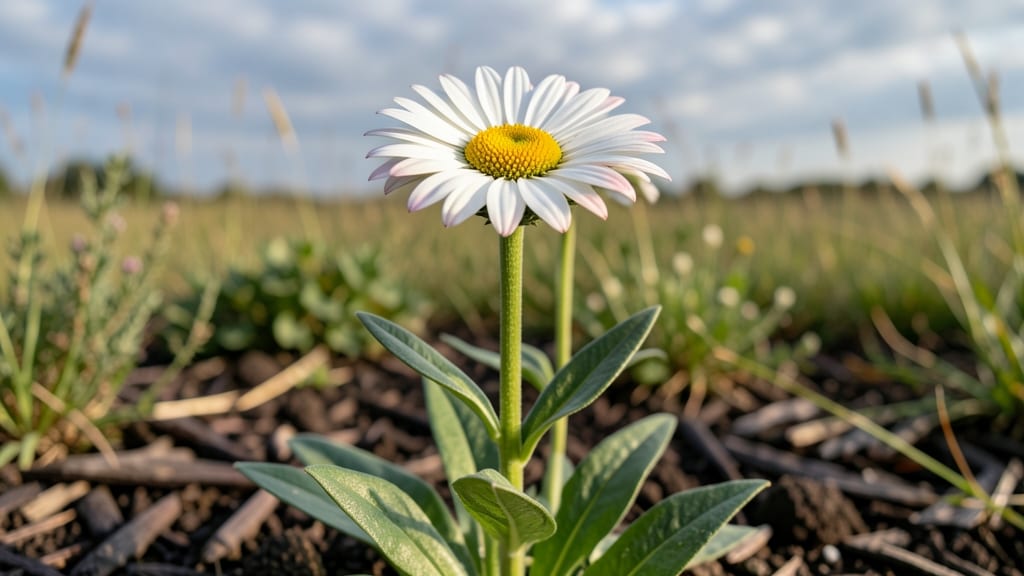
The daisy flowering time varies by variety and climate, but most burst into bloom between late spring and early fall—with some types like gerbera daisies stretching their show into winter.
If you’ve ever planted daisies hoping for a burst of color—only to be met with disappointment when they fail to bloom—you’re not alone. The key to longer flowering lies in understanding their natural cycles and how to nurture them through the seasons.
In USDA Zone 6a, where many gardeners live, daisies typically start opening their cheerful 🌼 faces in June and continue through September. But with the right care—like deadheading spent blooms and feeding them at the right times—you can coax them into flowering earlier or later.
Below, I’ll break down the best seasonal timing for popular daisy types, what factors can delay or speed up their blooms, and the simple tricks to keep your garden vibrant from spring to fall.
When do daisies bloom? Seasonal flowering time by variety
Daisies are beloved for their cheerful blooms, but their flowering time varies dramatically by variety and growing conditions. Some daisies burst into color in early summer, while others bloom year-round in warm climates.
Understanding these differences helps you choose the right type for your garden's seasonal display. Whether you're growing Shasta daisies for their classic look or Gerbera daisies for vibrant hues, timing is everything.
The daisy flowering time also depends on whether you're planting annuals or perennials. Annual varieties like Gerbera daisies often flower within 8-12 weeks of planting, while perennial types may take 2-3 years to reach full bloom potential.
First-year plants often focus on root growth before producing flowers, which is why patience pays off in perennial varieties.
Climate plays a crucial role too. In USDA Zones 5-8, most daisies bloom from late spring to early fall, while tropical varieties may flower year-round. Southern gardens often enjoy extended blooming seasons, while northern regions may see shorter displays.
Let's break down the flowering time for your favorite daisy varieties to plan your garden's seasonal highlights.
| Variety | Blooming Season | First-Year Blooms? | Climate Notes |
|---|---|---|---|
| Shasta Daisy | Mid-summer to early fall | No (focuses on roots) | Hardy in Zones 5-9; thrives in cool summers |
| Oxeye Daisy | Late spring to frost | Yes (light blooms) | Drought-tolerant; spreads aggressively |
| Gerbera Daisy | Spring to fall (annual) | Yes (8-12 weeks) | Needs warm soil; best in Zones 8-11 |
| Perennial Gerbera | Spring through frost | No (year 1) | Cold-hardy varieties available |
| Painted Daisy | Summer to early fall | Yes (light blooms) | Drought-resistant; attracts pollinators |
Shasta daisies are the classic perennial daisies that deliver their signature white blooms from July through September in most regions. These plants typically don't bloom in their first year, instead focusing on establishing a strong root system.
By their second or third year, they produce 3-5 foot stems covered in 2-4 inch flowers. Their blooming period can extend into early October in cooler climates, making them perfect for late-summer color.
Oxeye daisies, also called wild daisies, offer a more extended flowering time from June through frost. Unlike Shasta daisies, they often produce some blooms in their first year, though these may be smaller.
Their ability to self-seed means you'll likely see new plants popping up each season, creating natural drifts of cheerful white and yellow flowers. These hardy plants thrive in USDA Zones 3-9, making them excellent for low-maintenance gardens.
Gerbera daisies stand out with their vibrant colors and annual blooming habits. When grown as annuals, they typically flower within 8-12 weeks of planting, providing continuous blooms from spring through fall in warm climates.
Perennial Gerbera varieties may take longer to establish but reward gardeners with year-round color in Zones 8-11. Their flowering time can be extended by deadheading spent blooms and providing consistent moisture.
The painted daisy (Chrysanthemum leucanthemum) offers a unique twist with its yellow centers and white petals. These plants bloom from mid-summer through early fall, often producing their first flowers in the first year.
Their drought tolerance makes them ideal for xeriscaping projects, and they thrive in USDA Zones 3-9. Unlike many daisies, painted daisies often rebloom if you remove spent flowers promptly.
Understanding these flowering times helps you create a garden that offers season-long color. For example, pairing early-blooming Oxeye daisies with late-summer Shasta daisies creates a continuous display. In warmer climates, you can even extend the season by planting annual Gerbera daisies in spring and fall.
The key is choosing varieties that complement each other's blooming periods for a garden that stays beautiful from spring through frost.
Remember that light conditions significantly impact daisy flowering time. While most daisies thrive in full sun (6+ hours daily), some varieties like the African daisy (a Gerbera relative) tolerate partial shade.
If your garden has shaded areas, consider these varieties for extended blooming seasons in less-than-ideal conditions. Proper sunlight ensures your daisies will reach their full blooming potential each season.
For gardeners in cooler climates, choosing early-blooming varieties like the Alpine daisy can give you color when other plants are still dormant. These hardy varieties often bloom as early as May, providing a welcome splash of color after winter.
In contrast, tropical daisies like some Gerbera varieties may not bloom until temperatures consistently stay above 60°F (15°C), typically in late spring or early summer.
To maximize your
How to extend daisy flowering time: 5 proven gardening tips
Daisies are classic garden stars, but their blooming season can feel disappointingly short. The good news? With the right care, you can transform a 6-week display into 3-4 months of cheerful flowers. The secret lies in understanding your daisies' needs and implementing simple, science-backed techniques that encourage continuous blooming.
Many gardeners assume daisies bloom on their own schedule, but in reality, light, water, and nutrients directly control their flowering time. For example, Shasta daisies often produce one flush of blooms, while Gerbera daisies can flower year-round with proper care.
The key difference? How you manage their post-bloom energy and environmental conditions.
🌼 5 Proven Tips to Extend Daisy Blooming Time
- 🌞 Maximize sunlight exposure to 6+ hours daily by pruning nearby plants
- ✂️ Deadhead regularly (every 2-3 days) to redirect energy to new blooms
- 💧 Water deeply at soil level (1-2 inches/week) to prevent stress
- 🌱 Use balanced fertilizer (5-10-10 NPK) every 4-6 weeks during growing season
- 🌿 Mulch with compost to retain moisture and provide slow-release nutrients
Let's start with the most impactful technique: deadheading. This simple practice removes spent blooms, preventing seed formation and signaling the plant to produce more flowers. For perennial daisies, I recommend using clean pruners to snip just above the first set of healthy leaves.
The key is consistency - checking your daisies every 2-3 days during peak bloom season ensures you never miss a spent flower.
When it comes to fertilizer choices, organic options like composted manure or fish emulsion provide slow-release nutrients that encourage steady growth, while synthetic fertilizers offer immediate but shorter-term results.
For daisies, I prefer organic options because they improve soil structure over time, which actually extends flowering seasons by creating healthier root systems. Apply fertilizer in early spring and again after the first flush of blooms for best results.
The right watering schedule makes a surprising difference in bloom longevity. Daisies need about 1-2 inches of water weekly, but the timing matters just as much. Watering in the early morning prevents fungal diseases that can stress plants, while evening watering encourages slug activity.
For container-grown daisies, check soil moisture daily during hot weather, as pots dry out much faster than garden beds.
Don't overlook the power of seasonal pruning. In early spring, cut back any dead or damaged stems to encourage new growth. For Shasta daisies, I recommend a light pruning after their first bloom cycle to promote a second flush.
The goal is to remove about one-third of the plant's height while maintaining a balanced shape. This technique works particularly well in USDA zones 5-9, where cooler nights can signal daisies to rest.
For gardeners in warmer climates, consider planting Gerbera daisies which can bloom continuously with proper care. These tropical beauties thrive with morning sun and afternoon shade, making them perfect for southern gardens.
Combine these tips with proper soil drainage (daisies hate soggy roots) and you'll enjoy daisy blooms from spring through early fall with minimal effort.