
Flowers
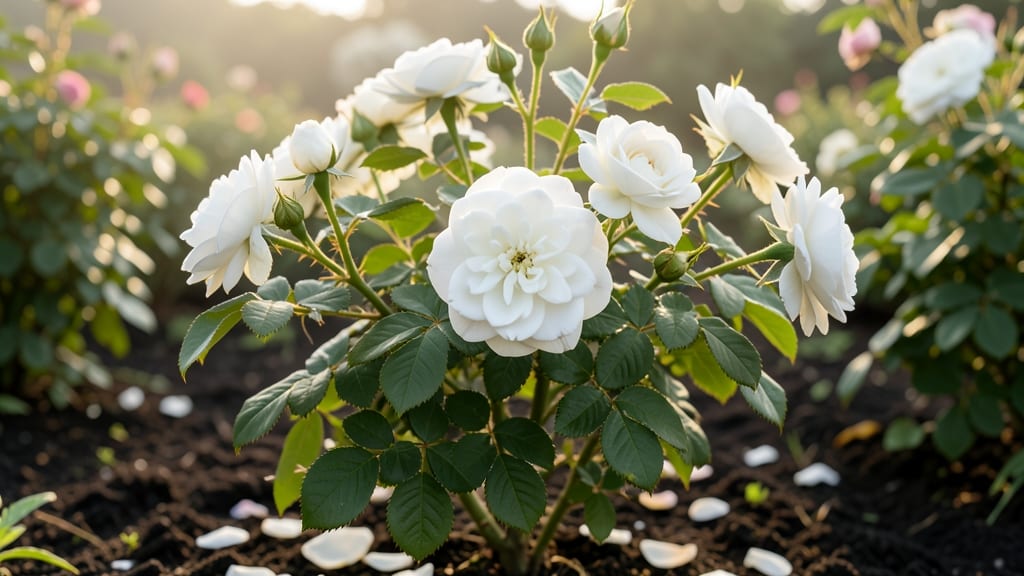
White flowers in roses bring a timeless elegance to gardens with their pure, luminous blooms 🌹—and these five varieties prove they’re far more than just pretty faces.
Picture this: a cool-climate garden where white roses reign year-round, their delicate petals standing out against autumn’s golds and spring’s fresh greens. They’re not just resilient—they’re the backbone of a garden that stays stunning from frost to frost.
But here’s the secret most gardeners miss: the right varieties make all the difference. Some white roses fade in cool weather, while others thrive, blooming longer and harder than their showy cousins.
Below, I’ll share the five cold-hardy stars that keep your garden in bloom, plus how to pair them for maximum impact.
Ready to design a garden that looks like a masterpiece in every season? Let’s get started.
5 Cold-hardy white rose varieties that bloom continuously
Cool climates don’t have to mean sacrificing stunning white roses. These five varieties defy chilly temperatures with year-round blooms and exceptional hardiness, making them perfect for gardens in zones 4-8.
Each brings its own charm—whether it’s fragrant clouds or disease-resistant blooms—while thriving where other roses might struggle. Let’s explore the best cold-hardy white roses for continuous color.
My top pick for low-maintenance elegance is the 'Iceberg' rose. This hybrid tea rose produces double white blooms that cascade like snowflakes, and it blooms continuously from spring until frost.
Its zone 4 hardiness means it handles winter freezes with ease, while its disease-resistant foliage keeps it looking pristine. Perfect for cutting gardens or container growing!
For a romantic, old-fashioned feel, 'Blanc Double de Coubert' delivers. This climbing rose covers trellises in creamy-white, cabbage-like blooms that last for weeks. It’s zone 5 hardy and blooms in late spring and fall, offering two seasonal highlights. Its intense fragrance makes it a standout for perfumed gardens.
Now, let’s compare these varieties side by side to help you choose the perfect fit for your garden:
| Variety | Hardiness Zone | Bloom Season | Height | Unique Trait |
|---|---|---|---|---|
| Iceberg | 4-9 | Spring-Frost | 3-5 ft | Disease-resistant, repeat bloomer |
| White Peace | 5-9 | Spring-Fall | 4-6 ft | Classic fragrance, hybrid tea |
| Blanc Double de Coubert | 5-8 | Late Spring-Fall | 8-15 ft (climbing) | Heavy blooms, intense fragrance |
| Seashell | 6-9 | Spring-Frost | 3-4 ft | Pale cream blooms, drought-tolerant |
| Quicksilver | 4-9 | Spring-Frost | 3-5 ft | Black-centered blooms, disease-resistant |
'White Peace' is a timeless hybrid tea rose that never fails to impress. Its large, creamy-white blooms are highly fragrant and appear in continuous waves from spring until frost. With zone 5 hardiness, it’s a reliable choice for cooler regions. This rose thrives in full sun and well-drained soil, making it a low-fuss addition to any garden.
If you love unique blooms, 'Seashell' roses are a must. Their pale cream, shell-like flowers create a dreamy, ethereal look, and they bloom abundantly from spring to frost.
This zone 6 rose is also drought-tolerant, perfect for gardens with limited water resources. Its compact size makes it ideal for borders or containers.
For a dramatic statement, 'Quicksilver' delivers with its white blooms edged in black. This zone 4 rose is extremely cold-hardy and blooms continuously from spring until fall.
Its disease-resistant foliage ensures it stays healthy even in humid climates. The contrast of black and white makes it a standout focal point in any garden.
To keep these roses blooming year-round, I recommend regular pruning in early spring and light
How to grow white roses in cool climates: expert tips for year-round blooms
Cool climates can be perfect for growing white roses—they thrive in USDA Zones 5-8 and reward you with stunning, year-round blooms when cared for properly. The key lies in seasonal adjustments like soil prep, pruning schedules, and winter protection to keep your roses healthy and flourishing.
Unlike tropical roses, white roses in cool climates need extra attention during dormancy and early spring. I’ve grown these beauties in my Zone 6 garden for years, and I’ve learned a few tricks to ensure they bloom continuously—even through chilly summers and harsh winters.
Let’s dive into the essential steps.
🌹 Expert Tips for Year-Round Blooms
- 🌱 Soil Prep: Amend clay-heavy soil with compost and sand for drainage. Aim for 6.0-6.5 pH—white roses love slightly acidic soil.
- ✂️ Pruning: Cut back dead or weak canes in early spring and lightly shape after first blooms to encourage reblooming.
- 🌡️ Winter Protection: Mulch with 4-6 inches of straw after first frost and wrap canes with burlap in Zone 5 or colder.
- 💧 Watering: Deep-water once weekly in spring/fall and 2-3x weekly in summer heat. Avoid wetting foliage to prevent disease.
- 🐛 Pest Control: Spray neem oil on aphids or Japanese beetles early in the season. Remove infected leaves immediately.
Start with well-draining soil—this is non-negotiable for white roses in cool climates. I mix in aged compost and perlite to prevent root rot, which is a common issue when winters are wet.
Test your soil’s pH level—if it’s too alkaline, add sulfur to lower it gradually over a few months.
Pruning is where many gardeners go wrong. Timing matters: Prune hybrid teas and grandifloras right after their first flush of blooms in spring. For shrub roses, like 'Iceberg', a light trim after each bloom cycle keeps them compact and bushy.
Always use sterilized shears to avoid spreading fungal diseases.
When winter arrives, protect your white roses with mulch and burlap wraps. In my garden, I mound straw around the base and loosely wrap the canes with breathable fabric.
This insulation prevents freeze damage while allowing air circulation. Remove the wraps in early spring once new growth appears.
Pests and diseases are less aggressive in cool climates, but aphids and powdery mildew can still strike. I swear by neem oil sprays for preventative care—apply it every 2-3 weeks during growing season.
If you spot yellowing leaves, it’s often a sign of overwatering or nutrient deficiency. Adjust your watering schedule and feed with a balanced fertilizer like 10-10-10 in early spring.
With these expert tips, your white roses will reward you with lush, continuous blooms—even when temperatures dip. The secret? Consistency in care and seasonal adjustments. Happy gardening! 🌿