
Blooming
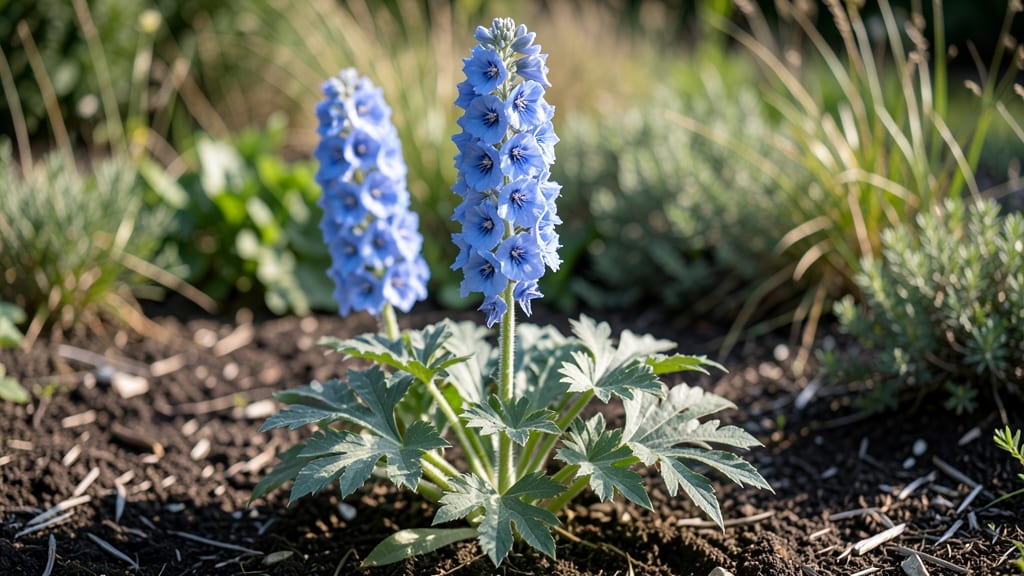
Delphinium flowers bloom in late spring through early summer 🌸 — but timing can shift dramatically depending on your variety and climate zone.
If you’ve ever waited impatiently for your delphiniums to burst into towering spikes of blue, purple, or white—only to be left wondering why they bloom when they do—you’re not alone.
These dramatic garden stars follow a precise schedule, and knowing their bloom time can mean the difference between a showstopping display and a season of disappointment.
Most delphiniums, like the Pacific Giants or Elatum varieties, thrive in USDA Zone 6a and typically open their blooms between June and August, peaking in July. However, cooler regions or early-spring planting can push that window back by weeks, while warmer climates may see flowers arrive sooner.
In this guide, you’ll discover how to predict your delphiniums’ bloom time, extend their flowering season with simple care tips, and troubleshoot common issues—so you can enjoy their stunning height and color for as long as possible.
When do delphiniums bloom? Seasonal timeline by variety
Delphiniums are the dramatic divas of the garden, offering 6-foot-tall spikes of color—but only when the timing is right. Their bloom windows vary wildly between annual and perennial varieties, with some bursting into flower as early as late spring and others waiting until mid-summer.
Understanding these differences helps you plan for sequential color that keeps your garden vibrant from May through August.
For gardeners in USDA Zones 3-8, most delphiniums follow a predictable pattern: late spring to early summer for perennials, and summer to fall for annuals. However, your local climate and planting time can shift these windows by 4-6 weeks.
For example, Pacific Giants often bloom earlier in cooler coastal regions, while Elatum hybrids may wait until June in hotter inland areas.
Here’s the key: Perennial delphiniums (like ‘Black Night’ or ‘Blue Bird’) typically bloom in two waves—first in late spring and again in early fall—if given proper care. Annual varieties (such as ‘Delphinium ajacis’) focus their energy on a single summer-long display, starting as early as June in warm zones.
To maximize your delphiniums’ performance, time your planting carefully. Sowing annual seeds indoors in early spring (8-10 weeks before last frost) ensures they’ll bloom by summer’s peak.
For perennials, plant bare-root crowns in early spring or divide established clumps in fall to reset their bloom cycle for the following year.
| Variety Type | Bloom Period | Climate Zones | Planting Time | Height Range |
|---|---|---|---|---|
| Perennial (Pacific Giants) | Late May–July | Zones 3–8 | Early spring or fall | 4–6 ft |
| Perennial (Elatum Hybrids) | June–August | Zones 4–7 | Early spring | 3–5 ft |
| Annual (Ajacis Series) | July–September | Zones 5–9 | Indoors 8–10 wks before last frost | 1–3 ft |
| Dwarf Perennial (Belladonna) | May–June | Zones 3–9 | Fall or early spring | 1–2 ft |
If you’re in a warmer zone (Zones 8–10), expect your delphiniums to bloom 2–4 weeks earlier than the average timeline. For instance, Pacific Giants might start in mid-May instead of late May, while annual varieties could stretch their blooms into early October with proper care.
Conversely, cooler zones (Zones 3–4) may see delayed blooms until June or July, especially if spring is slow to arrive.
To sync your delphiniums’ blooms with other perennials, pair early bloomers like ‘Black Knight’ (June) with peonies (May) and late bloomers like ‘Blue Bird’ (August) with asters (September). This creates a garden tapestry that feels intentional and full.
Pro tip: Deadhead spent blooms every 2–3 days to encourage continuous flowering and extend the season by 3–4 weeks.
For container gardening, choose dwarf varieties like ‘Belladonna’, which bloom earlier (May–June) and fit well in patio pots. These smaller delphiniums also tolerate light shade, making them ideal for partial-sun spots where taller varieties might struggle.
Just ensure your containers have drainage holes—delphiniums hate soggy roots
How to extend delphinium bloom time: pro tips for longer flowers
Delphiniums are famous for their stunning vertical spikes, but their bloom time can feel disappointingly short. With the right techniques, you can prolong flowering by weeks, ensuring your garden stays vibrant longer. The secret lies in understanding their natural cycle and giving them the perfect growing conditions.
Most delphinium varieties bloom from late spring to early summer, but with strategic care, you can delay or extend their peak. Think of it like giving your plants a second wind—they’ll reward you with more color and height. Let’s dive into the proven methods that work.
- 🌸 Deadhead daily: Snip off spent blooms to redirect energy to new flowers. Use clean bypass pruners to avoid damaging stems.
- 💧 Water deeply in mornings to prevent stress. 1-2 gallons per plant keeps roots hydrated without over-saturating soil.
- ☀️ Maximize sunlight: Ensure 6+ hours of full sun daily. Move pots to sunnier spots if needed.
- 🌿 Fertilize lightly with high-phosphorus (5-10-10) every 4-6 weeks. Avoid nitrogen-heavy feeds—it promotes leaves over blooms.
- ✂️ Prune strategically: Cut back 1/3 of stems after first bloom to encourage a second flush of flowers.
One of the simplest ways to extend blooms is deadheading. When you remove faded flowers, you’re telling the plant to stop producing seeds and focus on new blooms instead.
I like to do this in the early morning when flowers are still crisp—it’s easier to spot spent blooms and the stems are firmer for cutting.
Soil nutrition plays a huge role too. Delphiniums thrive with well-draining, slightly alkaline soil (pH 6.5-7.5). If your soil is heavy clay, mix in compost or sand to improve drainage. A balanced fertilizer applied in early spring boosts root growth, setting the stage for longer blooming seasons.
Don’t overlook the power of light exposure. Delphiniums are sun-worshippers and need at least 6 hours of direct sunlight daily. If your garden is shady, consider growing them in containers and moving them to sunnier spots. Even an extra hour of sunlight can make a difference in bloom duration.
For late-season slumps, try a light pruning after the first bloom wave. Cutting back 1/3 of the tallest stems encourages bushier growth and often triggers a second round of flowers. Just be sure to do this after the first flush—pruning too early can delay blooming altogether.