
Light Requirements
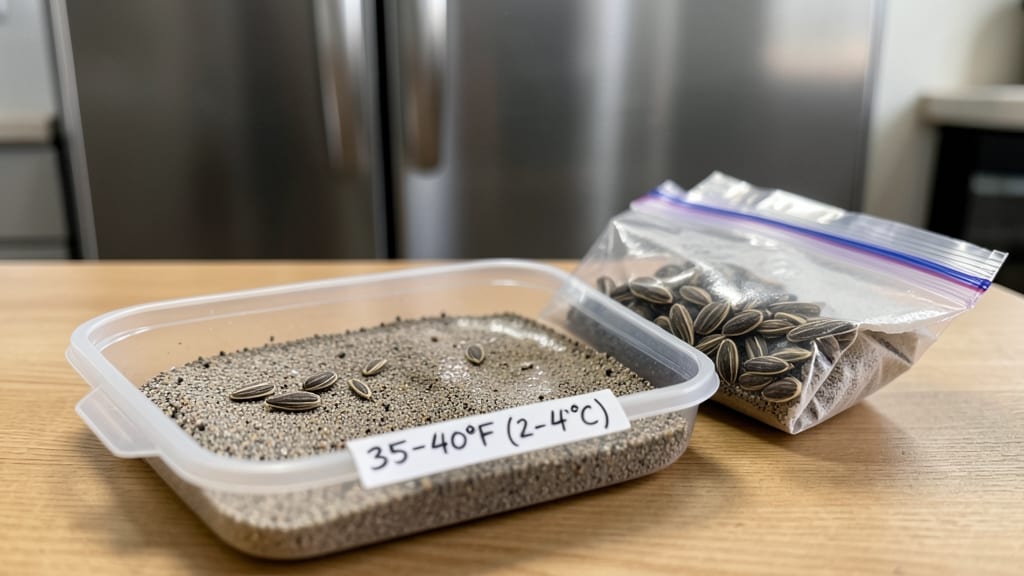
Sunflower seeds do not need cold stratification 🌻 — in fact, this chilling step can actually slow down or even prevent germination for most varieties.
Picture this: you’ve spent hours prepping your soil, picked out the brightest seeds, and then—nothing. Weeks pass, and your sunflower patch stays bare. The truth is, sunflowers thrive with warm soil and direct sunlight, not a fridge.
But here’s the catch: some hybrid or northern-grown seeds might benefit from a short chill, depending on your climate in USDA Zone 6a.
Instead of guessing, let’s cut to the chase: I’ll walk you through the fastest, foolproof methods to get those seeds sprouting—whether you skip stratification entirely or use it strategically. No more waiting months for a sunflower to peek through the soil.
You’ll learn how to time your planting for April-May (after last frost), the ideal soil temps for germination, and why soaking seeds overnight can work better than cold treatment. Ready to grow tall, happy sunflowers without the guesswork?
Understanding sunflower seed germination requirements: does cold stratification help?
If you've ever planted sunflower seeds hoping for towering 🌻 blooms but ended up with slow or spotty germination, you're not alone. The truth is, sunflower seeds rarely need cold stratification—a process where seeds are chilled to mimic winter conditions.
Unlike some wildflowers or trees, sunflowers thrive with warm soil temperatures and direct planting. But why do so many gardeners swear by pre-chilling?
Cold stratification is often recommended for seeds with hard seed coats or deep dormancy. While this works for lupines or some wildflowers, sunflower seeds typically sprout best when soil temperatures reach 70-90°F (21-32°C).
In fact, most commercial sunflower varieties are bred for quick, reliable germination without stratification. The key lies in understanding their natural preferences.
Here’s the science: Sunflower seeds contain abscisic acid, a natural growth inhibitor that helps seeds wait for ideal conditions. Warmth triggers enzymes to break this dormancy. Cold stratification can actually delay germination in sunflowers by prolonging this dormancy phase.
That said, there are exceptions—like heirloom varieties or seeds from northern climates—where stratification might help.
Let’s break down what sunflower seeds truly need for germination success. The table below compares their requirements to other common garden seeds, so you can see where sunflowers stand out.
| Seed Type | Cold Stratification Needed? | Ideal Soil Temp (°F) | Germination Time | Best Planting Time |
|---|---|---|---|---|
| Sunflower (Commercial) | No | 70–90°F (21–32°C) | 7–14 days | After last frost |
| Sunflower (Heirloom/Northern) | Maybe (1–2 weeks) | 60–80°F (15–27°C) | 10–21 days | Early spring or fall |
| Tomato | No | 70–85°F (21–29°C) | 5–10 days | Indoors 6–8 weeks before last frost |
| Lupine (Wildflower) | Yes (4–8 weeks) | 60–75°F (15–24°C) | 14–30 days | Fall or early spring |
| Pea | No (some benefit from light) | 60–75°F (15–24°C) | 7–14 days | Early spring or fall |
As you can see, most sunflower seeds—especially commercial varieties—don’t require stratification. In fact, planting them directly into warm soil after the last frost yields the fastest results.
The exception? Seeds from cooler climates or older heirloom varieties might benefit from a short 1–2 week chill to break dormancy. But even then, it’s not always necessary.
Moisture is another critical factor. Sunflower seeds need consistent moisture to germinate, but they hate soggy soil. Plant them 1 inch deep in well-draining soil and keep the surface lightly moist until sprouts appear.
Overwatering can lead to rot or fungal issues, which is why many gardeners use a seed-starting mix with perlite for better drainage.
Light also plays a role. Unlike some seeds that prefer darkness, sunflower seeds don’t need light to germinate. In fact, they’ll sprout just fine in the dark soil. However, once they break the surface, they’ll reach for sunlight immediately.
This is why planting them in a sunny garden bed or under grow lights (if starting indoors) is essential for strong, healthy seedlings.
If you’re still hesitant about skipping stratification, consider this: Many gardeners in USDA Zones 5–7 plant sunflower seeds directly in late spring without any pre-chilling and achieve 90%+ germination rates. The secret? Warm soil, consistent moisture, and patience.
In my own garden, I’ve found that sunflowers sown in May (when soil temps hit 75°F+) sprout within 7–10 days, while those planted in April (cooler soil) take 2–3 weeks.
For those in northern climates or high-altitude areas, a short stratification period (like 1–2 weeks in the fridge) might help, but it’s not a magic fix. The real game-changer is soil temperature. Use a soil thermometer to monitor conditions—aim for at least 60°F (15°C) for reliable germination.
If your soil is too cold, consider using a black plastic mulch or a heat mat to warm it up before planting.
Remember, sunflowers are fast growers once they sprout. Focusing on their natural preferences—warm soil,
When and how to use cold stratification for sunflower seeds (if at all)
Sunflower seeds are famously easy to grow—just plant them in warm soil, and they sprout reliably. But if you're in a northern climate or growing hybrid varieties, you might wonder whether cold stratification could give them a head start.
The short answer? Probably not. Sunflowers rarely need this chilling process, but there are exceptions worth exploring.
Most sunflower seeds germinate best in warm soil (60-70°F), not cold. Cold stratification—soaking seeds in water and refrigerating them—is more common for wildflower mixes or seeds with hard coats. For sunflowers, this step is often unnecessary and can even slow germination if overdone.
⚠️ callout-warning
Cold stratification can damage sunflower seeds if extended beyond 2-4 weeks. Signs of over-stratification include mold growth or seeds turning mushy. Stick to short chilling periods only for hybrid varieties or northern climates where soil warms slowly.
That said, if you're planting in early spring when soil is still cool, a 2-week cold treatment might help break dormancy in slow-starting hybrids. Place seeds in a damp paper towel, seal in a plastic bag, and refrigerate at 34-40°F.
Check weekly for sprouting—if nothing happens after 14 days, skip stratification and plant directly.
For most gardeners, the best approach is direct sowing after the last frost. Sunflowers thrive in warm, loose soil, so focus on planting depth (1 inch deep) and consistent moisture.
If your climate is Zone 3-5, start seeds indoors 4-6 weeks early with a heat mat instead of refrigerating them.
If you do try cold stratification, monitor seeds closely. Mold or rot are red flags—remove affected seeds immediately. For organic gardeners, use unbleached paper towels and distilled water to avoid contaminants. Remember, sunflowers are fast growers; even a few extra days in the fridge can set them back.
Instead of cold stratification, boost germination by soaking seeds overnight in warm water or using a seedling heat mat. These methods mimic natural conditions without the risks. For northern gardeners, plant in black plastic mulch to warm the soil faster—a proven alternative to chilling seeds.