
Flowers
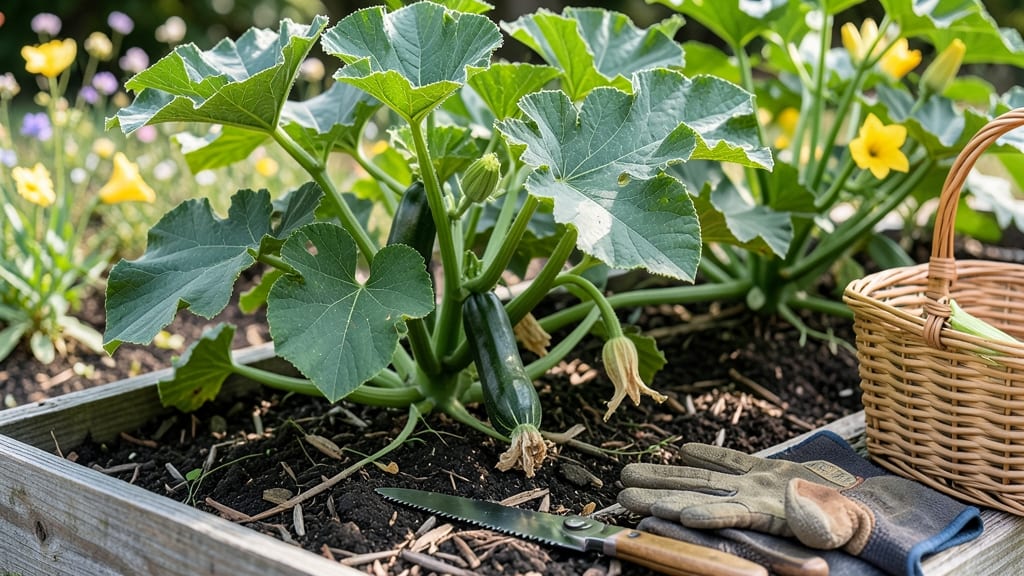
Picking zucchini when the flower falls off is the classic rule, but there’s more to it than just watching petals drop—especially if you want squash that’s sweet, tender, and packed with flavor.
Here’s the truth: that flower might be gone, but your zucchini could still be underripe or already past its prime. The real secret lies in combining the flower-fall clue with size, skin texture, and stem checks—because harvesting at the wrong moment means bitter, seedy, or woody fruit.
In this guide, I’ll walk you through the exact ripeness tests to nail your harvest timing, how to pick zucchini properly (and why it matters), and what happens if you wait too long—plus how to salvage overripe squash before it’s too late.
Whether you’re a first-time grower or a seasoned gardener, these tips will turn your zucchini harvest from hit-or-miss to consistent, delicious, and abundant all summer long.
When to harvest zucchini: the flower-fall rule and beyond
You’ve probably heard the classic advice: "Pick zucchini when the flower falls off." But here’s the truth—this flower-drop rule is only part of the story. While it’s a useful general guideline, relying solely on it can lead to underripe or overripe squash.
The key to peak flavor and continuous yield lies in combining multiple ripeness cues, including size, skin texture, and stem tests.
The flower-fall method works because zucchini stops growing after pollination. However, by the time the flower drops, the fruit may already be slightly past its prime harvest window. This means you could miss the sweetest, tenderest stage—when the flesh is thin-walled and seedless.
Understanding the full ripeness spectrum ensures you harvest at the exact moment for best taste and texture.
Let’s debunk the myth and explore the science-backed signs of optimal harvest time. From size benchmarks to skin firmness tests, these cues will transform your zucchini harvest from hit-or-miss to consistently perfect.
Whether you’re a beginner gardener or a seasoned pro, mastering these techniques will maximize your yield and flavor.
The flower-fall rule is just the first step in a multi-step ripeness evaluation. For example, a 6-inch zucchini with a dropped flower might still be underripe if its skin feels hard or its stem resists detachment.
Conversely, an 8-inch zucchini with a fallen flower could already be seedy and bitter if left unchecked.
Timing your harvest correctly isn’t just about flavor—it’s also about encouraging more production. Zucchini plants produce continuously when you harvest regularly. If you wait too long, the plant’s energy shifts from producing new flowers to developing seeds in the existing fruit.
This slows down your overall yield and can lead to overgrown, woody squash that’s nearly inedible.
Here’s my pro tip: Start checking zucchini for ripeness 2-3 days after the flower falls. This gives you a buffer to catch the sweet spot before the fruit becomes overripe.
Look for a smooth skin that’s firm but not hard, and a stem that snaps (not tears) when you bend it gently. These physical cues are more reliable than the flower-drop method alone.
Another common mistake? Harvesting in the heat of the day. Zucchini can wilts slightly under midday sun, making them feel softer than they are. Instead, pick in the morning when the fruit is cool and firm.
This ensures you’re judging ripeness accurately and avoids premature harvesting based on temporary temperature-induced softness.
Let’s talk about variety differences. Some zucchini types, like ‘Black Beauty’, are best harvested at 7-8 inches, while others, such as ‘Eight Ball’, peak at 4-6 inches.
Always check your seed packet or plant tag for specific size recommendations. Even within the same variety, early-season zucchini may mature faster than late-season ones, so adjust your harvest schedule accordingly.
Finally, remember that consistency is key. The more frequently you harvest ripe zucchini, the more your plant will produce. Think of it like pruning a bush—removing the "fruit" (so to speak) encourages new growth. By combining the flower-fall rule with size, skin, and stem tests,
Zucchini ripeness checklist: 5 key tests to avoid overripe or underripe squash
Harvesting zucchini at the perfect moment ensures tender flesh and sweet flavor. While the flower falling off is a common cue, it’s not foolproof. I’ve learned to trust a combination of 5 ripeness tests to guarantee the best harvest.
These simple checks will help you avoid both underripe squash (too tough) and overripe zucchini (bitter and seedy).
First, check the stem end color. A yellow stem end means the zucchini has stopped growing—this is ideal. If the stem end is still green, it’s not ready yet. This visual cue is my first go-to test because it’s quick and reliable.
Pair this with the size rule: aim for 6-8 inches long—any shorter and it’s underripe; any longer and it’s overripe.
DO Pick Zucchini When...
- 🟡 Stem end turns yellow (growth stops)
- 📏 Size is 6-8 inches (ideal for flavor)
- 🤏 Skin yields slightly (press with thumbnail)
- 🌱 Leaves are healthy (no yellowing or wilting)
- ⏰ Morning harvest (cooler temps preserve quality)
DON’T Pick Zucchini When...
- 🟢 Stem end is green (still growing)
- 📏 Smaller than 6 inches (hard and seedy)
- 🤏 Skin is rock-hard (underripe)
- 🌱 Leaves are yellowing (plant stress)
- 🌙 Afternoon heat (squash wilts faster)
Pro Tip: Use a sharp knife to cut zucchini from the vine—never twist or pull, which can damage the plant.
Next, press your thumbnail into the skin. The perfect zucchini should have slight give—like pressing a ripe avocado. If it’s rock-hard, it’s underripe; if it’s too soft or dented, it’s overripe.
This test is critical because it reveals the internal texture without cutting into the squash. I always test a few zucchini from different plants to ensure consistency.
Listen for the seed development sound. Tap the zucchini gently with your knuckles—if you hear a hollow or rattling sound, seeds are developing, and it’s time to harvest. Overripe zucchini will have large, mature seeds, which make the flesh bitter.
For the best flavor, harvest before seeds become noticeable. This test is especially useful for heirloom varieties, which can develop seeds faster.
Finally, check the weight. A ripe zucchini feels heavy for its size because it’s packed with water and nutrients. Lift a few candidates—if one feels significantly lighter, it’s likely underripe.
I’ve found that morning harvests yield the heaviest zucchini because cooler temps help them retain moisture. Weighing isn’t always practical, but this intuitive feel helps me spot the ripest squash quickly.
Mastering these 5 ripeness tests will transform your zucchini harvest from hit-or-miss to consistently perfect. Start with the stem color and size, then confirm with skin pressure, seed development, and weight.
The more you practice, the easier it becomes to pick zucchini at their peak—just in time for your favorite summer recipes! 🌱