
Flowers
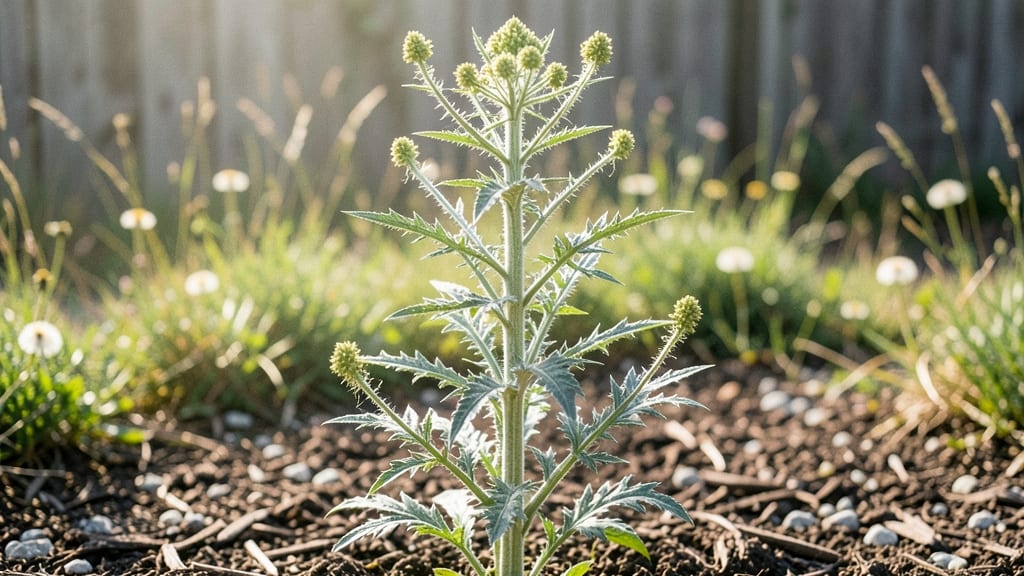
Ragweed does flower, and those tiny blooms are the reason your allergies might be acting up this season.
If you’ve ever wondered why summer and early fall feel like an endless sneeze fest, ragweed might be the culprit—its pollen is one of the most notorious allergens. But how long do those blooms last, and why does it matter?
The answer could change how you manage allergies this season, especially if you’re dealing with persistent itchy eyes or congestion.
These greenish-yellow flowers appear in late summer, typically around August, and can stick around until the first frost. Each plant produces thousands of pollen grains, which are carried by the wind and can travel miles.
That’s why even if you don’t see ragweed growing near you, you might still be affected.
In this guide, I’ll break down when ragweed flowers peak, how to spot them, and what you can do to reduce pollen exposure—whether you’re dealing with it in your garden or just trying to breathe easier outdoors.
Ragweed flowering cycle: when and how long blooms last
Yes, ragweed does flower, and those flowers are the main reason for its infamous allergy-triggering pollen. While ragweed flowers may look unassuming, they produce staggering amounts of pollen—up to 1 billion grains per plant each season.
The flowering cycle begins early in summer and can stretch into late fall, depending on your region.
Understanding this timeline helps you prepare for peak allergy seasons and take action to reduce exposure. Ragweed flowers are small, greenish, and clustered at the ends of stems, but their impact is anything but small.
Let’s break down when these flowers appear, how long they last, and what factors influence their bloom duration.
🌿 KEY FACT: Ragweed flowers are wind-pollinated, meaning they don’t rely on bees or butterflies. This makes their pollen spread effortlessly—and widely—across neighborhoods and gardens.
| Stage | Bloom Timeline | Pollen Production | Regional Variations |
|---|---|---|---|
| Emergence | Late June to early July | Low to moderate | Southern states: May-June |
| Peak Bloom | August to early September | Highest (1 billion grains/plant) | Northern states: July-August |
| Late Bloom | September to October | Moderate to low | Cooler climates: September-October |
| Seed Maturation | October to November | None (pollen production ends) | Frost-sensitive regions: Earlier |
In most of the U.S., ragweed flowers first appear in late June or early July, but the exact timing depends on your climate.
Warmer southern regions like Texas or Florida may see blooms as early as May, while cooler northern areas like Minnesota or Maine might not see them until July.
Peak flowering occurs in August and early September, which coincides with the worst allergy seasons for many people. This is when ragweed plants release the most pollen, often overwhelming even the most robust immune systems.
If you’ve ever wondered why allergies flare up in late summer, this is your answer.
Climate plays a huge role in how long ragweed blooms last. Warmer, drier conditions can extend the flowering season, while early frosts in northern regions may cut it short.
For example, in California’s Central Valley, blooms can last well into October, while in New England, they might taper off by early September.
Ragweed’s flowering cycle is closely tied to day length and temperature. As days grow shorter in late summer, the plant shifts its energy from pollen production to seed development.
By October, most ragweed plants have finished flowering, but their seeds can linger in the soil for years, ready to sprout in the next growing season.
If you’re dealing with ragweed in your garden, early intervention is key. Pulling plants before they flower can reduce pollen spread. Use gloves and a mask to avoid direct contact with the pollen, which can trigger allergic reactions even when the plant isn’t in full bloom.
For those with ragweed allergies, tracking local pollen forecasts and planning outdoor activities for days with lower pollen counts can make a big difference. Knowing the flowering cycle helps you stay ahead of allergy season and protect your health.
Next time you see ragweed in your yard, remember: those unassuming green flowers are the source of one of the most common allergens. Understanding their timeline gives you the power to manage exposure and keep your symptoms under control.
Pollen peak seasons: how ragweed flowers trigger allergies
Yes, ragweed absolutely flowers, and those flowers are the main reason allergies spike in late summer and fall. Each ragweed plant produces thousands of tiny, greenish flowers that release massive amounts of pollen—far more than many other weeds.
The flowering process directly fuels the allergy season, making understanding it key to managing symptoms.
Ragweed flowers are wind-pollinated, meaning they don’t need bees or butterflies to spread their pollen. Instead, they rely on breezes to carry microscopic grains up to 100 miles away.
This wind dispersal is why ragweed pollen can trigger reactions even if the plant itself isn’t nearby. The timing of these blooms aligns perfectly with peak allergy seasons.
- August–October is the peak flowering window for ragweed, coinciding with the worst allergy months.
- Each flower produces 1 billion pollen grains per plant—enough to fill a football field.
- Wind speeds of just 10 mph can carry pollen miles, explaining regional allergy outbreaks.
- Warmer, drier fall weather extends flowering, worsening allergy seasons.
- Pollen counts double on dry, windy days compared to humid or rainy ones.
The August–October window is when ragweed flowers reach their peak, releasing pollen in staggering quantities. A single plant can produce over 1 billion pollen grains during this time, and with millions of plants across North America, the cumulative effect is overwhelming for allergy sufferers.
This is why late summer and early fall often feel like a never-ending sneeze marathon.
Wind plays a critical role in spreading ragweed pollen. Unlike flowers that rely on insects, ragweed’s lightweight pollen grains are easily lifted by even gentle breezes. On dry, windy days, pollen counts can skyrocket, while rain or high humidity temporarily reduces airborne particles.
This explains why some years feel worse than others—climate conditions directly impact pollen dispersal.
Another factor is regional climate variations. In warmer areas, ragweed may start flowering earlier and continue later into fall, extending the allergy season. Conversely, cooler regions might see shorter but still intense pollen peaks.
Understanding these patterns helps allergy sufferers plan ahead, whether by adjusting outdoor activities or stocking up on medications.
If you’re prone to allergies, knowing when ragweed flowers peak can help you prepare strategically. Keep windows closed, use air purifiers, and monitor pollen forecasts during August through October.
Even small steps, like showering after outdoor time, can reduce pollen exposure significantly. The key is recognizing that ragweed’s flowering cycle directly fuels your allergy symptoms—and timing is everything.