
Shrubs
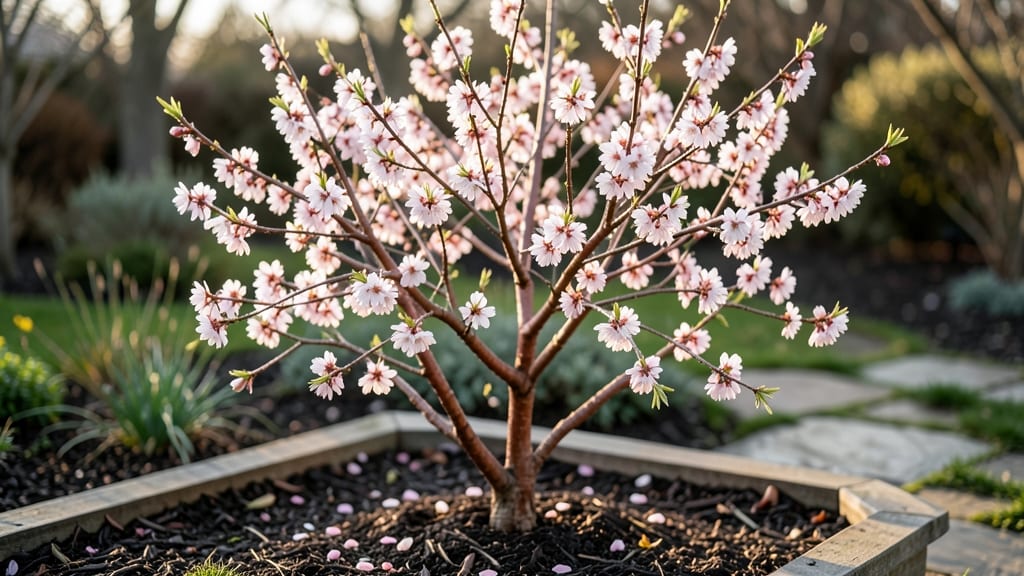
The size of a flowering almond tree 🌸 can transform your garden from a small urban space to a striking focal point—or keep it perfectly contained, depending on the variety you choose.
If you’re planning to grow a flowering almond but unsure how much space it’ll need—or how to control its size—you’re not alone. These trees can range from compact shrubs under 6 feet to towering giants over 12 feet, and their final height depends entirely on the type you plant.
For small gardens or urban yards, dwarf varieties like Prunus glandulosa stay under 6 feet tall, making them ideal for tight spaces. Meanwhile, standard types like Prunus triloba can reach 12 feet or more, requiring careful planning and pruning to fit your landscape.
In this guide, I’ll break down exact height ranges by variety, show you how to control growth with pruning, and help you pick the perfect size for your garden—whether you want a delicate accent or a bold statement piece.

Flowering almond tree height ranges by popular variety (with mature expectations)
Choosing a flowering almond tree means deciding between stunning spring blooms and managing its eventual size. Some varieties stay compact enough for small yards, while others grow tall enough to rival small trees. Understanding these height expectations helps you plan spacing and pruning strategies before planting.
Flowering almond trees (Prunus spp.) typically mature between 6 to 12 feet, but their final size varies dramatically by variety.
Dwarf types like Prunus glandulosa ‘Pink Perfection’ stay under 6 feet, while standard varieties like Prunus triloba ‘Royal Purple’ can reach 12 feet or taller with proper growing conditions.
The summary-table below breaks down mature heights for popular varieties, including pruning implications to keep them manageable. This helps you visualize how each type will fit in your landscape before committing to a purchase.
| Variety | Mature Height | Spread | Pruning Needs | Best For |
|---|---|---|---|---|
| Prunus triloba ‘Royal Purple’ | 8–12 ft | 6–8 ft | Regular pruning to control height | Large gardens, focal points |
| Prunus glandulosa ‘Pink Perfection’ | 4–6 ft | 4–5 ft | Minimal pruning; trim for shape | Small yards, containers |
| Prunus tenella ‘Dwarf Flowering Almond’ | 3–5 ft | 3–4 ft | Light pruning to encourage blooms | Urban spaces, patios |
| Prunus triloba ‘Snow Fountains’ | 6–8 ft | 5–7 ft | Prune after flowering to maintain shape | Medium gardens, borders |
| Prunus glandulosa ‘Variegata’ | 5–7 ft | 4–6 ft | Prune to remove dead wood | Accent plants, mixed borders |
If you’re working with limited space, dwarf varieties like Prunus tenella or Prunus glandulosa ‘Pink Perfection’ are ideal. These stay under 5 feet tall and thrive in containers, making them perfect for patios or small urban gardens.
Their compact size also means less pruning—just occasional trimming to shape them and remove dead branches.
For larger landscapes, standard varieties like Prunus triloba ‘Royal Purple’ offer dramatic height and abundant blooms. These can reach 12 feet or more, so plan for 8–10 feet of clearance above and around the tree. Pruning is essential to manage their size and encourage a fuller, bushier form.
Pruning strategies vary by variety. Dwarf types benefit from light pruning after flowering to maintain their shape, while taller varieties may need more aggressive pruning in late winter or early spring to control height. Always prune 1/3 of the new growth to encourage branching and more flowers next season.
Another factor to consider is growth rate. Faster-growing varieties like Prunus triloba can add 1–2 feet per year, while dwarf types grow more slowly (6–12 inches per year).
This affects how quickly you’ll need to prune or adjust your landscape plan to accommodate the tree’s expanding size.
For urban gardeners or those with tight spaces, container growing is a great option. Dwarf varieties thrive in 15–20 gallon pots, allowing you to move them to optimize sunlight or protect them from harsh winter winds.
Just ensure the container has drainage holes and use a well-draining potting mix to prevent root rot.
Before planting, check your US
How to control flowering almond size through pruning (step-by-step guide)
Pruning is the most effective way to manage the size of your flowering almond tree. Whether you want a compact shrub for small gardens or a taller specimen for focal points, strategic cuts will shape its growth.
The key is timing—prune at the right season and use the correct techniques to avoid stressing the tree or reducing next year’s blooms.
Young trees respond best to formative pruning early on, while mature trees need maintenance pruning to control height and shape. Always use sharp, sterilized pruners to prevent disease, and never remove more than 25% of the canopy in a single session.
For best results, combine pruning with proper seasonal care and watering practices.
- Step 1
- Step 2
- Step 3
- Step 4
- Step 5
- Step 6
To restrict vertical growth, focus on topping the central leader while promoting lateral branches. For a bushier shape, prune the top 1/3 of the tallest stems and remove any inward-growing branches.
Always step back after pruning to assess the tree’s balance and ensure it looks natural and harmonious.
Remember, flowering almond trees are resilient, but over-pruning can stress them. If you’re unsure, start with light pruning and observe how the tree responds before making more drastic changes. With patience and practice, you’ll achieve the perfect size and shape for your garden space.
For container-grown trees, prune more aggressively in early spring to keep them compact. Use dwarf varieties like Prunus glandulosa ‘Pink Perfection’ if space is limited—they naturally stay under 6 feet tall with minimal pruning.