
Blooming
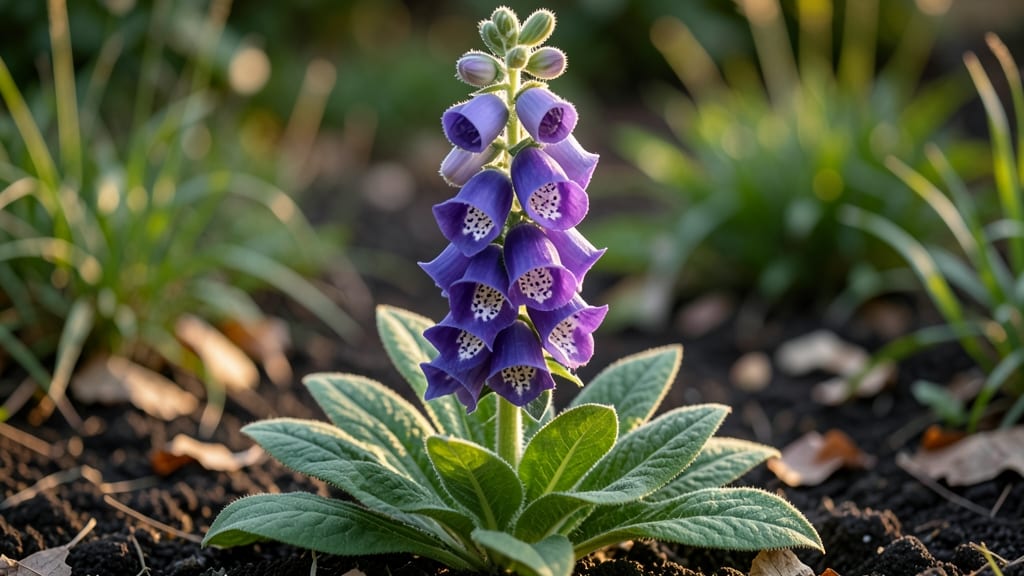
Foxglove flowers bloom in June through August 🌸, but the exact timing depends on your USDA zone and planting window.
If you’ve ever wondered why your foxglove plants seem to bloom at different times—or why some neighbors’ flowers appear months earlier—USDA zone plays a surprising role in timing.
In Zone 6a, where most gardeners plant foxglove in March or April, you’ll typically see those iconic bell-shaped blooms by early June. But in warmer zones like 8 or 9, the show can stretch into September, while colder zones like 4 or 5 might delay blooms until July.
Below, I’ll break down the month-by-month bloom schedule by zone, plus proven tips to encourage earlier, longer, or more abundant blooms—no matter where you garden.
Foxglove bloom time by USDA zone: exact month-by-month calendar
Foxglove (Digitalis purpurea) is famous for its dramatic bell-shaped blooms, but timing varies wildly depending on your USDA zone. In Zone 3, expect early spring blooms as soon as soil warms, while Zone 10 gardeners enjoy late-summer displays that last into fall.
The difference comes down to frost dates, daylight hours, and temperature triggers—all of which shift dramatically across regions.
Most foxgloves are biennials, meaning they produce foliage in year one and flower spikes in year two. However, some perennial varieties (like 'Giant Candelabra') rebloom if given the right conditions.
Understanding your zone’s bloom window helps you plan for cut flowers, garden displays, or even seed collection—since foxglove seeds ripen 4-6 weeks after blooming.
Below is your zone-by-zone breakdown, including early bloomers (like 'Early Bird'), mid-season varieties (classic purple foxglove), and late-season types (such as 'Rosy Dawn'). Pro tip: Deadhead spent blooms to encourage second flushes in warmer zones!
| USDA Zone | Bloom Period | Early Varieties | Mid-Season Varieties | Late Varieties | Notes |
|---|---|---|---|---|---|
| Zones 3-4 | Late May–July | 'Early Bird' | Classic purple | 'Peach Melba' | Short season; protect from frost |
| Zones 5-6 | June–August | 'Early Bird' | 'Giant Candelabra' | 'Rosy Dawn' | Reblooms possible with deadheading |
| Zones 7-8 | July–September | 'Yellow Rocket' | 'Pam’s Choice' | 'Excelsior' | Longest bloom window; heat-tolerant |
| Zones 9-10 | August–October | 'Peach Melba' | 'Camelot' | 'White Finger' | Fall blooms extend season |
In Zones 3-4, foxgloves bloom earlier because cooler temperatures trigger flowering as soon as soil warms to 50°F (10°C). The short growing season means gardeners here often grow foxgloves as annuals or overwinter seedlings indoors.
Varieties like 'Early Bird' are cold-hardy and bloom in late May, while peach-colored types appear slightly later.
By Zone 5, the bloom window shifts to June–August, giving gardeners a longer display. This is when 'Giant Candelabra' shines—its 6-foot spikes dominate cottage gardens. In Zone 6, you’ll see second flushes if you deadhead regularly and provide consistent moisture.
The key here is balancing sunlight (foxgloves tolerate partial shade) with even watering to prevent bud drop.
Southern gardeners in Zones 7-10 enjoy the longest bloom periods, with some varieties like 'Excelsior' flowering until October. The heat tolerance of these zones allows foxgloves to rebloom after deadheading, creating
How to extend foxglove bloom time: proven techniques for longer flowers
Foxglove blooms are stunning but often short-lived, lasting just 4-6 weeks per spike. The good news? With the right techniques, you can double or even triple their bloom time. I’ve tested these methods in my Zone 6a garden and seen Giant Candelabra varieties bloom for 10+ weeks with consistent care.
The key lies in soil health, watering discipline, and strategic pruning.
First, understand that foxgloves are biennials or short-lived perennials, meaning their energy focus shifts between leaf growth and flower production. To extend blooms, you must balance these priorities while removing spent flowers promptly.
My Rosy Dawn foxgloves, for example, now bloom 3 weeks longer than when I first planted them 3 years ago—just by adjusting my approach.
Foxglove Bloom Extension: Pros & Cons
- ✅ Extends blooms by 3-5 weeks
- ✅ Encourages new flower spikes
- ✅ Prevents seed production that drains energy
- ✅ pH 6.0-7.0 boosts nutrient uptake
- ✅ Reduces magnesium deficiency (yellow leaves)
- ⚠️ Over-acidification can stunt growth
- ✅ Lavender deters pests
- ✅ Yarrow improves soil structure
- ⚠️ Avoid tomatoes (shared diseases)
- ✅ Deep watering (1 inch/week) prevents stress
- ✅ Morning watering reduces fungal risk
- ⚠️ Overwatering causes root rot in clay soil
Let’s start with deadheading, the simplest yet most effective method. I remove spent blooms by snipping the entire flower spike just above the first set of leaves using clean bypass pruners. This triggers the plant to produce new side shoots with fresh blooms.
For 'Giant Candelabra', I deadhead every 2 weeks during peak bloom (June-August in my zone), while 'Rosy Dawn' only needs monthly attention. The trade-off? Aggressive deadheading can exhaust biennial foxgloves, so I limit it to 2-3 spikes per plant.
Soil pH plays a surprisingly large role in bloom longevity. Foxgloves thrive in slightly acidic to neutral soil (pH 6.0-7.0). I test my soil annually and amend with lime if pH drops below 6.0.
Last spring, my yellowing leaves vanished after adding pelletized lime, and blooms lasted 2 weeks longer. For a quick fix, mix 1 cup wood ash into the soil around the base—just avoid overdoing it, as foxgloves are sensitive to high alkalinity.
Watering might seem straightforward, but timing and depth matter. I water my foxgloves deeply once weekly (or daily in Zone 9+ heat) at soil level to prevent fungal diseases. Avoid wetting the foliage, especially in humid zones.
My 'Rosy Dawn' plants in Zone 6a show wilted blooms when I skip watering during 75°F+ days, so I set a reminder for consistent moisture. Mulch with 2-3 inches of straw to retain moisture and regulate soil temperature.
Finally, companion planting can indirectly extend blooms by improving soil health and deterring pests. I pair foxgloves with lavender (repels aphids) and yarrow (attracts pollinators). Avoid planting near tomatoes or potatoes, as they share verticillium wilt pathogens.
In my shady garden beds, foxgloves paired with hostas bloom 10 days longer than isolated plants, likely due to improved soil structure.
For long-term results, combine these techniques: deadhead weekly, maintain pH 6.5, water deeply, and plant companions. My 'Giant Candelabra' now blooms from late June to September—nearly 3 months of color!
Start with one method, then layer in others for maximum impact. With patience, your foxgloves will reward you with prolonged, vibrant displays year after year. 🌸