
Flowers
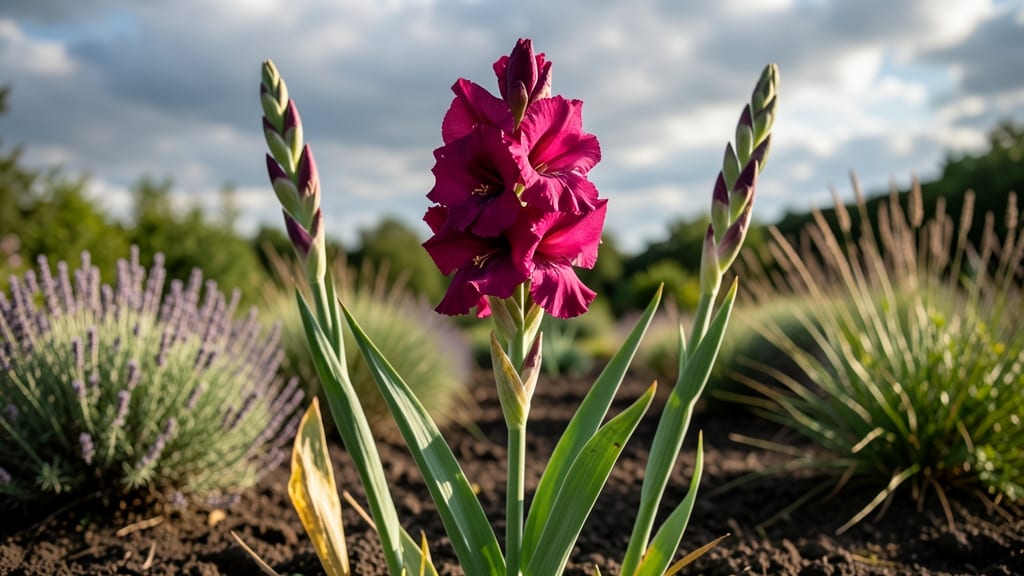
Gladiolus flower height can transform your garden from flat to fabulous, with some varieties stretching over 5 feet while others stay neatly under 2 feet.
Towering gladiolus blooms can add drama to any garden, but not all varieties reach the same heights—some dwarf types stay under 2 feet while others soar past 5 feet. Choosing the right height can transform your landscape from ordinary to breathtaking.
If you’ve ever planted gladiolus corms only to watch them flop or struggle to stand tall, you know how critical proper spacing and support are. The key lies in selecting the right variety for your space and giving them the right conditions to thrive.
In this guide, you’ll learn how to pick gladiolus varieties based on height, when to stake them for maximum impact, and how to create a stunning vertical display that draws the eye.

Gladiolus height variations by variety: from dwarf to giant blooms
If you've ever admired gladiolus blooms towering over your garden, you know their height can completely transform your landscape. The gladiolus flower height varies dramatically between varieties, ranging from compact dwarf types under 2 feet to giant bloomers reaching 5 feet or more.
Understanding these differences helps you plan stunning displays while avoiding overcrowding or flopping stems.
For gardeners with limited space, dwarf gladiolus varieties like 'Picasso' (3-4 ft) offer bold color without overwhelming smaller areas. Meanwhile, tall varieties such as 'Green Star' (4-5 ft) create dramatic vertical accents perfect for backyard focal points.
The key lies in selecting the right height for your design goals and providing proper planting spacing to support their growth.
Seasonal growth patterns also play a role in height development. Most gladiolus varieties grow rapidly during summer months, with stems elongating by 1-2 inches per week under ideal conditions. Early spring planting ensures they reach their full potential by late summer, while late plantings may result in shorter stems.
| Variety | Height Range | Ideal Spacing | Seasonal Notes |
|---|---|---|---|
| 'Picasso' | 3-4 ft | 6-8 inches apart | Fast grower; blooms early summer |
| 'Green Star' | 4-5 ft | 8-10 inches apart | Requires staking; late summer bloom |
| 'Black Star' | 3.5-4.5 ft | 7-9 inches apart | Mid-season bloomer; dramatic foliage |
| 'White Prosperity' | 2.5-3.5 ft | 5-7 inches apart | Compact; great for borders |
| 'Apriori' | 4.5-5.5 ft | 10-12 inches apart | Tallest variety; needs strong support |
The ideal planting spacing for gladiolus depends entirely on their mature height. Dwarf varieties like 'White Prosperity' (2.5-3.5 ft) can be planted just 5-7 inches apart, while towering types such as 'Apriori' (4.5-5.5 ft) need 10-12 inches to prevent overcrowding.
Proper spacing ensures each plant receives adequate sunlight and nutrients, which directly impacts stem strength and bloom size.
When planning your garden layout, consider pairing tall varieties with shorter perennials to create natural height transitions. For example, placing 'Green Star' (4-5 ft) behind daylilies or coneflowers (2-3 ft) creates visual depth.
Always plant taller gladiolus toward the back of borders and shorter types in foreground positions for balanced displays.
Seasonal growth patterns also influence height development. Most gladiolus varieties exhibit exponential growth during summer months, with stems elongating most rapidly between June and August.
Early spring planting (April) gives them the longest growing season, while late plantings (June) may result in stems that are 1-2 feet shorter than their potential.
For optimal height development, ensure your gladiolus receive full sun exposure (6+ hours daily) and well-draining soil rich in organic matter. Amend heavy clay soils with compost to prevent waterlogging, which can stunt growth.
Fertilize with a balanced 10-10-10 formula every 4-6 weeks during the growing season to support vigorous stem elongation.
If you're growing tall varieties like 'Green Star', consider installing support stakes or cages at planting time. This prevents stems from bending under their own weight, especially during heavy rain or wind.
For varieties under 3 feet, minimal support is usually sufficient, but even dwarf types benefit from light staking in windy locations.
Remember that gladiolus height can vary slightly each year based on growing conditions. In optimal years with perfect sunlight and moisture, you may see stems reach the upper end of their range.
However, stress factors like drought or poor soil can reduce height by 20-30%. Monitoring your plants' growth and adjusting care accordingly ensures they reach their full potential.
How gladiolus height affects garden design and spacing strategies
When planning your garden, the gladiolus flower height plays a crucial role in creating visual impact. Taller varieties like 'Green Star' (4-5 ft) make stunning backdrops, while dwarf types such as 'Picasso' (2-3 ft) work beautifully in borders.
The key is arranging them strategically to avoid overcrowding and maximize their vertical presence.
Proper spacing strategies prevent flopping stems and ensure each plant gets enough sunlight and nutrients. For standard-height gladiolus (3-5 ft), space them 6-8 inches apart in rows 12-18 inches apart. This creates airflow and reduces disease risk while allowing you to group taller varieties together for dramatic effect.
Gladiolus Height Design Tips
- Background Planting: Use tall varieties (4-5 ft) behind shrubs or perennials for vertical drama
- Mid-Height Grouping: Place 3-4 ft varieties in clusters of 3-5 plants for fullness
- Foreground Borders: Dwarf types (2 ft or less) work perfectly along walkways or garden edges
- Support Structures: Install bamboo stakes or pea stakes for varieties over 4 ft tall
- Companion Plants: Pair with grasses or ornamental onions to provide natural support
- Container Gardening: Use large pots (12"+ diameter) for single tall varieties as focal points
For a layered garden effect, I recommend planting your tallest varieties first, then mid-height types, and finally dwarf gladiolus in the front. This creates depth and draws the eye through your garden design.
Remember that gladiolus spacing should also account for their mature size - overcrowding leads to weak stems and poor blooms.
Another pro tip: Plant taller gladiolus varieties near fences or trellises where they can lean slightly without flopping. This creates a natural, cascading effect that adds movement to your garden. Just be sure to water at the base rather than overhead to keep stems strong and upright.
When arranging your gladiolus flower height strategically, consider color placement too. Taller varieties often stand out more, so use them to highlight key areas of your garden. For example, a 5-foot pink variety planted behind a dark green shrub will create a striking contrast that draws attention.
Finally, don't forget that gladiolus height affects maintenance too. Taller varieties may need occasional staking, while dwarf types require less support but benefit from regular deadheading to encourage more blooms. With the right arrangement, your gladiolus can become the star of your summer garden display! 🌸