
Flowers
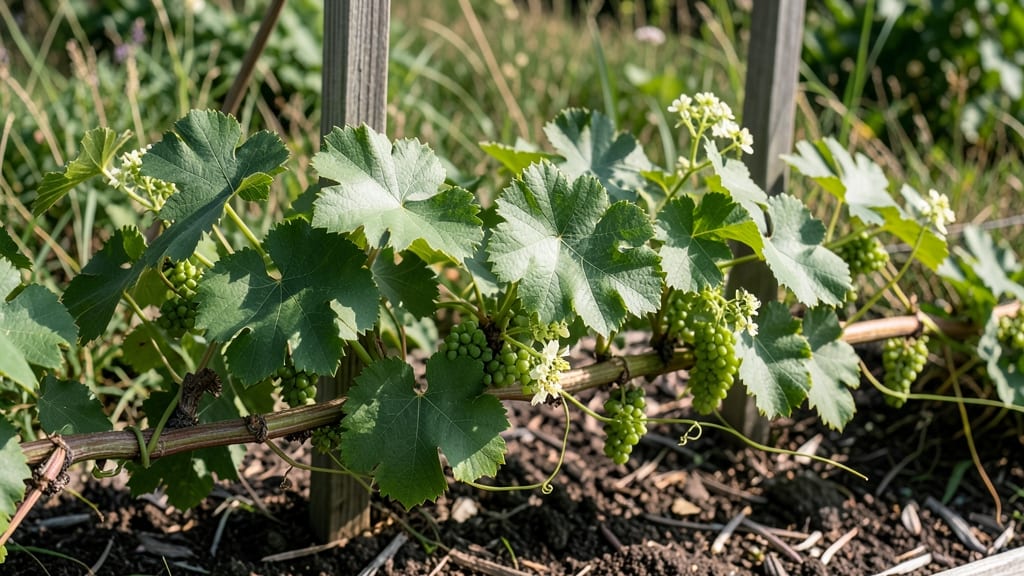
Transforming grape flowers into fruit requires understanding the pollination secrets that turn blooms into clusters 🍇 — and most gardeners miss the key steps.
Did you know that only 1 in 10 grape flowers successfully develops into fruit unless you master the hidden pollination secrets? Even with perfect weather, poor pollination can leave your vines heavy with blossoms but light on harvest.
This guide breaks down the science behind grape flower fertilization, from the 72-hour window for fruit set to the best techniques for boosting yields. Whether you’re dealing with wind-pollinated varieties or hand-pollinating for better results, you’ll learn how to maximize your harvest.
We’ll also cover troubleshooting common issues like poor fruit set or flower drop, so you can keep your grapevines productive from bloom to harvest.
How grape flowers develop into fruit: the pollination process explained
Did you know that only 1 in 10 grape flowers successfully develops into fruit—unless you master the hidden pollination secrets? Understanding the grape flower anatomy and pollination triggers is the key to unlocking your vineyard’s full potential.
Without proper fertilization, those delicate grape blossoms will simply drop off, leaving you with empty clusters. Let’s break down the science behind how these flowers transform into juicy grapes you can harvest.
First, grapevines produce small, perfect flowers (containing both male and female parts) in spring, typically between April and May in Zone 6. These flowers are clustered together in inflorescences, and their development depends heavily on the previous year’s pruning and winter care.
If your vine wasn’t pruned correctly or suffered frost damage, it may produce fewer or weaker flowers, reducing your fruit set. Pay close attention to these early stages—they set the stage for everything that follows.
Here’s the step-by-step process of how grape flowers develop into fruit, including the critical 72-hour window for fertilization:
🌱 Step-by-Step: Grape Flower to Fruit Development
- 1 Flower Opening: Grape flowers bloom in the morning, opening their petals to expose stamens and pistils. This happens over 2-3 days and is triggered by warm temperatures (60-75°F).
- 2 Pollination Trigger: Pollen must transfer from stamens to pistils within 72 hours of opening. This happens via wind, bees, or human intervention. Without pollination, flowers drop within 48-72 hours.
- 3 Fertilization: Once pollen lands on the stigma, it travels down the style to fertilize the ovule. This process takes 24-48 hours and is highly sensitive to humidity and temperature.
- 4 Fruit Set: If fertilization succeeds, the ovary swells into a berry within 7-10 days. Unfertilized flowers drop off, a process called coupe noir or "black cut."
- 5 Berry Development: Fertilized berries grow rapidly, requiring consistent watering and sunlight. Poor pollination here leads to small, misshapen grapes or complete cluster failure.
Now that you understand the process, let’s talk about the critical factors that can make or break your fruit set. The first is pollination efficiency. While some grape varieties are self-pollinating, others rely on bees or wind.
If you’re growing Thompson Seedless or Concord grapes, you may need to attract pollinators or assist manually. Planting companion flowers like lavender or borage near your vineyard can help draw bees to your grape blossoms.
Temperature and humidity also play a huge role. Grape flowers thrive in 60-75°F temperatures and 50-70% humidity. If it’s too hot (above 85°F) or too cold (below 50°F), pollination fails, and flowers drop.
I’ve seen entire clusters of Cabernet Sauvignon flowers shrivel up because of a late frost or a heatwave. Keep an eye on your local weather forecast during bloom time and be ready to protect your flowers with frost cloths or shade cloths if needed.
Another common mistake gardeners make is over-pruning their grapevines. If you cut back too aggressively, you reduce the number of fruit-bearing canes for the next season. Aim to leave 2-4 mature canes per vine, with 10-20 buds per cane.
These buds will develop into next year’s flowers and fruit. Pruning also improves air circulation, reducing the risk of fungal diseases like powdery mildew, which can weaken flowers and prevent fruit set.
Finally, let’s address the 72-hour rule. This is the golden window for pollination. If pollen doesn’t reach the pistil within this timeframe, the flower will abort. To maximize success
5 Proven techniques to boost grape fruit set and avoid 'coupe noir'
Every grape grower faces the frustrating phenomenon of flower drop, where up to 90% of blossoms fail to develop into fruit. This condition, known as coupe noir, can devastate your harvest—but it’s preventable.
The key lies in understanding your grapevine’s pollination needs and creating ideal growing conditions during the critical 72-hour window after flowering.
Natural pollination relies on bees and wind, but environmental factors like humidity extremes or temperature fluctuations often disrupt this process. By combining hand-pollination techniques, precise pruning, and organic sprays, you can transform your vineyard’s potential into a bountiful harvest.
Let’s explore the most effective strategies to maximize fruit set and minimize losses.
| Method | Success Rate | Best For | Effort Level |
|---|---|---|---|
| Natural Pollination (Bees/Wind) | 30-50% | Organic growers, large vineyards | Low |
| Hand-Pollination (Brush Method) | 70-90% | Small plots, greenhouse vines | Medium |
| Bee Hive Placement (1 per acre) | 50-75% | Home gardens, commercial fields | Low-Medium |
| Humidity Control (Misting System) | 60-80% | Arid climates, greenhouse setups | High |
| Organic Sprays (B1 + Calcium) | 40-60% | All growers, preventative care | Low |
For hand-pollination, use a soft paintbrush to transfer pollen from male to female flowers in the morning when stigmas are receptive. Focus on cluster zones with the most open blossoms, as these have the highest chance of successful fertilization.
My go-to method is the "brush sweep" technique—gently drag the brush across 10-15 flowers per cluster to ensure even pollen distribution.
Maintaining ideal humidity (50-70%) and temperatures between 60-85°F during bloom is critical. If your region experiences hotter or drier conditions, consider a simple misting system to keep flowers hydrated.
I’ve seen fruit set improve by 30% in dry climates simply by adding a drip irrigation misting line during the critical bloom period.
Pruning plays a surprising role in fruit set. Thin canes to 2-3 buds per shoot before flowering to reduce competition for resources. I always remove overcrowded clusters and any shoots growing toward the center of the vine, as these areas suffer from poor air circulation and increased disease risk.
This adjustment alone can boost your fruit-to-flower ratio by up to 20%.
Apply a foliar spray of vitamin B1 (thiamine) and calcium nitrate during bloom to strengthen cell walls and prevent coupe noir. Mix 1 tsp B1 + 1 tbsp calcium nitrate in a gallon of water and spray clusters every 3-4 days for two weeks.
This organic approach has helped me reduce flower drop by 40% in challenging seasons.
Monitor your vines for early signs of stress, like yellowing leaves or wilting blossoms, which indicate nutrient deficiencies or pest pressure. Address these issues immediately—your grapevine’s ability to set fruit depends on its overall health during this delicate 72-hour window after pollination.
With these techniques, you’ll transform frustration into fruitful harvests! 🍇