
Flowers
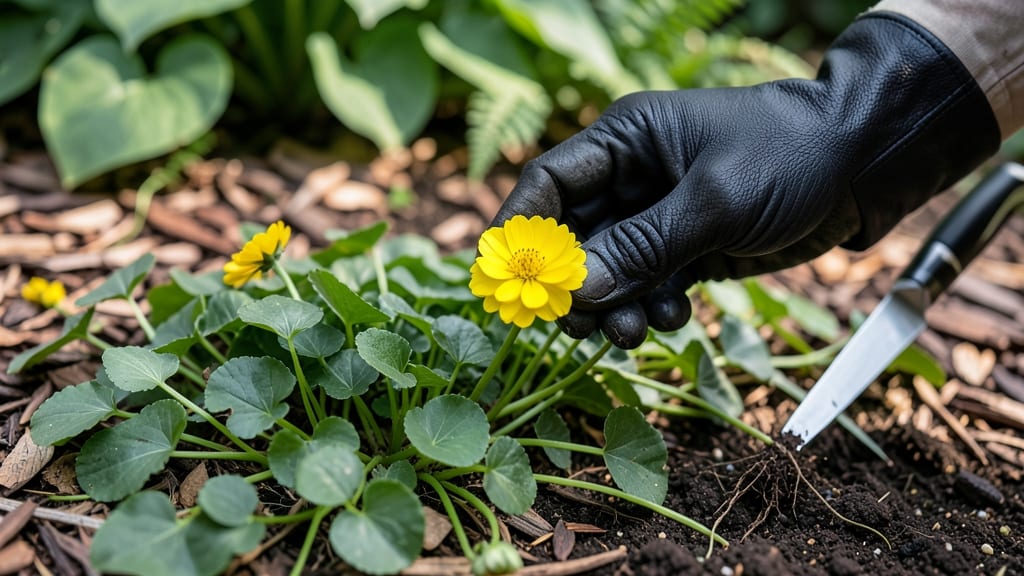
Yellow-flowered ground cover weeds can turn your garden into a patchwork of unwanted blooms before you know it.
Those bright yellow blooms spreading across your garden aren't always flowers from your prized plants—often, they're aggressive ground cover weeds like dandelions 🌼 or creeping buttercups that can choke out your desired vegetation if left unchecked.
Identifying these yellow-flowered intruders early is the key to protecting your garden's health without resorting to harsh chemicals.
If you've ever spent hours pulling weeds only to see them return with a vengeance, you know how frustrating it can be. The good news? With the right strategies, you can remove them effectively and prevent their spread for good.
In this guide, I'll walk you through how to spot these common weeds, the safest methods for removal, and even how to tell if those yellow flowers are actually beneficial plants you should keep instead.
Top 5 ground cover weeds with yellow flowers & how to spot them
Identifying yellow-flowered ground cover weeds early saves your garden from becoming overrun by unwanted plants. These five common offenders—creeping buttercup, dandelion, black medic, clover, and wild mustard—often mimic desirable flowers like goldenrod or coreopsis.
The key to control lies in recognizing their unique leaf patterns, growth habits, and bloom timing.
Unlike beneficial ground covers, these weeds spread aggressively through seed production or creeping stems. For example, creeping buttercup forms dense mats with lobed leaves, while dandelions send up tall, hollow stems topped with bright yellow blooms.
Each has distinct seasonal cycles—some bloom early spring, others persist into fall—making timing crucial for effective removal.
Here’s how to distinguish them from beneficial plants like creeping thyme or golden ragwort, which also feature yellow flowers but improve soil health. Pay attention to leaf shape, root structure, and how they spread—these details separate weeds from welcome additions to your garden ecosystem.
Pro Tip: Pull weeds when soil is moist (after rain) to avoid breaking off roots, which leads to regrowth. Always wear gloves—some, like wild mustard, can irritate skin.
| Weed Name | Leaf Pattern | Growth Habit | Bloom Time | Key Identifier |
|---|---|---|---|---|
| Creeping Buttercup | Deeply lobed, 3-5 leaflets | Creeping stems, forms mats | Early spring to fall | Bright yellow, cup-shaped flowers |
| Dandelion | Rosette of toothed leaves | Tall hollow stems, deep taproot | Spring to early fall | Single yellow flower per stem |
| Black Medic | 3 leaflets, clover-like | Low-growing, spreads via runners | Late spring to summer | Small yellow flower clusters |
| Clover (White Dutch) | 3 heart-shaped leaflets | Creeping, nitrogen-fixing | Spring to fall | White or pink flowers (not yellow) |
| Wild Mustard | Lance-shaped, alternate leaves | Tall, upright stems | Spring to summer | Cross-shaped yellow flowers |
Creeping buttercup stands out with its lobed leaves and cup-shaped flowers, often found in lawns and garden edges. Its orange-yellow sap can irritate skin, so handle with care. This weed thrives in partial shade but tolerates full sun, making it a persistent problem in underused garden corners.
Dandelions are unmistakable with their deep taproots and single yellow blooms that turn into fluffy seed heads. They prefer disturbed soil, so mulching prevents their seeds from germinating. Unlike beneficial plants like coreopsis, dandelions lack clumping habits and spread via wind-dispersed seeds.
Black medic resembles clover but produces smaller yellow flowers in clusters. Its creeping stems root at nodes, making it hard to eradicate once established. This weed improves soil nitrogen but competes with desired plants. Look for its three leaflets and hairy stems to confirm identification.
Wild mustard has cross-shaped yellow flowers and alternate leaves, resembling mustard greens. It grows quickly in cool seasons and drops seeds that sprout readily. Unlike beneficial plants, wild mustard lacks edible uses and spreads aggressively, often crowding out slower-growing perennials.
To avoid mistaking these weeds for goldenrod or coreopsis, note that beneficial plants have clumping growth and non-invasive roots. Goldenrod, for example, blooms in late summer with plume-like flowers, while coreopsis features daisy-like petals and thrives in dry soils.
Always check leaf arrangement and root structure for accurate identification.
Regular garden inspections—especially after rain—help catch these weeds early. Remove them before they set seed, and consider organic mulches like straw to suppress germination. With vigilance, you can reclaim your garden’s balance without harsh chemicals.
🌱
Safe & effective removal methods for yellow-flowered ground cover weeds
Once you've identified those pesky yellow-flowered ground cover weeds like dandelions or creeping buttercup, the next step is removal without harming your garden's ecosystem. My go-to methods focus on manual removal, natural herbicides, and preventative mulching—all while protecting your prized plants.
The key is acting quickly before these weeds spread their deep taproots and aggressive runners.
For small infestations, I recommend starting with hand-pulling on a dry, sunny day when the soil is loose. Always grab the entire root system—even a tiny fragment can regrow into a new plant.
Wear gloves to avoid skin irritation from sap, especially with wild mustard or black medic. Timing matters too; remove weeds before they go to seed in late spring to prevent next year's crop.
⚠️ callout-warning ⚠️
While vinegar-based herbicides (30% acetic acid) work well for yellow-flowered weeds, they can also damage nearby plants and disrupt soil microbes. Always:
- Apply only on sunny days (enhances effectiveness)
- Use a shield (cardboard) to protect desired plants
- Avoid organic mulch areas where vinegar may leach
For selective treatment, spot-treat with a dropper and reapply after rain.
For larger areas, I mix white vinegar (20% acidity) with dish soap (1 tsp per gallon) and a copper sulfate booster (1 tbsp) to enhance weed-killing power. Spray directly on leaves—avoid spraying desirable plants—and water the area afterward to rinse residual vinegar from the soil.
Repeat every 3-5 days until new growth stops, as multiple applications are often needed for deep-rooted weeds like dandelions.
Smothering weeds with cardboard or thick mulch is my favorite preventative method for garden beds. Lay down 3-4 layers of cardboard (no tape or staples) over the weed-infested area, then top with 4-6 inches of organic mulch like straw or wood chips.
This blocks sunlight, starving weeds of energy while improving soil health over time. Just ensure the mulch stays consistently moist to prevent gaps where weeds can sprout.
To prevent regrowth, focus on soil health—weeds thrive in compacted or nutrient-poor soil. I recommend aerating the soil with a garden fork and amending it with compost or well-rotted manure to encourage beneficial ground covers like clover or creeping thyme to outcompete weeds naturally.
Planting dense ground covers also reduces sunlight reaching weed seeds, making removal easier in the long run.
Finally, maintain a regular removal schedule: check garden beds weekly during spring and fall when weeds are most active. For stubborn weeds, I’ve had success with a flame weeder (for pathways) or a boiling water treatment (1 gallon per square foot) applied directly to the base.
Always follow up with mulch or seed to claim that space for your desired plants.