
Propagation
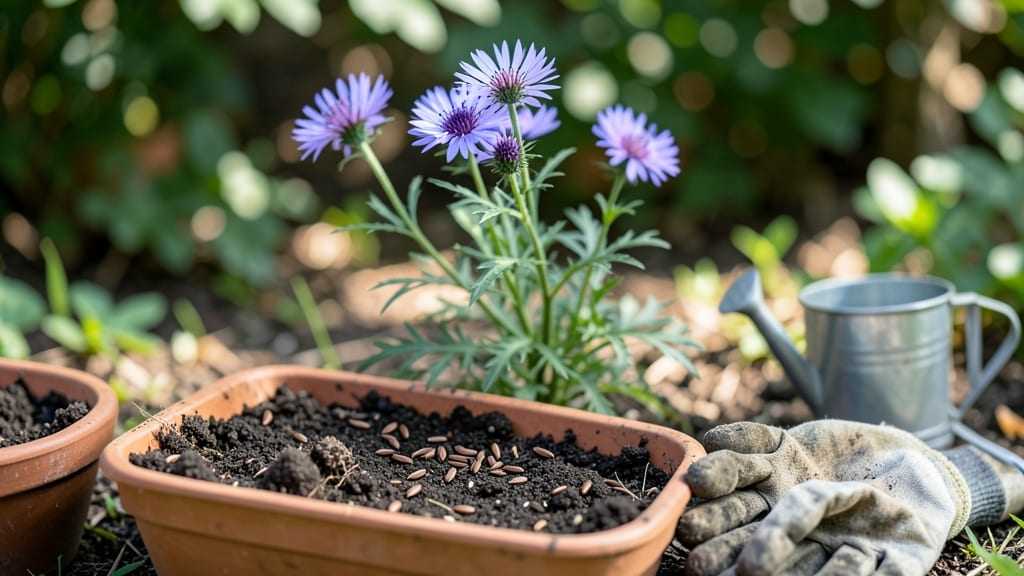
Growing cornflowers from seed takes about 60 to 90 days to reach full bloom, but the real magic happens in the first few weeks after planting.
If you’ve ever scattered seeds in early spring, only to wait weeks for those first tiny sprouts, you know the frustration of wondering, Will they ever grow? Cornflowers are resilient, but timing is everything—whether you’re impatient for color or just trying to plan your garden layout.
From the moment those seeds hit moist soil to the day vibrant 🌸 blooms dance in your garden, understanding each stage helps you troubleshoot delays and speed up the process. Light, soil warmth, and even a quick soak can shave days off germination, while cool nights might slow things down.
Below, I break down the exact timeline—from sprouting to those show-stopping flowers—plus the secrets to getting them to bloom faster. No more guessing, just a clear roadmap to a garden bursting with blue and purple cheer.

Cornflower germination timeline: from seed to sprout in weeks
Understanding the cornflower germination timeline is the first step to growing these stunning blue blooms successfully. From the moment you plant those tiny seeds, you can expect to see sprouts emerge within 5 to 14 days, depending on conditions.
This window might seem short, but several factors—like soil temperature, moisture, and seed quality—can shift your timeline earlier or later.
For consistent results, I recommend planting seeds in well-draining soil that’s warmed to at least 50°F (10°C). Cornflowers thrive in full sun (6+ hours daily), but even partial shade can slow down early growth. Let’s break down the stages and what you can do to encourage faster sprouting.
| Stage | Days to Complete | Key Actions | Ideal Conditions |
|---|---|---|---|
| Seed Planting | Day 0 | Sow seeds ¼ inch deep in loose soil | Soil temp: 50-70°F (10-21°C) |
| Germination Start | 5-7 days | Keep soil consistently moist (not soggy) | Bright light, 60-70% humidity |
| Sprout Emergence | 7-14 days | Thin seedlings to 12 inches apart | Full sun exposure after sprouting |
| First True Leaves | 14-21 days | Water at soil level (avoid wetting leaves) | Well-draining soil, pH 6.0-7.0 |
If you’re eager to see those first cornflower sprouts, try pre-soaking seeds in lukewarm water for 24 hours before planting. This can shave off 2-3 days from your germination timeline. Just be sure to plant them immediately after soaking—they’ll dry out quickly.
I’ve found that direct sowing outdoors after the last frost (around April 15 in most zones) gives the best results.
Temperature plays a huge role in how quickly seeds germinate. Ideal soil temperatures range from 50°F to 70°F (10°C to 21°C). If your soil is cooler than 50°F (10°C), germination can take up to 3 weeks.
To speed things up, use a seedling heat mat or plant in a south-facing location that warms faster. Avoid planting in shady spots—cornflowers need light to germinate efficiently.
One common mistake gardeners make is overwatering seeds. While keeping soil consistently moist is crucial, waterlogged soil can suffocate seeds and delay sprouting. I recommend using a spray bottle to mist the soil lightly every 2-3 days until you see sprouts.
Once they emerge, switch to watering at the soil level to prevent fungal diseases like damping off.
If your seeds haven’t sprouted after 2 weeks, don’t panic—just check a few key things. Are they still firm and plump? If not, they may have rotted. Try planting fresh seeds in a new spot with fresh soil.
Sometimes, old or stored seeds lose viability. For best results, use seeds that are less than 2 years old and store them in a cool, dry place before planting.
Once your cornflower seedlings emerge, they’ll grow quickly if given the right care. Within 3-4 weeks after sprouting, you’ll notice the first true leaves forming—these look different from the initial seed leaves and signal healthy growth.
At this stage, you can start thinning seedlings to give each plant 12-18 inches of space, which prevents overcrowding and encourages stronger stems.
For gardeners in cooler climates, consider starting seeds indoors 4-6 weeks before the last frost using grow lights. This gives seedlings a head start and ensures they’re ready to transplant outdoors as soon as conditions allow.
Just be sure to harden off seedlings by gradually exposing them to outdoor conditions over 5-7 days before planting.
With the right conditions, your cornflowers will reward you with vibrant blooms in as little as 8-10 weeks from seed. The key is patience and consistency—keep an eye on soil moisture, provide plenty of sunlight, and avoid overcrowding.
Soon, you’ll be enjoying a sea of blue that attracts pollinators and brightens up your garden! 🌸
Growth stages to full bloom: month-by-month development guide
Once your cornflower seeds sprout, the real magic begins! Understanding each growth stage helps you anticipate milestones and adjust care for faster, healthier blooms. From delicate seedlings to towering stems laden with vibrant flowers, here’s what to expect week by week.
In just 4-12 weeks, cornflowers go from tiny sprouts to show-stopping blooms—but only if they receive the right sunlight, water, and spacing. Skipping these factors can delay flowering by weeks, so let’s break down the journey to ensure your garden thrives.
- 1 Week 1-2: Seedlings emerge with 2-3 leaves; thin to 12" apart.
- 2 Week 3-4: Plants reach 6-8 inches tall; side shoots form.
- 3 Week 5-6: Bud formation begins; stems thicken for support.
- 4 Week 7-8: First blooms open; full sun accelerates flowering.
- 5 Week 9-12: Peak bloom; deadhead spent flowers for prolonged display.
At week 3-4, your cornflowers will stretch toward the sky, reaching 6-8 inches tall if given 6+ hours of sunlight daily. This is the perfect time to thin seedlings to 12 inches apart—crowding slows growth and weakens stems.
If you notice leggy seedlings, supplement with a grow light for 2-3 hours daily.
By week 5-6, you’ll spot the first buds forming along the stems. This is when watering consistency becomes critical—drought stress here can cause buds to drop. Aim for 1 inch of water weekly, delivered at the soil base to avoid wetting leaves (which invites fungal diseases).
When buds open in week 7-8, your hard work pays off with vibrant blue or purple blooms! To extend the season, deadhead spent flowers immediately. Cornflowers are self-seeding, so let a few old blooms stand if you want next year’s crop to pop up naturally.
With proper care, your cornflowers will reach their mature height of 2-4 feet by week 9-12, creating a stunning vertical display. At this stage, they’re drought-tolerant but still benefit from occasional deep watering during dry spells. Mulch around the base to retain moisture and suppress weeds.
🌸 Remember: Sunlight is the #1 factor for speedy blooms—cornflowers in partial shade may take 2-3 weeks longer to flower. If your garden is shady, consider growing them in containers near a south-facing window for maximum light exposure.