
Flowers
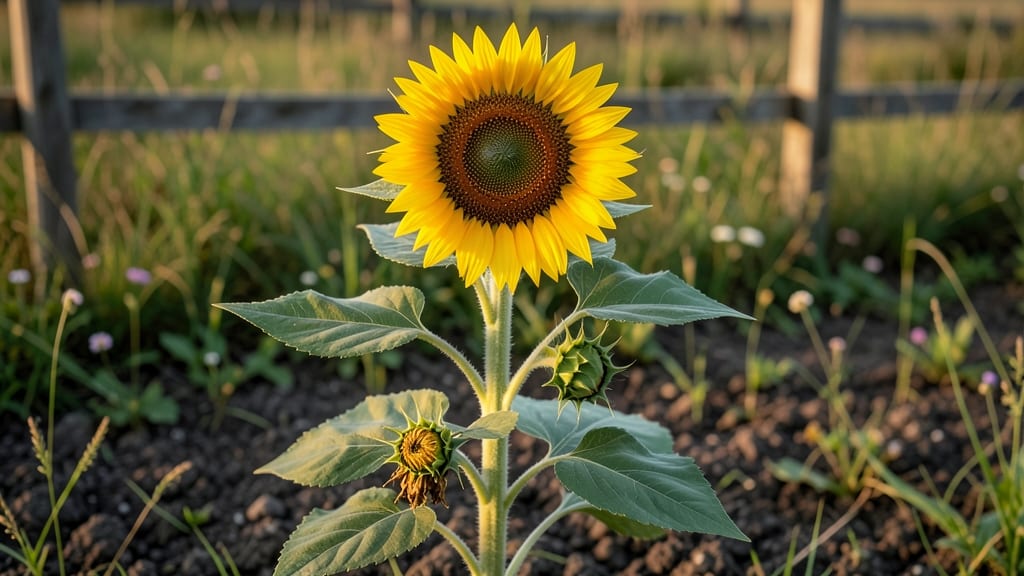
Sunflowers bloom for anywhere from a single day to three weeks, depending on the variety and your growing conditions — and yes, some even close up at night like shy little gardeners.
Picture this: you plant a row of towering 🌻 in your 6a zone, only to wake up the next morning and find half of them already drooping.
That’s the magic (and sometimes frustration) of sunflowers. But don’t worry — with the right care, you can turn those fleeting blooms into a longer-lasting garden show.
Annual sunflowers like Mammoth typically shine for 7-10 days, while dwarf varieties such as Teddy Bear might linger for two weeks or more. Perennials like Jerusalem artichokes can even rebloom if you give them the right conditions.
The key? Understanding your sunflower’s personality and how to keep it happy.
In this guide, I’ll break down exactly how long different types stay in bloom, share pro tips to extend their beauty, and reveal the common mistakes that cut their time short. Ready to make your sunflowers last?
Sunflower bloom duration by variety: from one-day wonders to month-long stars
Sunflowers captivate us with their vibrant faces, but their bloom duration varies wildly depending on the variety and growing conditions.
Some annual sunflowers like 'Autumn Beauty' dazzle for just one day, while perennials like Jerusalem artichoke (Helianthus tuberosus) can bloom for up to 8 weeks with proper care. Understanding these differences helps you choose the perfect sunflowers for your garden's timeline.
Most gardeners focus on annual sunflowers, which typically bloom for 1-3 weeks per stalk. However, dwarf varieties like 'Teddy Bear' often rebloom after deadheading, extending their display. Meanwhile, giant varieties such as 'Mammoth' may produce a single spectacular bloom that lasts 5-7 days before setting seed.
The key to maximizing bloom time lies in selecting the right variety for your goals.
🌻 Variety | Bloom Duration | Notes | --- | --- Annual (e.g., 'Autumn Beauty') | 1-3 days | Single bloom, dramatic but short-lived Dwarf (e.g., 'Teddy Bear') | 2-4 weeks | Reblooms with deadheading, compact Giant (e.g., 'Mammoth') | 5-7 days | Single large bloom, long stems Perennial (e.g., H. tuberosus) | 4-8 weeks | Tubers regrow yearly, multiple blooms Rare (e.g., 'Russian Giant') | 7-10 days | Tallest variety, late-season bloom
Why do some sunflowers close at night or in cold weather? This natural heliotropic response helps conserve energy. Young buds track the sun, but mature blooms often close when temperatures drop below 50°F or during overcast days.
Perennial sunflowers, however, adapt better to cooler climates and may continue blooming into early fall.
For gardeners in USDA Zones 3-8, choosing early-season varieties like 'ProCut' ensures blooms appear by mid-July, while late varieties like 'Italian White' extend the season until early October. The soil temperature at planting also affects bloom timing—warmer soil speeds up germination and flowering.
Did you know some sunflowers produce secondary blooms? Varieties like 'Sunspot' develop multiple smaller flowers along the stem after the primary bloom fades. This trait makes them ideal for cut flower arrangements that last weeks in a vase.
To encourage this, provide well-draining soil rich in phosphorus (use a 5-10-10 fertilizer).
The Jerusalem artichoke, a lesser-known perennial, stands out with its edible tubers and prolonged blooming. Its yellow-orange flowers appear in clusters from July through September, attracting pollinators. However, its aggressive root system requires containment—plant in raised beds if space is limited.
To create a continuous bloom display, stagger planting dates. Start with early varieties in late April, followed by mid-season types in early June, and finish with late varieties in mid-July. This strategy ensures fresh blooms every 2-3 weeks throughout the growing season.
Cold-hardy varieties like 'Sunrich Orange' thrive in northern climates and may rebloom the following year if left undisturbed. For container gardening, choose dwarf varieties in 10-gallon pots—they’ll bloom for 3-4 weeks with consistent morning watering and full sun exposure.
Remember: Deadheading (removing faded blooms) isn’t just for roses—it extends the bloom cycle for many sunflowers by redirecting energy to new flower production. For varieties like 'Moulin Rouge', this simple step can add 2-3 extra weeks of color to your garden.
How to extend sunflower bloom time: pro tips for gardeners
Sunflowers may seem like they bloom forever, but their peak flowering period can vary dramatically—from just one glorious day to weeks of vibrant color. The key to extending their show lies in proactive care and understanding their unique needs.
Whether you're growing Mammoth varieties or dwarf Teddy Bears, these strategies will keep your garden glowing longer.
First, let's address the natural bloom cycle of sunflowers. Most annual varieties follow a one-season bloom, while some perennials like Jerusalem artichokes can rebloom if conditions are right. The good news?
With the right techniques, you can double or even triple their flowering time. Start by focusing on soil health, watering consistency, and strategic pruning.
- 🌱 Deadhead regularly—Remove spent blooms daily to redirect energy to new buds. Use clean pruners to avoid disease.
- 💧 Water deeply at soil level (not leaves) every 2-3 days during peak bloom. Early morning is best.
- 🌿 Boost phosphorus with a 5-10-10 fertilizer when buds form. Avoid nitrogen—it promotes leafy growth, not flowers.
- ☀️ Plant marigolds nearby to deter pests like aphids and spider mites, which stress sunflowers and shorten blooms.
- ✂️ Prune leggy stems in early spring to encourage bushier growth and more blooms. Cut back by 1/3 for perennials.
Seasonal timing plays a huge role in bloom duration. For spring planting, sow seeds after the last frost when soil reaches 50°F. This ensures blooms appear by mid-summer when daylight is longest.
If you're planting for fall color, start seeds indoors 8-10 weeks before your first frost date. Fall sunflowers often bloom longer because cooler temps slow wilting.
Don't overlook the power of companion planting. Pair sunflowers with basil or nasturtiums to repel pests naturally. Avoid planting near potatoes or fennel, which can stunt growth.
Mulch with straw or wood chips to retain moisture and regulate soil temperature—both critical for prolonged blooming. A 2-3 inch layer keeps roots cool and reduces stress.
For perennial varieties, divide clumps every 3-4 years to rejuvenate growth. This simple step can revive blooming in older plants. If you notice buds drooping before opening, it’s often a sign of underwatering or root bound conditions. Adjust your care immediately to salvage the season.
With these techniques, you’ll transform your sunflowers from short-lived stars to season-long showstoppers. The secret? Consistency in care and a little extra attention to their unique needs. Happy gardening! 🌻