
How To
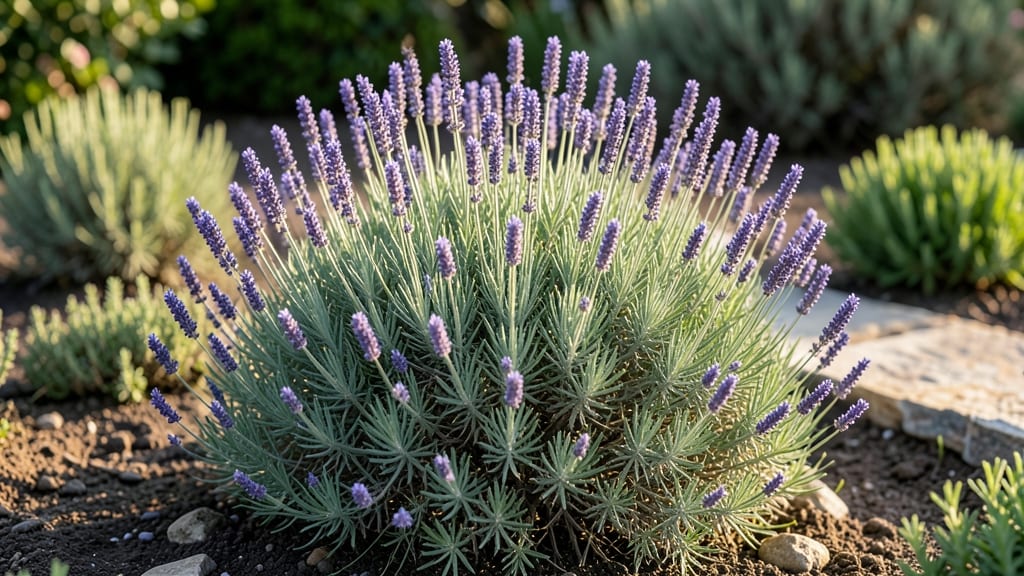
It takes lavender 90 to 180 days to flower from planting, but the exact timing depends on whether you start with seeds, cuttings, or nursery plants—and a few simple tricks can cut that window by half.
Picture this: you’ve just tucked in your 🌸 lavender plants in March or April, dreaming of fragrant purple blooms by summer. But if you’re staring at green stems with no sign of flowers by June, don’t panic—there’s a method to the madness.
Fast varieties like English lavender can bloom in as little as 90 days, while others need nearly a full year. The key? Planting at the right time, giving them full sun, and avoiding overwatering—mistakes that silently delay those prized blooms.
Below, I’ll break down the fastest ways to get your lavender flowering faster, from choosing the right variety to the one pruning hack that tricks plants into blooming earlier.
Lavender flowering timeline: fastest varieties and growth stages
If you're dreaming of fragrant lavender blooms this season, timing is everything. The fastest flowering lavender varieties can reward you with purple spikes in as little as 6 months, while others take nearly 2 years from seed.
The key lies in understanding each lavender type's growth stages and how your local climate affects development.
Not all lavender is created equal—English lavender (like 'Munstead') often blooms faster than Spanish lavender (like 'Papillon'), while French lavender (like 'Grosso') thrives in hotter climates.
Even the starting method (seed vs. cutting) changes your timeline dramatically. Let's break down the growth stages and flowering windows so you can plan for success.
🌱 Growth Stage 1: Germination (0-30 days) is where it all begins. Whether you're starting from seeds or cuttings, this stage sets the foundation. Seeds typically sprout in 14-30 days with consistent moisture and warmth, while cuttings root in 2-4 weeks. Cold climates may delay germination by 1-2 weeks compared to Mediterranean regions.
🌿 Growth Stage 2: Vegetative Growth (30-180 days) focuses on leaf and stem development. This is where your lavender builds its root system and woody structure. In ideal conditions (full sun, well-draining soil), you'll see visible growth every 2-4 weeks. Overwatering or poor soil can stall progress here, so let the soil dry between waterings.
Here’s a quick comparison of flowering timelines for the most popular lavender varieties, including how climate affects speed:
| Variety | Starting Method | Time to First Bloom | Climate Notes |
|---|---|---|---|
| English Lavender ('Munstead') | Seed | 12-18 months | Slower in cold climates; faster in USDA Zones 7-9 |
| English Lavender ('Hidcote') | Cutting | 6-12 months | Best in full sun; drought-tolerant |
| French Lavender ('Grosso') | Seed | 9-15 months | Fastest in hot, dry climates (Zones 8-10) |
| Spanish Lavender ('Papillon') | Cutting | 8-12 months | Thrives in heat; may bolt in cooler regions |
| Dwarf Lavender ('Loddon Pink') | Cutting | 5-8 months | Compact growth; ideal for containers |
🌸 Growth Stage 3: Flowering (Varies by Variety) is the payoff! Most lavender varieties bloom in late spring to early summer, but Spanish lavender often extends into fall. If you're growing 'Grosso' French lavender, expect heavier blooms in late summer when temperatures peak. Cool climates may delay flowering until June or July, while Mediterranean regions see blooms as early as May.
Did you know? Pruning after flowering encourages a second bloom cycle in some varieties like 'Hidcote'. Simply trim back 1/3 of the plant right after the first flush of flowers fades.
This trick can add 4-6 weeks of extra blooms in favorable climates. Just avoid pruning in fall or winter—this is when lavender needs to rest.
Your local climate plays a huge role in flowering speed. In USDA Zones 7-10, lavender often blooms 30-50% faster than in Zones 5-6.
If you live in a cooler region, opt for hardier varieties like 'Munstead' and plant in the warmest, sunniest spot possible. Southern gardeners can push blooms even earlier by planting in late winter and using mulch to retain heat.
One common misconception is that lavender always takes 2 years to flower
5 Proven planting tricks to make lavender flower faster
If you're eager to see your lavender bushes burst into fragrant purple blooms, timing and technique matter more than you might think. While most varieties take 90-180 days to flower from seed, strategic planting can cut that time by 30-50%.
The secret lies in mimicking lavender's natural Mediterranean habitat—well-draining soil, intense sunlight, and minimal interference. Let's dive into the five tricks that'll have your lavender flowering faster than ever.
First, let's address the planting window. For fastest results, plant your lavender cuttings or young plants in early spring, 4-6 weeks before your last frost date. This gives roots ample time to establish before summer heat arrives.
If you're starting from seed, sow them indoors in late winter (8-10 weeks before transplanting) to give them a head start. Spring-planted lavender typically flowers 4-6 weeks earlier than fall plantings.
🌱 Lavender Flowering Timeline Cheat Sheet
- Seed to First Bloom: 90-180 days (3-6 months) with ideal care
- Cuttings to First Bloom: 60-90 days (2-3 months) when rooted properly
- Spring-Planted: Flowers by mid-summer (June-July)
- Fall-Planted: Flowers next summer (delayed by 1-2 months)
- Fastest Variety: English Lavender ('Hidcote', 'Munstead') blooms in 60-75 days from cuttings
Now for the soil secrets that accelerate flowering. Lavender hates soggy roots, so amend your soil with gravel or coarse sand to improve drainage. Mix in composted bark or perlite for aeration. Aim for a pH of 6.5-7.5—test your soil and adjust with lime if needed.
Pro tip: Plant on a slight mound to prevent water pooling around the base. This simple trick can reduce flowering time by up to 3 weeks by keeping roots dry and oxygenated.
Sunlight is non-negotiable for fast-flowering lavender. Place your plants in a spot with 6-8 hours of direct sun daily. In hot climates, afternoon shade prevents stress, but morning sun is ideal. If growing in containers, use black pots to absorb heat and extend the growing season.
I've seen lavender in full sun bloom 4-6 weeks earlier than shade-grown plants. For container gardeners, rotate pots weekly to ensure even sun exposure.
Watering might seem counterintuitive, but lavender thrives on infrequent, deep watering. Water once every 10-14 days (more in extreme heat) and always in the morning to reduce evaporation.
The key is to soak the root zone until water runs out the bottom—this encourages deep root growth, which leads to faster flowering. Overwatering triggers root rot and delays blooms by 30-45 days, so resist the urge to water lightly every day.
Finally, pruning for speed is a game-changer. After your lavender blooms, trim back 1/3 of the growth to encourage bushier, more vigorous regrowth. In late winter, give it another light prune to remove dead wood. This rejuvenation trick can shave 2-3 weeks off next year's flowering time.
Avoid heavy pruning in the first year—let young plants establish their structure first. For established plants, a clean cut with sharp shears just above a leaf node promotes faster recovery and more abundant blooms.
With these five tricks—perfect planting timing, well-draining soil, maximum sunlight, smart watering, and strategic pruning—you'll see your lavender flowering 30-50% faster than average.
The best part? These methods also make your plants hardier and longer-lived, so you'll enjoy years of fragrant blooms. Happy gardening! 🌸