
Flowers
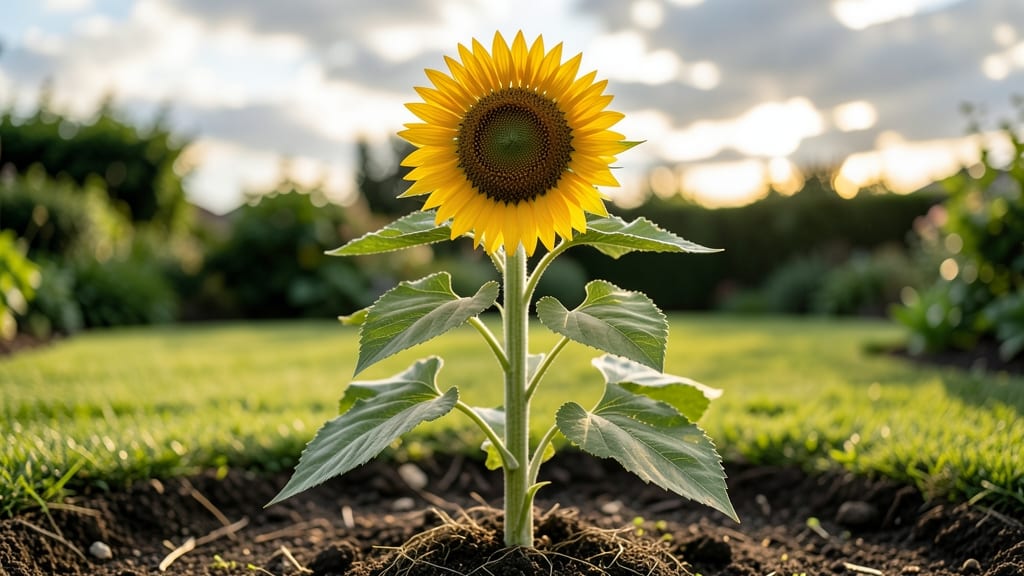
How much sun do sunflowers need to reach their towering potential and produce those iconic, cheerful blooms? Picture this: your sunflowers stretching toward the sky, their petals radiating warmth, only to wilt and droop when they don’t get enough light. That’s the difference between a thriving garden centerpiece and a sad, leggy disappointment.
Most gardeners assume full sun means all day, but the truth is more nuanced. Sunflowers thrive in bright, unfiltered light, but they’ll still grow—just smaller and slower—in partial shade. The key is watching their leaves: yellowing or pale green means they’re begging for more sun.
In this guide, I’ll break down exactly how much sunlight sunflowers need at each stage, how to spot sunlight deficiency early, and even which varieties tolerate less light. By the end, you’ll know how to give your sunflowers the perfect light prescription for bold blooms and sturdy stems.

Optimal sunlight hours for sunflowers: the science behind peak growth
Sunflowers thrive when basking in sunlight, but their needs change dramatically from seedling to mature plant. While they’re famously sun-loving, too little light stunts growth, and too much shade shrinks blooms and seed production.
Understanding these stages helps you grow sunflowers that reach their full potential—whether you’re cultivating towering giants or compact varieties.
The key to sunflower success lies in matching their sunlight needs to their growth phase. Seedlings need gentle protection from intense midday sun, while mature plants crave unfiltered sunlight to fuel their rapid vertical growth and energy-rich blooms.
Even a few hours less sunlight than ideal can lead to leggy stems and smaller flowers.
| Growth Stage | Sunlight Needs | Effects of Insufficient Sun | Ideal Location |
|---|---|---|---|
| Seedlings (0-2 weeks) | 4-6 hours (morning sun + afternoon shade) | Leggy, weak stems; slow germination | North side of garden or under 30% shade cloth |
| Vegetative (2-6 weeks) | 6-8 hours (full sun) | Stunted growth; pale leaves; fewer branches | South or west-facing beds |
| Flowering (6-12 weeks) | 8+ hours (full, direct sun) | Smaller blooms; poor seed development | Open, unobstructed areas |
| Seed Production (12+ weeks) | 6+ hours (full sun preferred) | Low seed yield; poor ripening | South-facing with afternoon breeze |
| Partial Shade Thresholds | |||
| Height Reduction | ≤6 hours/day | Up to 50% shorter stems | Urban balconies with east exposure |
| Bloom Size | ≤5 hours/day | 70% smaller flowers | North-facing containers |
Mature sunflowers demand 8+ hours of direct sunlight daily to reach their genetic height potential and produce abundant seeds. Studies show sunflowers grown with 6-8 hours of sunlight will still bloom but may produce flowers 30-50% smaller than their full-sun counterparts.
For example, a ‘Mammoth’ sunflower typically grows 12-16 feet tall in full sun but may only reach 6-8 feet with 6 hours of light.
Partial shade—defined as 3-6 hours of direct sunlight—can work for sunflowers, but expect trade-offs. Dwarf varieties like ‘Teddy Bear’ tolerate shade better than giants, but even they’ll produce fewer seeds.
In urban settings, east-facing balconies often provide 4-6 hours of morning sun, which is better than west-facing shade but still suboptimal for peak growth.
One common misconception is that sunflowers can thrive in partial shade if given extra water. While consistent moisture helps, it cannot compensate for insufficient sunlight. Overwatering shade-grown sunflowers actually worsens problems by diluting nutrients and encouraging fungal diseases like powdery mildew, which thrives in damp, low-light conditions.
To maximize sunflower performance, monitor their leaf color and growth rate. Healthy sunflowers develop deep green leaves that stand upright. If leaves turn yellow or stems elongate excessively, they’re signaling sunlight deficiency.
In these cases, consider transplanting to a sunnier spot or supplementing with a reflective surface (like white plastic sheeting) to bounce extra light onto the plants.
For container growers, south-facing windowsills provide the best sunlight, but even then, sunflowers may need supplemental grow lights to reach maturity. A 12-hour photoperiod (using LED grow lights) can extend the growing season by 2-3 weeks, especially in northern climates where daylight hours shorten in late summer.
In my own garden, I’ve found that ‘Autumn Beauty’ sunflowers—which naturally have shorter growing seasons—handle 6 hours of sunlight better than taller varieties. However, they still produce 20% fewer seeds
How to adjust sunflower care for different light conditions
Sunflowers thrive in full sun, but life happens—sometimes your garden space gets only partial shade. The key is adapting care to match your sunlight reality.
I’ve grown sunflowers in everything from urban balconies with afternoon shade to woodland edges, and here’s what I’ve learned to keep those cheerful faces smiling.
First, recognize that sunlight deficiency shows up fast: leggy stems, small blooms, and yellowing leaves. These signs mean your sunflowers are stretching toward the light like a sleepy cat.
The good news? With smart adjustments, you can still grow sunflowers—just expect shorter heights and smaller flowers in lower-light spots.
Sunflower Sunlight Needs: Pros & Cons
- ✅ Tallest stems (10+ ft)
- ✅ Largest blooms (12+ inches)
- ✅ Best seed production
🌻 Ideal for: Open gardens, raised beds, south-facing windows
- ⚠️ Shorter stems (3-6 ft)
- ⚠️ Smaller blooms (6-10 inches)
- ⚠️ Slower growth
🌳 Workarounds: Dwarf varieties, companion planting, soil amendments
- ❌ Leggy, weak stems
- ❌ Minimal blooms
- ❌ Prone to disease
🌿 Not recommended: Skip sunflowers; try shade-tolerant flowers instead
For partial shade, start with dwarf varieties like ‘Teddy Bear’ or ‘Moulin Rouge’—they max out at 3-4 feet tall but still produce vibrant blooms. Pair them with tall companion plants like corn or beans to create a natural sun canopy.
I’ve had great luck planting sunflowers on the north side of corn rows, where they get morning sun and afternoon shade.
Boost soil fertility with compost or aged manure to compensate for lower light. Sunflowers in shade need more nutrients to grow, so mix in a balanced fertilizer (10-10-10) at planting and again when flowers appear.
Avoid overwatering—partial shade slows evaporation, so let the soil dry slightly between waterings to prevent root rot.
Watch for sunlight deficiency early by checking leaf color: Pale green or yellowing means it’s time to move your sunflowers to a sunnier spot or supplement with a reflective surface (like a white board) to bounce extra light onto the plants.
If relocating isn’t an option, prune the top few leaves to encourage bushier growth and redirect energy to the flower head.
Remember, even in partial shade, sunflowers will still turn toward the sun—it’s their survival instinct! Embrace their quirks, and you’ll still get cheerful blooms, even if they’re not record-breakers. The key is patience and adaptation, not perfection. 🌻