
Plants
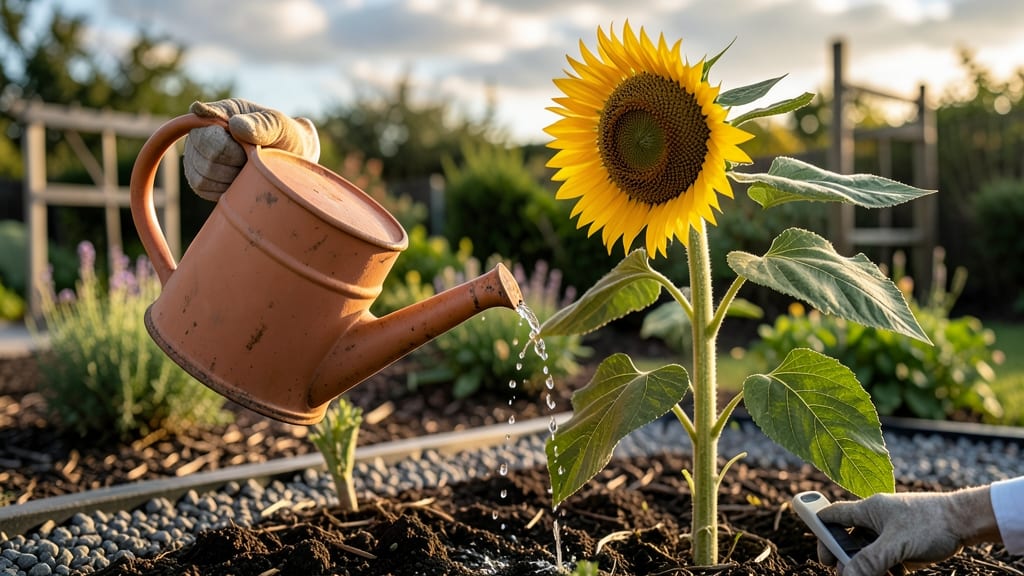
To keep your sunflower plant thriving, water it consistently every 3 to 5 days—but the real secret lies in checking the soil first, not just sticking to a schedule.
Sunflowers are nature’s cheerful giants—but their towering beauty demands the right care, especially when it comes to watering. Overdo it, and you risk root rot; underdo it, and your sunflower’s growth stalls.
Here’s how to strike the perfect balance using a simple soil check method that keeps your plants thriving from seedling to bloom.
Most gardeners make the mistake of watering on a fixed schedule, but sunflowers need deep soaks—not just a quick sprinkle. The key is to water early in the morning, letting the soil absorb moisture before the heat of the day.
In this guide, you’ll learn the exact soil check method to avoid overwatering or underwatering, plus how to adjust for your climate, soil type, and even your sunflower’s age. Let’s get those 🌻 roots happy!
Sunflower watering schedule by growth stage: seedlings vs. mature plants
Sunflowers 🌻 thrive when their watering needs match their growth stage. Seedlings need frequent, gentle hydration, while mature plants demand deep soaks less often. The key is understanding soil moisture targets and adjusting for heat waves or windy conditions.
Overwatering at any stage leads to root rot, while underwatering stunts growth—especially during the flowering phase.
Your sunflower’s watering schedule should shift as it grows. Germination requires consistent moisture, but once the plant reaches maturity, it becomes more drought-tolerant. The soil check method I’ll share later helps avoid guesswork. For now, let’s break down the ideal watering frequency for each stage.
| Growth Stage | Watering Frequency | Soil Moisture Target | Environmental Adjustments |
|---|---|---|---|
| Germination (0-7 days) | Daily, light misting | Keep soil damp (not soggy) | Cover seeds with humidity dome |
| Seedling (7-30 days) | Every 2-3 days, shallow water | Top 1-2 inches moist | Increase frequency in heat |
| Vegetative (30-60 days) | Every 3-4 days, deep water | Top 4-6 inches moist | Reduce in windy conditions |
| Flowering (60-90 days) | Every 5-7 days, deep soak | Top 6-8 inches moist | Increase in extreme heat |
| Maturity (90+ days) | Every 7-10 days, deep water | Top 8-10 inches moist | Reduce in drought |
During the germination stage, your soil should stay consistently damp but never waterlogged. Use a spray bottle for light misting to keep seeds from drying out. Once seedlings emerge, switch to shallow watering every 2-3 days, ensuring the top 1-2 inches of soil remain moist.
This prevents seedling stress while encouraging strong root development.
As your sunflower enters the vegetative stage (30-60 days), deep watering becomes crucial. Aim for every 3-4 days, soaking the soil to a depth of 4-6 inches.
This supports rapid stem growth and leaf expansion. If your area experiences high winds, reduce frequency slightly to prevent soil erosion around the roots.
The flowering phase (60-90 days) is when your sunflower’s water needs shift again. Deep watering every 5-7 days ensures the plant can support its heavy bloom.
Focus on keeping the top 6-8 inches of soil moist, as this is when the plant allocates energy to flower production. Extreme heat may require more frequent watering to prevent bud drop.
Once your sunflower reaches maturity (90+ days), it becomes more drought-tolerant but still needs deep watering every 7-10 days. The goal is to maintain moisture in the top 8-10 inches of soil.
During drought conditions, extend the interval to every 2 weeks, but always check soil moisture first to avoid stressing the plant.
Pro tip: Always water in the early morning to reduce evaporation and fungal risks. Avoid overhead watering during hot afternoons, as this can scorch leaves. Instead, use a soaker hose or drip irrigation to deliver water directly to the root zone.
Watch for signs of overwatering, like yellowing leaves or mushy stems, and adjust immediately. For underwatering, wilted leaves or dry soil cracks are clear signals to increase frequency. With this stage-specific approach, your sunflowers will grow tall, strong, and full of cheer! 🌻
The 3-Step soil check method to determine when sunflowers need water
Sunflowers thrive on consistency, but their watering needs change as they grow. A soil check method helps you avoid overwatering or underwatering—both of which can stunt your plants. Instead of relying on a rigid schedule, learn to read your soil's moisture signals.
This method works for all sunflower stages, from seedlings to towering mature plants, and adapts to your local climate and soil type.
Start by understanding your soil’s natural tendencies. Sandy soil drains quickly, while clay soil holds moisture longer. Even in the same region, these differences mean your watering frequency should shift. For example, clay soil may need watering every 5 days, while sandy soil might require daily checks.
The key is to adjust based on what your soil tells you, not a generic calendar.
- 1 Check soil moisture with your finger test: Insert 1-2 inches into the soil. If it feels dry, water deeply. For seedlings, the top inch should stay moist.
- 2 Observe visual cues: Wilting leaves or a soil surface cracking indicate thirst. Clay soil may show moisture longer, while sandy soil dries faster.
- 3 Adjust for weather and season: Water more frequently during heatwaves (every 2-3 days) and less in cool, rainy periods (every 7-10 days).
For young sunflowers, focus on keeping the soil evenly moist but not soggy. Stick your finger into the soil near the plant—if it feels dry just below the surface, it’s time to water. Mature sunflowers, however, are more drought-tolerant.
They can handle slightly drier soil, especially once their roots establish deep into the ground. In extreme heat, even mature plants may need extra water, so monitor their leaves for signs of stress.
Don’t forget to water deeply each time, aiming for 1-1.5 gallons per plant. Shallow watering encourages weak roots, while deep watering strengthens them. Use a drip irrigation system or water at the base of the plant to avoid wetting the leaves, which can lead to fungal diseases.
Early morning is the best time to water, as it allows foliage to dry out during the day, reducing the risk of mildew.
Pay attention to your local weather forecasts and adjust your watering routine accordingly. After a heavy rain, skip watering for a few days to avoid over-saturating the soil.
Conversely, during prolonged dry spells, increase your watering frequency. Mulching around your sunflowers can also help retain moisture and regulate soil temperature, making your watering tasks easier.
With this 3-step soil check method, you’ll develop an intuitive sense of when your sunflowers need water. Over time, you’ll notice subtle changes in your soil’s behavior and adjust your care routine accordingly.
Your sunflowers will reward you with vibrant blooms and robust growth, standing tall and proud in your garden. 🌻