
Flowers
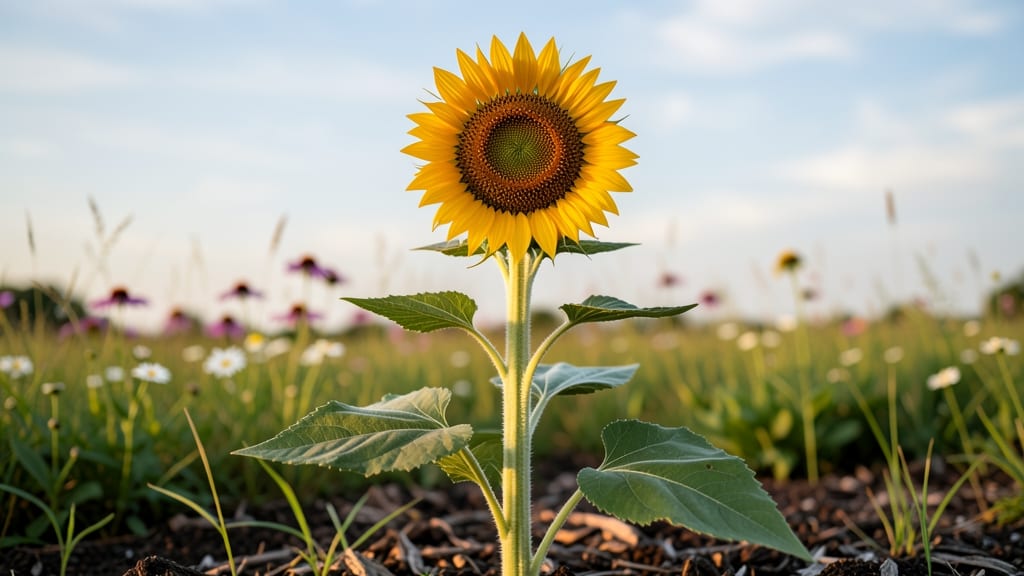
How tall are sunflowers? They grow to heights ranging from 1 foot to over 15 feet, depending on the variety and growing conditions 🌻 — dwarf types stay compact for containers, while giants stretch toward the sky like nature’s skyscrapers.
Picture this: a 3-foot-tall sunflower in a patio pot next to a 12-foot giant swaying in a field. That’s the same plant, just different varieties with wildly different space needs. Which one fits your garden?
Height isn’t just about show—it’s about sun exposure, soil depth, and even how you support them. A tall variety in poor soil might stay short, while a dwarf in rich soil could surprise you. I’ll break down the factors that make the difference.
You’ll also discover top sunflower varieties by height, staking tips for the towering types, and how to pick the perfect size for your space—whether that’s a balcony or a backyard.

Sunflower height ranges by variety: from dwarf to giant types
Sunflowers come in a stunning array of heights, from compact dwarf varieties perfect for containers to towering giants that reach skyscraper proportions. Understanding these height ranges helps you choose the right variety for your garden space, whether it's a tiny balcony or a sprawling field.
Let's explore the three main categories: dwarf, medium, and giant sunflowers, along with their ideal uses.
Dwarf sunflowers typically stay between 1 to 3 feet tall and are ideal for container gardening or small spaces. These varieties are perfect for urban gardens, patios, or even as bird feeders since their seeds remain accessible.
Medium-height sunflowers range from 3 to 6 feet tall, offering a balance between manageability and impact. They’re great for cut flowers and adding vertical interest to borders.
Giant sunflowers, on the other hand, can soar to 10 to 15 feet tall, making them a dramatic focal point in large gardens or fields. These varieties require ample space and often need staking or support to prevent toppling.
Their sheer height makes them perfect for creating natural privacy screens or adding grandeur to events like weddings or festivals.
Here’s a quick visual comparison to help you visualize these height ranges and choose the best fit for your garden:
| Variety Type | Height Range | Ideal Uses | Popular Examples |
|---|---|---|---|
| Dwarf | 1–3 ft | Containers, patios, bird feeders | 'Teddy Bear', 'Moulin Rouge' |
| Medium | 3–6 ft | Cut flowers, borders, small gardens | 'Autumn Beauty', 'ProCut' |
| Giant | 8–15 ft | Focal points, privacy screens, events | 'Russian Giant', 'Mammoth' |
For dwarf sunflowers, varieties like 'Teddy Bear' and 'Moulin Rouge' are excellent choices. These stay under 3 feet tall and produce abundant seeds, making them a favorite for bird feeders or small-space gardens.
Their compact size also makes them ideal for container gardening, where you can place them on decks, balconies, or even windowsills.
'Autumn Beauty' is a medium-height variety that typically reaches 4 to 5 feet tall. It’s prized for its cut flowers and long vase life, making it a staple in bouquets.
This variety thrives in well-drained soil and full sun, and its vibrant petals add a pop of color to any garden bed or border.
If you're dreaming of giant sunflowers, the 'Russian Giant' variety is a showstopper. It can grow up to 15 feet tall and is perfect for creating a dramatic backdrop or serving as a natural privacy screen.
Another standout is the 'Mammoth' variety, which often reaches 12 feet or taller and produces massive flower heads that attract pollinators and add vertical interest to any landscape.
When selecting sunflowers, consider not only their height but also their growth habits. Some varieties, like 'ProCut', are bred for cut flowers and have strong stems that stay upright with minimal support.
Others, like 'Autumn Beauty', may require staking to prevent them from toppling in windy conditions. Always check the specific care requirements for the variety you choose to ensure it thrives in your garden.
For container gardening, stick to dwarf varieties like 'Teddy Bear' or 'Little Becka', which stay under 2 feet tall. Use pots with drainage holes and a diameter of at least 12 inches to accommodate their root systems.
Medium-height varieties can also work in large containers, but ensure the pot is at least 18 inches wide to support their growth.
Giant sunflowers are best suited for large gardens or open fields where they have plenty of space to grow. Plant them at least 2 feet apart to give their roots room to spread and prevent competition for nutrients.
If you're growing them near pathways or high-traffic areas, consider adding support stakes early in their growth to keep them stable.
Whether you're a beginner gardener or a seasoned pro, choosing the right sunflower height can transform your garden into a stunning visual spectacle. From tiny containers to towering giants, there’s a sunflower variety to suit every space and style. Happy planting! 🌻
Factors that influence sunflower height: soil, sun, and spacing
Sunflowers are sun-loving giants, but their final height depends on more than just genetics. The right soil conditions, sunlight exposure, and proper spacing can push them toward their maximum potential, while neglecting these factors can leave them stunted and weak.
Even the tallest varieties like 'Mammoth' sunflowers (reaching 12-15 feet) need ideal growing conditions to thrive.
I’ve seen dwarf varieties like 'Teddy Bear' (3-4 feet) flourish in containers with minimal care, while giant sunflowers in my garden struggled to reach their full height due to poor soil drainage.
The difference? A few key adjustments made all the difference. Let’s break down what truly controls sunflower height and how you can optimize growth in your own garden.
⚠️ Common Mistakes That Stunt Sunflower Growth
Overcrowding (planting too close) competes for nutrients, reducing height by 30-50%. Poor drainage causes root rot, while inconsistent watering leads to weak stems. Even partial shade can shrink mature height by 2-4 feet in giant varieties.
First, soil quality is non-negotiable. Sunflowers crave well-draining, nutrient-rich soil with a pH between 6.0 and 7.5. Amend heavy clay soil with compost or sand to prevent waterlogging, which can stunt roots and limit height.
I once tested my garden soil and found it was too alkaline—adding sulfur and compost boosted my 'Russian Giant' sunflowers by nearly 3 feet in one season.
Next, sunlight exposure directly impacts stem strength and height. These plants need 6-8 hours of full sun daily—any less and you’ll see leggy, weak stems. In my Zone 6a garden, I positioned sunflowers in the south-facing bed where they received morning sun and afternoon shade in summer.
Even then, I noticed standard varieties grew 1-2 feet taller than those in partial shade.
Don’t overlook spacing requirements. Crowding stresses plants, diverting energy to leaf production instead of stem elongation. Follow these spacing guidelines: dwarf varieties (12-18 inches apart), medium types (18-24 inches), and giant sunflowers (24-36 inches).
I once planted 'Autumn Beauty' sunflowers too closely, and their height dropped from 10 feet to just 6 feet—hardly the dramatic backdrop I’d hoped for!
Finally, watering habits play a subtle but critical role. Deep, consistent watering (1-2 inches per week) encourages strong root development, while surface watering leads to shallow roots and weaker stems. I water mine in the early morning to reduce evaporation and fungal risks.
During peak summer heat, I’ve added mulch to retain moisture, which helped my 'ProCut' sunflowers maintain their 8-foot height despite drought conditions.
With the right conditions, you can coax even dwarf varieties to grow taller or push giant sunflowers toward their maximum height. Start with well-prepared soil, ensure full sun exposure, space them properly, and water deeply.
Your sunflowers will reward you with sturdy stems and show-stopping heights—just like the 14-foot giants in my backyard this summer! 🌻