
Size
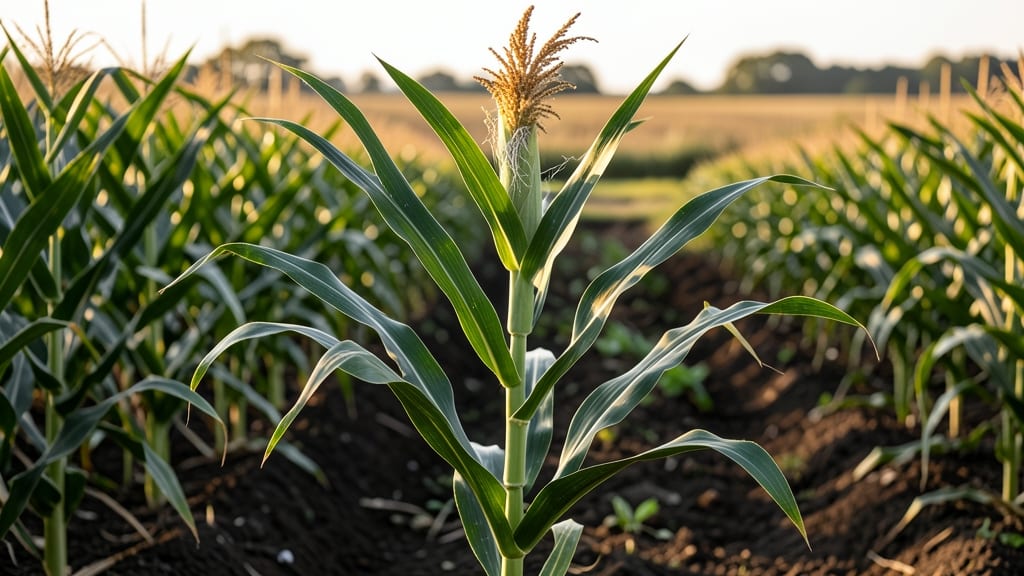
Corn plants can grow anywhere from 3 feet to over 12 feet tall, depending on the variety you choose and how you care for them 🌽 — and yes, that means some types will tower over you like a living skyscraper.
If you’ve ever wondered whether your backyard could grow corn tall enough to rival a skyscraper—or if you’re just curious about the wildest corn varieties—you’re in the right place.
Corn plants aren’t just a staple crop; they’re architectural marvels, with heights ranging from knee-high dwarfs to towering giants that reach higher than most people.
Most home gardeners grow standard sweet corn varieties, which typically reach 6 to 10 feet tall, perfect for a backyard plot. But if you’re after something dramatic, giant varieties like ‘Mammoth Melting’ can stretch up to 12 feet—or even higher with ideal conditions.
Meanwhile, dwarf corn stays compact at 3 to 5 feet, making it ideal for small spaces or containers.
In this guide, I’ll break down the height ranges of different corn types, the factors that influence how tall your stalks grow, and practical tips to help you choose—and grow—the perfect variety for your garden.
Whether you’re planning a corn maze or just want a few ears for the table, knowing your corn’s potential height is the first step to success.

Corn plant height ranges: from dwarf varieties to record-breaking giants
Corn plants are nature’s skyscrapers, with heights that can surprise even seasoned gardeners. Whether you’re dreaming of knee-high dwarf varieties for containers or 12-foot giants for dramatic backyard displays, understanding corn’s height spectrum is key to planning your garden layout.
The difference between these extremes often comes down to genetics, growing conditions, and the specific corn variety you choose.
From ornamental corn that adds texture to flower beds to field corn towering over corn mazes, each type offers unique height characteristics. Even within sweet corn varieties, you’ll find options ranging from 3-foot dwarfs to 10-foot monsters.
Let’s explore how these heights are determined and which varieties fit your space and goals.
Genetics play the biggest role in corn height, with some varieties bred specifically for compact growth or extraordinary stature. Environmental factors like sunlight exposure, soil fertility, and water availability can push plants toward their genetic potential—or hold them back. For example, a dwarf variety might only reach 4 feet in poor soil, while the same plant could hit 5 feet with ideal care.
The world record for tallest corn stands at a staggering 19.3 feet, achieved in 2011 by a field corn variety in Illinois. This record-breaking plant required ideal conditions: rich, well-drained soil, consistent watering, and full sun exposure.
While most gardeners won’t grow corn this tall, varieties like 'Mammoth Melting' can reach 10–12 feet with proper care.
For home gardeners, dwarf varieties like 'Tom Thumb' (3–4 feet) are perfect for containers or urban gardens with limited space. These compact plants mature quickly, making them ideal for small plots or even balcony gardening.
Meanwhile, standard varieties such as 'Silver Queen' (6–8 feet) strike a balance between yield and space, thriving in traditional backyard gardens.
If you’re aiming for dramatic height, giant sweet corn like 'Country Gentleman' or 'Illini Chief' can exceed 10 feet when given ample nutrients and space. These varieties are often grown as conversation pieces or for corn mazes, where their towering stature creates immersive
Factors that influence how tall your corn will grow (and how to maximize height)
Corn plants are like nature’s skyscrapers—some stay humble at 3 feet tall, while others shoot up to 12 feet or more. The difference? A mix of genetics, care, and environmental factors.
If you’re dreaming of cornstalks taller than your fence—or just want to maximize your harvest—understanding these factors is key. From nutrient-rich soil to proper sunlight exposure, every detail matters.
Let’s start with the biggest game-changer: soil quality. Corn is a heavy feeder, craving nitrogen, phosphorus, and potassium to fuel its rapid growth. Poor soil? Your corn will stay short and weak.
But with the right amendments—like compost or a balanced 10-10-10 fertilizer—you’ll see those stalks reaching for the sky. Don’t overlook pH levels either; corn thrives in slightly acidic soil (pH 6.0–6.8).
5 Pro Tips to Grow the Tallest Corn Possible
- 🌱 Amend your soil with compost or aged manure before planting to boost nutrients.
- ☀️ Ensure full sun exposure (6+ hours daily) to fuel rapid vertical growth.
- 💧 Water deeply 1-2 inches per week, focusing on the roots—not the leaves—to prevent disease.
- 🌿 Use trellises or stakes for tall varieties to support stalks and prevent lodging.
- ✂️ Remove succession weeds and thin seedlings to reduce competition for nutrients.
Sunlight is another non-negotiable. Corn needs 6–8+ hours of direct sun daily to grow tall and strong. Shade out your corn, and you’ll end up with leggy, weak stalks that barely reach your waist.
If your garden is shady, consider container growing near a south-facing window or fence. And don’t forget: morning sunlight is ideal—it reduces evaporation and fungal risks from damp leaves.
Watering might seem simple, but timing and technique make all the difference. Corn needs consistent moisture, especially during tasseling and ear development. Deep watering—1–2 inches per week—encourages roots to grow downward, stabilizing the plant.
Avoid overhead watering at night, as it promotes fungal diseases like leaf blight. A soaker hose or drip irrigation system keeps moisture where it counts: at the roots.
Spacing is often overlooked but critical for tall corn. Crowded plants compete for nutrients, stunting growth. Follow the 30-inch row spacing rule for most varieties, with 4–6 inches between plants.
For giant corn, like ‘Mammoth Melting’ or ‘Country Gentleman,’ give them extra room—36 inches between rows—to prevent lodging. And if you’re growing corn in raised beds, space plants 12–18 inches apart to maximize airflow and sunlight.
Finally, climate plays a role. Corn loves warm temperatures (70–85°F) and struggles in cool or frosty conditions. If you’re in a short-season zone, opt for early-maturing varieties like ‘Silver Queen’ or ‘Peaches and Cream.’ In hot climates, provide afternoon shade to prevent stress.
And remember: windbreaks can save your tall corn from snapping mid-season. With the right conditions, your corn could soon be the tallest talk of the neighborhood!