
Trees
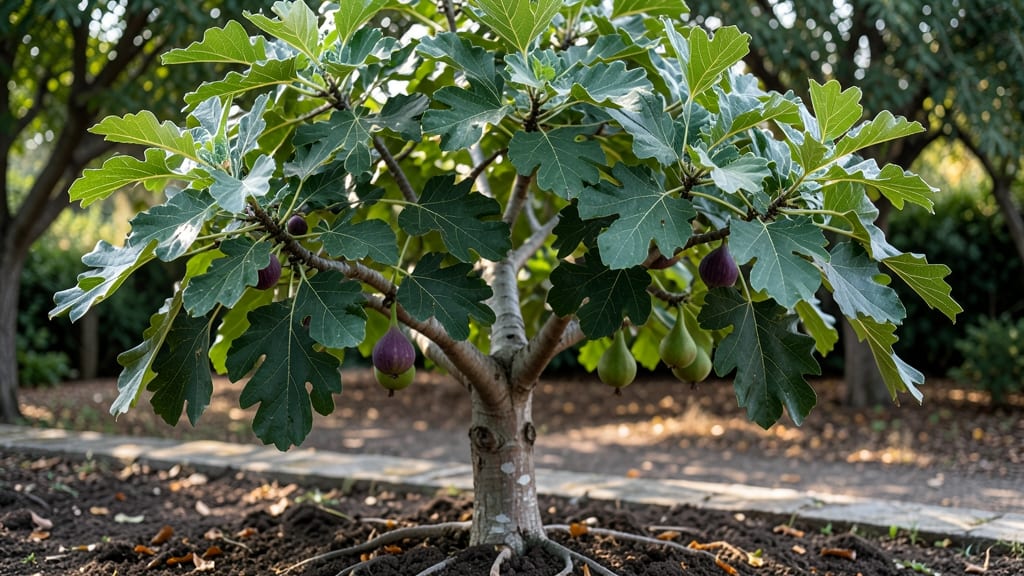
Fig trees can grow how tall can fig trees grow anywhere from 8 feet to towering heights of 30 feet, depending on the variety and how you care for them.
If you’re dreaming of a lush, shade-providing fig tree but wondering whether it’ll fit in your backyard—or stretch into the sky—you’re not alone. The difference between a compact dwarf and a sprawling giant comes down to the type you choose and how you prune it.
Some varieties, like the Little Miss Figgy, stay under 10 feet even in ideal conditions, while others, such as the Brown Turkey, can reach 20+ feet without intervention. Knowing the potential height of your fig tree helps you plan for space, sunlight, and even pruning needs before planting.
Below, I break down the height ranges of popular fig varieties, how to control growth for smaller spaces, and the best pruning techniques to keep your tree at your ideal size—whether that’s a container-friendly dwarf or a backyard giant.

Fig tree height by variety: from dwarf to giant sizes
Fig trees are incredibly versatile, offering varieties that can fit snugly in a container garden or stretch toward the sky like a shade-providing giant. The mature height of a fig tree depends entirely on its variety, growing conditions, and how aggressively you prune.
Some stay under 10 feet, while others can reach 30 feet or more. Understanding these differences will help you choose the perfect fig tree for your space.
Before selecting a variety, consider your yard size, sunlight exposure, and whether you want a fruit-bearing focal point or a compact patio plant. Dwarf varieties thrive in containers, while standard and giant types need ample space.
Let’s explore the most popular fig tree varieties and their typical mature heights to help you make an informed decision.
📌 Key factors influencing fig tree height:
- Variety selection (dwarf vs. standard)
- Pruning techniques (regular vs. minimal)
- Growing conditions (sunlight, soil, climate)
- Container vs. in-ground planting (root restriction vs. open growth)
If you’re working with limited space, varieties like Little Miss Figgy or Desert King are excellent choices. These dwarf fig trees stay under 12 feet and can even thrive in large containers with proper care. Their bushy growth habit makes them perfect for patios or small urban gardens.
For those with more room, medium-height varieties like Celeste or Chicago Hardy offer a balance between manageable size and abundant fruit production. These fig trees typically reach 15-20 feet and provide shade and beauty without overwhelming your landscape. They’re ideal for medium-sized yards or as privacy screens.
If you’re dreaming of a statement tree, giant varieties like Brown Turkey or Black Mission will deliver. These towering fig trees can exceed 30 feet and create a dramatic focal point in your garden.
They’re perfect for rural properties, orchards, or large estates where space isn’t a concern.
Remember, even giant fig trees can be managed with regular pruning. By removing overgrown branches or encouraging bushier growth, you can control their height and shape.
For example, heading back (cutting back new growth) in late winter can keep a Brown Turkey from becoming unruly while still allowing it to produce abundant fruit.
Your climate also plays a role in height. Fig trees in warmer zones (USDA zones 8-11) grow faster and taller, while those in cooler climates (zones 6-7) may stay smaller unless they’re cold-hardy varieties like Chicago Hardy.
Always check the specific variety’s hardiness before planting to ensure it thrives in your area.
Whether you’re after a compact patio fig or a towering shade tree, choosing the right variety is the first step.
Pair it with proper pruning, well-draining soil, and full sun exposure, and you’ll have a fig tree that fits perfectly into your vision—no matter how tall or small you want it to grow. 🌳
How to control fig tree height: pruning and growing tips
Controlling your fig tree height starts with understanding how these trees naturally grow. Without intervention, most varieties can reach 20-30 feet tall, creating a stunning canopy but potentially overwhelming smaller spaces.
The good news? With strategic pruning techniques and proper training, you can shape your fig tree to fit your landscape perfectly.
I’ve found that pruning in late winter or early spring—just before new growth begins—gives the best results. This timing allows the tree to heal quickly and encourages healthy bushier growth rather than vertical stretching. For container-grown figs, regular pruning throughout the season keeps them compact and manageable.
⚠️ WARNING: Over-Pruning Risks Pruning too aggressively can stress your fig tree and reduce fruit production. Never remove more than 25% of the canopy in a single session, and avoid cutting into old wood, which may not regrow.
Young fig trees are more resilient, so you can prune up to 30% of their height annually if needed to control growth direction. Always use sterilized pruning shears to prevent disease spread between cuts.
To encourage a bushier habit, focus on pruning the upper branches while leaving lower branches intact. This redirects energy toward lateral growth. I recommend cutting just above a leaf node or outward-facing bud to promote new shoots.
For espaliered figs, train branches horizontally along a trellis or fence to control height while maximizing fruit exposure to sunlight.
Environmental factors also play a key role in height control. Fig trees grown in containers naturally stay smaller due to root restriction, often reaching 8-12 feet at maturity. In-ground trees, however, will grow taller unless regularly pruned.
Poor soil drainage or nutrient deficiencies can also cause stunted growth, so always plant in well-draining soil with a balanced fertilizer (5-10-10 ratio) during the growing season.
For fast-growing varieties like 'Celeste' or 'Brown Turkey', I suggest pruning every 6-8 weeks to maintain desired height. Slower growers like 'Little Miss Figgy' require less frequent pruning but benefit from shaping cuts to encourage a rounded canopy.
Always step back after pruning to visualize the tree’s shape—this helps you avoid over-trimming and maintain a natural look.
Remember, fig trees are forgiving, and even heavy pruning won’t kill them. With patience and consistency, you can transform a wild, towering giant into a manicured specimen that fits your space perfectly while still producing abundant fruit. Start small, observe how your tree responds, and adjust your approach as needed.