
Size
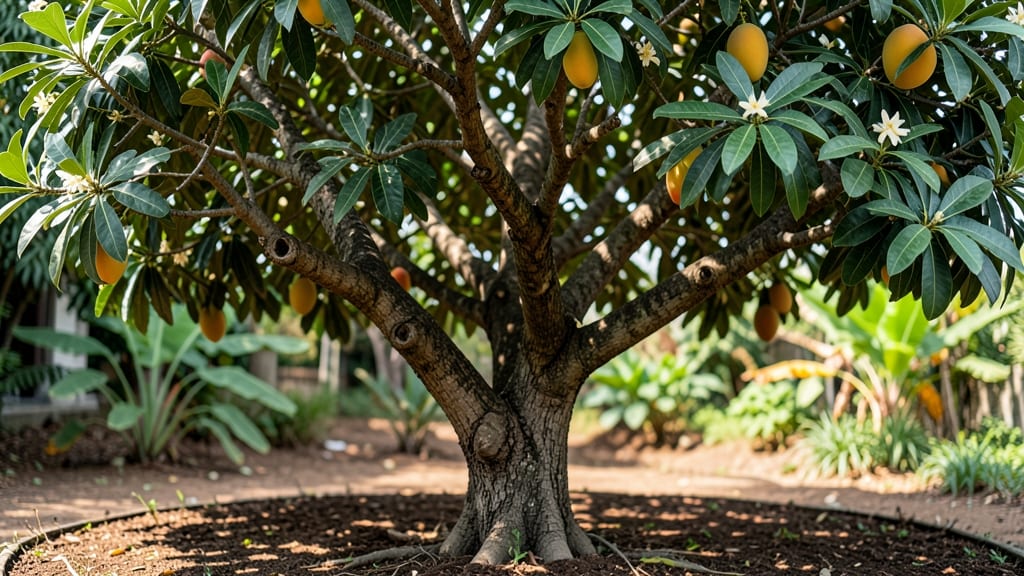
Mango trees can grow up to 60 feet tall—taller than a five-story building—if given the right conditions, but their height depends on the variety, climate, and care you provide.
Dreaming of a tropical paradise in your backyard? Mango trees aren’t just stunning—they’re also surprisingly adaptable, but their sky-high potential comes with serious space requirements. Before planting, know exactly how tall your mango tree could grow—and whether your yard (or climate) can handle it.
Standard varieties like 'Keitt' or 'Haden' reach those towering heights, while dwarf types like 'Cogshall' stay under 30 feet. Pruning, grafting, and container growing can also control their size, making them workable for smaller spaces.
Below, I’ll break down height ranges by variety, how to manage growth, and whether you can grow a mango tree in a pot—plus the biggest myths about their size.

Mango tree height by variety: from dwarf to giant species
Mango trees are legendary for their towering presence, but their height varies dramatically by variety—some stay manageable while others reach skyscraper proportions. If you're planning a backyard orchard, knowing these mature height ranges will help you choose the perfect fit for your space.
From dwarf varieties perfect for containers to giant tropical giants that need acres, we’ve got the real numbers.
Most home gardeners assume all mango trees grow 60+ feet tall, but that’s only true for tropical giants like 'Haden'. In reality, dwarf varieties can stay under 20 feet with proper care.
The key? Rootstock selection and pruning discipline. Even standard varieties can be kept smaller with the right techniques—more on that later. First, let’s explore the height spectrum of popular mango cultivars.
Pro Tip: Always check your local frost zone before planting. Even dwarf varieties may struggle in USDA Zone 9 or colder without winter protection. For example, the 'Cogshall' (a cold-hardy variety) can handle Zone 8 but still needs 15+ feet of space.