
Trees
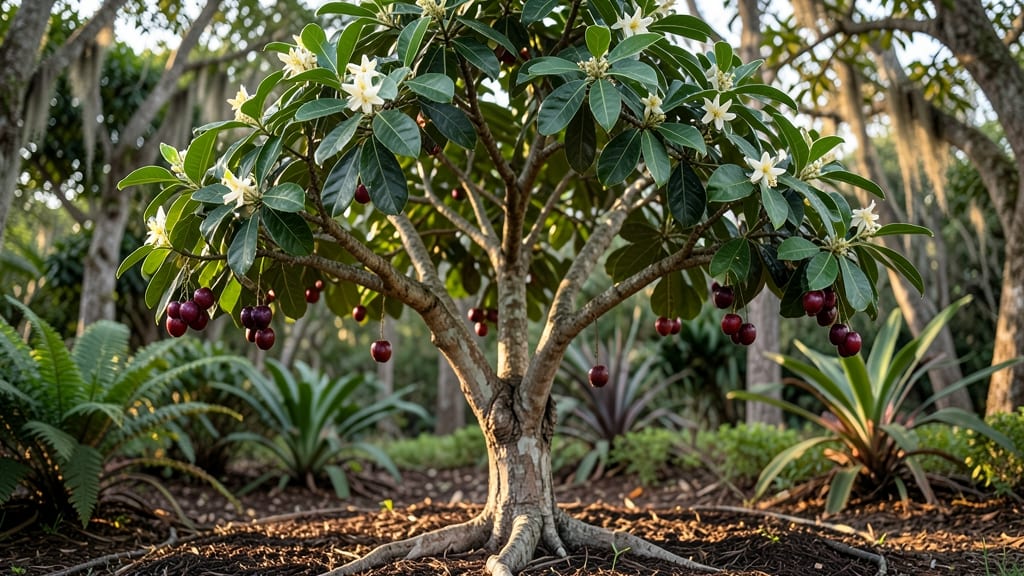
How tall coffee trees grow depends on the variety and growing conditions—ranging from 10 to 30 feet ☕—so yes, you can grow them in your backyard, even if you don’t have acres of land.
If you’ve ever dreamed of growing your own coffee beans but worried about space constraints, understanding coffee tree height is the first step to success—whether you’re cultivating a towering jungle giant or a compact backyard dwarf.
Arabica varieties typically stay on the shorter side (10-15 feet), while Robusta can stretch toward 30 feet if left unpruned. With the right spacing and pruning techniques, even full-size trees can thrive in home gardens or large containers.
Below, I’ll break down how variety, climate, and pruning affect height, plus tips for choosing the perfect coffee tree for your space—whether you’re aiming for a small patio plant or a full-sized backyard shade tree.

Coffee tree height by variety: from dwarf to giant sizes
When I first started growing coffee trees, I assumed they’d all grow into towering jungle giants—until I discovered the incredible range of heights available. Coffee trees can span from compact 3-foot dwarfs perfect for containers to 30-foot giants that need acres of space.
The variety you choose determines not just your tree’s height but also its growth rate, care needs, and even coffee flavor profile.
Most home gardeners focus on two main species: Arabica and Robusta. Arabica trees tend to be slightly taller and more delicate, while Robusta varieties are often stockier and more disease-resistant.
Within these species, you’ll find dwarf varieties (3-6 ft), semi-dwarf (6-10 ft), and full-size trees (15-30 ft). Understanding these differences helps you match your coffee tree to your space and climate.
Here’s how coffee tree heights break down by variety, including their growth rates and time to maturity—critical details for planning your home coffee garden.
| Variety | Mature Height | Growth Rate | Time to Maturity | Best For |
|---|---|---|---|---|
| Arabica (Dwarf) | 3-6 ft | Slow (6-12 in/year) | 2-3 years | Containers, patios, small yards |
| Arabica (Semi-Dwarf) | 6-10 ft | Moderate (12-18 in/year) | 3-4 years | Backyards, larger containers |
| Arabica (Standard) | 15-25 ft | Fast (18-24 in/year) | 5-7 years | Large gardens, rural properties |
| Robusta (Dwarf) | 4-7 ft | Moderate (12-18 in/year) | 2-3 years | Urban gardens, balconies |
| Robusta (Standard) | 20-30 ft | Fast (24+ in/year) | 4-6 years | Commercial farms, spacious yards |
The dwarf varieties of both Arabica and Robusta are my top recommendations for home gardeners with limited space. These trees reach maturity in just 2-3 years, producing small but flavorful yields.
For example, the Arabica ‘Nana’ stays under 5 feet and thrives in 15-gallon containers, making it perfect for balconies. Meanwhile, Robusta ‘Red Catuai’ grows to about 6 feet and handles partial shade better than most Arabicas.
If you have a larger backyard or live in a tropical climate, full-size coffee trees are worth considering. These giants can grow 3 feet per year in ideal conditions, reaching their mature height in 5-7 years.
The Arabica ‘Bourbon’ variety, for instance, matures at 15-20 feet and produces high-quality beans with complex flavors. However, these trees require regular pruning to manage their height and shape, especially in residential areas.
One common misconception is that all coffee trees grow at the same rate. In reality, Arabica varieties typically grow more slowly than Robusta, especially in cooler climates.
For example, a Robusta tree might reach 10 feet in 4 years, while an Arabica of the same age could only be 6-8 feet tall.
This slower growth gives Arabicas more time to develop their delicate flavors, but it also means you’ll need more patience if you’re growing them for home use.
For those in USDA Zones 10-12, full-size trees are often the best choice, as they can handle the heat and humidity of tropical climates. In cooler microclimates or containers, dwarf varieties are the only practical option.
I’ve successfully grown Arabica ‘Geisha’ dwarfs in Zone 11 using large pots, and they’ve produced exceptional floral notes despite their compact size.
Another factor to consider is the spread of the tree. Even dwarf varieties can develop wide canopies (up to 6 feet across), so plan for adequate spacing. For example, a 6-foot-tall semi-dwarf tree might need 8-10 feet of space to avoid overcrowding.
In small spaces, consider espalier training to grow trees along fences or walls, keeping their height manageable while maximizing yield.
When choosing a coffee tree, also think about your harvest timeline. Dwarf varieties typically produce their first cherries in 2-3 years, while full-size trees may take 5-7 years to bear significant fruit.
If you’re eager to enjoy homegrown coffee, starting with a dwarf variety is the fastest way to success. Plus, their smaller size makes them easier to hand-harvest and maintain.
Remember, even full-size coffee trees can be pruned to control their height, though this will affect their yield and long-term structure. If you’re committed to growing a large tree but need to keep it shorter, prune in late winter before new growth begins.
This approach allows you to shape the tree while preserving
How to choose the right coffee tree height for your space
Choosing the perfect coffee tree height depends entirely on your available space and growing goals. While traditional coffee trees can reach 15–30 feet tall, many gardeners opt for dwarf varieties that stay under 6 feet.
The key is matching the tree’s mature size to your environment—whether that’s a sunny backyard, a patio container, or even an indoor grow room.
For urban gardeners or small yards, dwarf coffee trees are the ideal solution. These compact varieties thrive in 5-gallon containers and can produce beans just like their taller cousins.
If you’re in a tropical or subtropical climate, full-size trees may flourish outdoors, but they’ll need ample space—at least 10 feet of clearance in all directions for proper airflow and sunlight.
Coffee Tree Height Guide by Growing Space
- 🌱 Dwarf Varieties (3–6 ft): Perfect for containers, patios, or small balconies. Ideal for indoor cultivation with bright indirect light.
- 🪴 Semi-Dwarf (6–10 ft): Suitable for larger pots or small yards. Requires outdoor planting in warm climates (USDA Zones 10–12).
- 🌳 Full-Size (15–30 ft): Best for rural properties, large gardens, or tropical farms. Needs 10+ feet of space and full sun.
- ☀️ Indoor Growing: Use dwarf varieties in 10–15 gallon pots near south-facing windows. Supplement with grow lights if natural light is limited.
- 💧 Container Tips: Ensure pots have drainage holes and use a well-draining, acidic mix (pH 4.5–6.0). Water when top 1–2 inches of soil are dry.
If you’re growing coffee trees in containers, prioritize dwarf or semi-dwarf varieties to avoid root-bound stress. These trees can thrive in 10–15 gallon pots for several years before needing repotting. For outdoor planting, space full-size trees 15–20 feet apart to prevent competition for nutrients and sunlight.
Climate plays a crucial role in height management. In tropical regions, coffee trees grow faster and taller, while indoor or cooler-climate growers should choose dwarf varieties or use pruning to control height. Always acclimate potted trees gradually to outdoor conditions to avoid shock.
For maximum yield and health, align your coffee tree’s height with its environment. Whether you’re a city dweller with a balcony or a rural gardener with acres, the right variety and spacing will ensure a thriving coffee harvest—without sacrificing your garden’s layout.