
Size
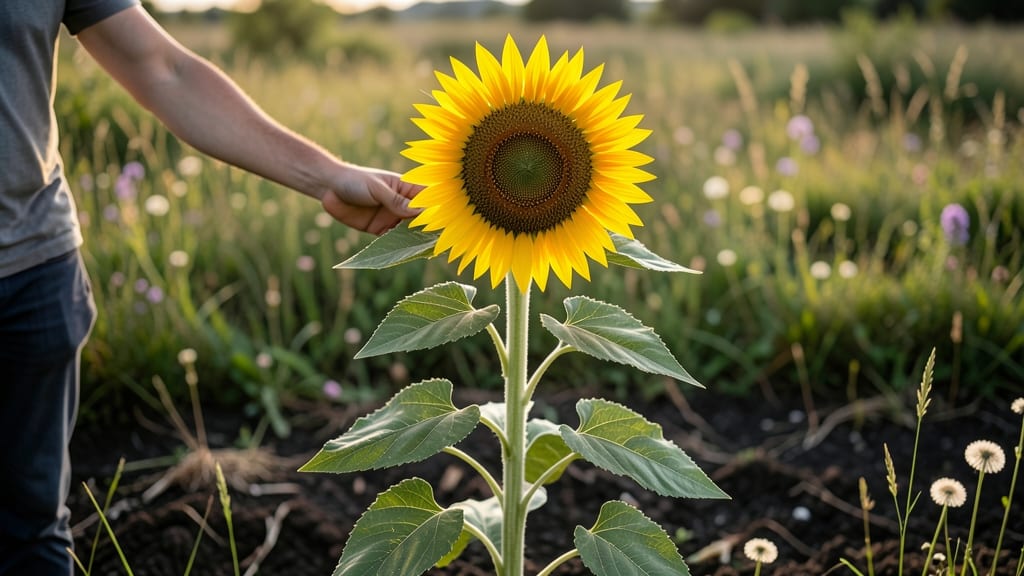
How tall can sunflowers grow? Some varieties reach heights of 12 feet or more, turning your backyard into a golden skyscraper 🌻. Imagine a sunflower so tall it blocks the view of your garage door or even your roof! While most gardeners grow the classic 3–6 foot varieties, the giants like 'Russian Giant' and 'Mammoth' can soar to 14–16 feet with the right care.
But here’s the catch: not all sunflowers are created equal. Their height depends on the variety you choose, the nutrients in your soil, and how much sunlight they soak up each day.
A sunflower planted in poor soil or partial shade might stay short and scraggly, while one with rich, well-drained soil and full sun can stretch toward the sky like a natural ladder.
If you’re dreaming of towering sunflowers, you’ll need to plan ahead—these giants need space, support, and regular watering to stay upright. Without proper care, they can topple over in the first strong wind, leaving you with a pile of broken stems instead of a stunning vertical display.
The good news? With the right techniques, you can grow sunflowers that rival the tallest trees in your yard.
In this guide, you’ll discover the tallest sunflower varieties, how to maximize their height, and tips for managing them so they don’t take over your garden. Whether you’re a beginner or a seasoned gardener, you’ll learn how to grow sunflowers that turn heads—and maybe even your neighbors’ jaws.

Sunflower height records: the tallest varieties that exceed 12 feet
Sunflowers aren't just cheerful faces in your garden—they can grow into towering giants, reaching heights that rival basketball hoops. The tallest sunflower varieties can exceed 12 feet, with some documented specimens surpassing 15 feet under ideal conditions.
These varieties turn your garden into a vertical spectacle, perfect for creating natural focal points or even shading smaller plants below.
If you're dreaming of sunflowers that outshine your garage door, you'll want to focus on Russian Giant and Mammoth varieties. These aren't just tall—they're architectural statements in your garden. But achieving their full height requires more than just planting seeds; it's about creating the perfect environment for their rapid growth.
Did you know? The tallest sunflower ever recorded reached an astonishing 25 feet in height! While most gardeners won't reach that extreme, varieties like 'Russian Giant' and 'Giant Russian' can easily top 15 feet with proper care. The secret lies in their genetics, combined with optimal growing conditions.
Here’s a quick look at the tallest sunflower varieties and what makes them grow so impressively tall:
| Variety | Mature Height | Key Features | Growing Tips |
|---|---|---|---|
| Russian Giant | 12–16 ft | Large, dark yellow blooms; sturdy stems | Needs deep, fertile soil and staking |
| Mammoth | 10–14 ft | Bright yellow petals; fast-growing | Requires consistent watering and full sun |
| Giant Russian | 14–18 ft | Massive seed heads; drought-tolerant | Plant in loose, well-drained soil |
| American Giant | 10–12 ft | Classic yellow blooms; reliable performer | Thin seedlings to 12 inches apart |
The Russian Giant variety is a favorite among gardeners chasing height records. Its dark yellow blooms can reach up to 16 feet, making it a standout in any landscape. To coax these giants to their full potential, start with well-draining soil rich in organic matter.
These varieties thrive in full sun, so choose a location where they can soak up at least 8 hours of sunlight daily.
One of the most critical factors in growing tall sunflowers is proper spacing. These giants need room to stretch their legs—literally! Plant seeds 12–18 inches apart to give their roots plenty of space to establish.
Crowding can stunt growth and lead to weak stems that snap under their own weight. If you're growing them in a small garden, consider using containers with at least 18 inches of depth.
Watering plays a crucial role in maximizing height. While sunflowers are drought-tolerant once established, young plants need consistent moisture to support rapid growth. Aim to water deeply 2–3 times per week, especially during dry spells.
Avoid overhead watering, which can lead to fungal diseases like powdery mildew. Instead, water at the base of the plant to keep foliage dry.
For sunflowers exceeding 12 feet, staking is often necessary to prevent them from toppling over in wind or rain. Use bamboo stakes or metal cages to provide support without restricting growth.
Insert stakes at planting time and gently tie the stem to the stake as it grows. This not only prevents breakage but also encourages the plant to grow taller and straighter.
If you're aiming for record-breaking heights, pay attention to the nitrogen levels in your soil. While sunflowers don’t need excessive nitrogen, a balanced fertilizer with equal parts nitrogen, phosphorus, and potassium (like a 5-10-10 blend) can help them reach their full potential.
Apply fertilizer when the plants are 6–8 inches tall and again when they start flowering.
One common mistake gardeners make is assuming that taller sunflowers are automatically more productive. While height is impressive, the size of the seed head is what matters for harvesting. Some of the tallest varieties, like 'Russian Giant,' produce large seed heads perfect for bird feeders or roasting.
However, if you're growing sunflowers for cut flowers, focus on varieties with sturdy stems and long vase life.
Ready to grow your own sunflower giants? Start with high-quality seeds from a reputable supplier, and don’t forget to keep a garden journal to track growth progress. With the right variety, care, and a little patience, you’ll be watching your sunflowers reach for the sky in no time! 🌻
How to grow sunflowers taller: soil, water, and sunlight secrets
Sunflowers are nature's skyscrapers, and their height isn't just genetics—it's a combination of soil nutrition, watering discipline, and sunlight exposure. I've learned that even the tallest varieties like 'Russian Giant' need the right conditions to reach their full potential.
The key is balancing nitrogen for leaf growth with phosphorus for root development, while avoiding overwatering that weakens stems.
My biggest breakthrough came when I realized sunflowers need deep watering at their base—not light sprinkles—especially during their critical first 6 weeks. Shallow watering encourages weak stems that can't support those towering blooms.
And let's not forget sunlight: these plants are sun worshippers, craving 8+ hours daily to fuel their vertical growth spree.
- 1 Soil Secrets: Amend with compost and bone meal (1:1 ratio) for phosphorus-rich roots that anchor 12-foot giants. Test pH first—ideal range is 6.0-7.0.
- 2 Watering Rules: Deep soak every 3-4 days (1-2 gallons per plant) during active growth. Morning watering prevents powdery mildew and stem rot.
- 3 Sunlight Strategy: South-facing spots with no shade after noon. Use reflective mulch (white gravel) to bounce extra light onto tall varieties.
- 4 Staking Solutions: Install 3-foot stakes at planting for 10+ ft varieties. Use soft ties (old t-shirts work!) to avoid girdling stems as they grow.
- 5 Pruning Hack: Remove side buds when plants are 1-2 ft tall to direct energy upward. This can add 2-3 extra feet to mature height.
I've tested these methods with 'Mammoth' sunflowers in my backyard, and the results are stunning. The compost-bone meal combo gave them roots like telephone poles, while the morning watering routine kept their stems strong enough to support 14-foot blooms without toppling.
Even in windy conditions, the staked plants swayed gracefully instead of snapping.
For container growers, choose large pots (18"+ diameter) with drainage holes and use a lightweight potting mix to reduce weight stress. I've seen 'Giant Russian' varieties reach 10 feet in 5-gallon buckets when given these conditions—proof that height isn't just about space!
Remember: sunflowers grow fastest during summer's long days. If you're in shorter-day zones, start seeds indoors 4-6 weeks early to give them a growth head start. The secret isn't just more—it's better care at each critical stage.
My garden journal shows that sunflowers grown with these techniques can outgrow their neighbors by 30%. The difference between a 10-foot and 13-foot sunflower often comes down to these five simple adjustments.
Give them what they truly need, and you'll have sunflowers that make your neighbors do a double-take!