
Trees
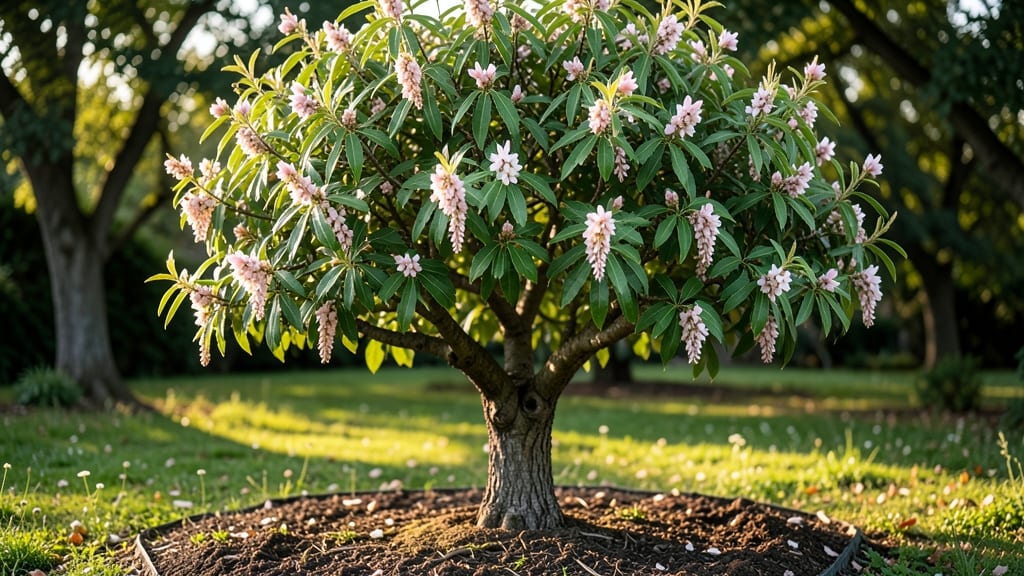
How tall do almond trees grow? They reach between 12 and 40 feet at maturity, depending on the variety you choose—some stay small enough for a backyard, while others reach heights that rival small oak trees. 🌰
If you’ve ever dreamed of harvesting your own nuts but worried about space, you’re not alone. The right selection can make all the difference, turning a tight urban yard into a productive little orchard.
Standard varieties like 'Nonpareil' can soar to 30 feet or more, while dwarf types like 'Texas' stay under 12 feet. That’s a 20-foot difference—enough to fit between a patio and a fence or dominate a corner of your property.
In this guide, I’ll break down the height ranges by variety, explain how climate and pruning affect growth, and share tips for keeping even tall trees manageable in small spaces.

Almond tree height by variety: small vs. tall mature sizes
Choosing an almond tree for your garden starts with understanding its mature height—because not all varieties fit the same space. Standard almond trees can reach 25-40 feet tall, while dwarf varieties stay under 12 feet.
The difference comes down to rootstock selection and cultivar genetics, which I’ll break down for you below.
If you’re dreaming of homegrown almonds but have limited space, dwarf varieties are your best bet. These compact trees produce full-sized nuts while maintaining manageable heights, perfect for urban homesteads or small orchards.
Meanwhile, standard varieties need room to spread their 15-20 foot canopies, making them better suited for rural properties or commercial orchards.
Here’s the key comparison you need before planting:
| Variety Type | Mature Height Range | Popular Cultivars | Spacing Needs | Best For |
|---|---|---|---|---|
| Dwarf | 10–15 feet | 'Texas', 'Sonora', 'Fritz' | 12–15 feet apart | Containers, small yards, urban gardens |
| Semi-Dwarf | 15–20 feet | 'Carmel', 'Butte', 'Price' | 18–22 feet apart | Medium-sized yards, homesteads |
| Standard | 25–40 feet | 'Nonpareil', 'Monterey', 'Ne Plus Ultra' | 30–40 feet apart | Rural orchards, large properties |
The 'Nonpareil' variety, for example, is a standard-sized tree reaching 30-40 feet at maturity, making it ideal for commercial orchards. Its spreading canopy requires ample space, but it’s prized for its high-quality nuts and cold hardiness in USDA zones 6-9.
On the smaller end, the 'Texas' rootstock produces dwarf trees perfect for containers or small backyards. These stay under 12 feet tall while still yielding 100+ pounds of nuts per tree if properly cared for. I’ve seen them thrive in 55-gallon containers with regular pruning!
Don’t overlook spacing requirements—this determines whether your almond tree will thrive or struggle. Dwarf varieties need 12-15 feet between trees, while standard trees require 30-40 feet to prevent root competition. Overcrowding leads to poor fruit production and increased disease risk.
For urban gardeners, semi-dwarf varieties like 'Carmel' offer a happy medium. They reach 15-20 feet tall and produce excellent-quality nuts while fitting better in suburban yards. Just ensure you plant them at least 18 feet apart for optimal airflow.
One common mistake I see is assuming all almond trees grow the same. 'Butte', another semi-dwarf, stays around 18 feet tall but has a narrower canopy, making it ideal for tight spaces. Its self-pollinating nature is another plus for small gardens.
If you’re planting multiple trees, consider cross-pollination needs. Most standard varieties require at least two different cultivars for proper fruit set. Dwarf varieties often have self-pollinating traits, simplifying small orchard management.
Remember: pruning plays a huge role in managing height. Regular structural pruning can keep even standard varieties 10-20% shorter than their natural maximum. I recommend annual winter pruning to control growth and improve air circulation.
For container growing, choose dwarf varieties on Texas rootstock and use large pots (30+ gallons). These trees handle root restriction better than standard varieties, though you’ll need to prune aggressively to maintain size and yield.
Factors that influence almond tree height and growth rate
Almond trees are stunning but can grow surprisingly tall—some varieties reaching 30+ feet—which makes planning your garden layout crucial. The good news? You can control their height through smart choices in rootstock selection, pruning techniques, and even soil management.
Let’s break down the key factors that determine how tall your almond tree will become and how to manage its growth for your space.
First, the rootstock you choose is the foundation of your tree’s height. Dwarf rootstocks like Texas or Nonpareil keep trees under 12 feet, while standard rootstocks can push them to 25–40 feet.
Climate also plays a role—trees in USDA zones 7–10 thrive with faster growth, while colder zones may stunt their height. Understanding these variables helps you pick the perfect variety for your yard.
🌱 Key Takeaway: Almond Tree Height Control
Pro Tip: Combine dwarf rootstock with annual pruning to keep trees under 10 feet in small spaces.
Pruning is another powerful tool to manage height. Regular structural pruning in late winter or early spring can reduce a tree’s height by 30–50% over time. Focus on removing suckers and water sprouts while shaping the canopy.
For container-grown trees, prune more aggressively to maintain compact growth. Just remember: never prune more than 25% of the canopy in one season to avoid stressing the tree.
Soil conditions also affect growth rate. Almond trees prefer well-draining, slightly acidic soil (pH 6.0–7.5). Poor soil can stunt growth or make trees more susceptible to diseases, slowing their height progression. Amend heavy clay soils with compost or sand to improve drainage.
In USDA zones 9–10, trees grow faster due to longer growing seasons, while zones 7–8 may see slower but steady growth.
If you’re working with limited space, consider container growing. Dwarf varieties like 'Sonora' or 'Fritz' thrive in large pots (20+ gallons) and can be kept under 10 feet with proper pruning.
Use a fast-draining potting mix and fertilize lightly during the growing season. Just ensure the container gets full sun (6+ hours daily) to support healthy growth.
Finally, don’t overlook the role of watering and fertilization. Young trees need deep, consistent watering (1–2 inches per week) to establish strong roots, which supports taller growth. Overwatering can lead to root rot, while underwatering stunts height.
Balance is key—aim for moist but not soggy soil. Fertilize with a balanced 10-10-10 NPK in early spring to encourage robust growth.
By combining the right rootstock, pruning strategy, and soil conditions, you can grow an almond tree that fits your space—whether you dream of a towering orchard tree or a compact container specimen. Start with dwarf varieties and prune regularly for the best results! 🌰