
Trees
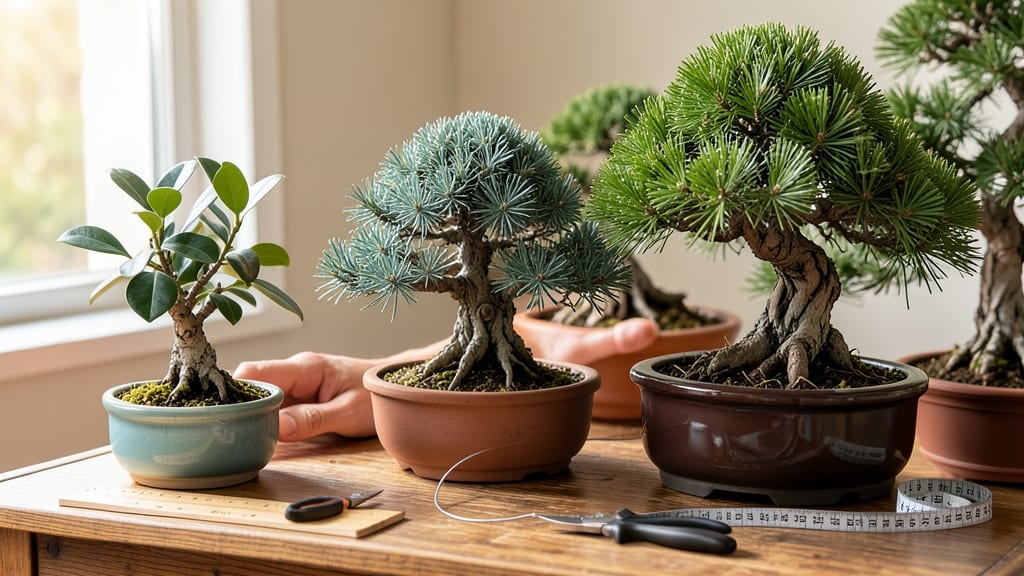
Bonsai trees grow between 3 and 36 inches tall, depending on the species and the gardener’s skill—because the magic of bonsai isn’t just in the tree, it’s in the training.
Ever wondered why your neighbor’s juniper stays a delicate tabletop piece while your ficus stretches toward the ceiling? The answer lies in pruning cycles, pot size, and species selection—each playing a role in whether your bonsai becomes a miniature masterpiece or a towering disappointment.
From the dwarf junipers that barely top 6 inches to the bold pines that can reach 3 feet with proper care, every bonsai tells a story. The key? Understanding how to control growth through wiring, root restriction, and seasonal adjustments—without stunting its health.
In this guide, I’ll break down height expectations by species, share proven techniques to keep your bonsai at your desired size, and reveal the common mistakes that turn your tiny tree into a vertical escapee. Ready to shape your own living art?

Bonsai tree height by species: what to expect from miniature giants
Bonsai trees are living art, and their height is one of the first things that captivates us. But did you know that a juniper bonsai can stay under 6 inches while a black pine might reach 3 feet with proper care?
The species you choose determines your bonsai’s potential height, and understanding these ranges helps you select the perfect miniature for your space or vision.
Height isn’t just about genetics—it’s also about pruning techniques, pot size, and growth habits. For example, ficus bonsai naturally grow taller but can be kept compact with regular trimming, while dwarf varieties like serissa stay tiny without much intervention.
Let’s explore the most popular bonsai species and their typical height ranges to help you plan your next masterpiece.
🌱
If you’re a beginner, juniper and ficus bonsai are excellent choices because they’re forgiving and adapt well to pruning. Their height ranges (6–36 inches) give you plenty of room to experiment with styles like literati (short, gnarled trunks) or broad, cascading forms.
For something truly tiny, serissa bonsai stay under 12 inches and add a touch of elegance with their delicate white flowers.
On the other hand, black pine and trident maple can reach 3 feet if left unchecked, but with regular pruning and root restriction, you can keep them within your desired height.
The key is to understand your species’ natural growth rate—some, like ficus, grow quickly, while others, like juniper, take their time. This knowledge lets you plan your bonsai’s future height from day one.
Another factor influencing height is pot size. Smaller pots restrict root growth, which in turn slows down the tree’s upward expansion. This is why shohin-style bonsai (under 6 inches) often use tiny pots and frequent pruning to maintain their miniature size.
If you’re aiming for a tabletop display, consider dwarf varieties or slow-growing species like serissa or juniper. For a statement piece, ficus or maple can add drama with their larger canopies when styled correctly.
🪴
Seasonal care also plays a role in height control. During spring and summer, when growth is most active, prune back new shoots to encourage bushier growth rather than height spikes.
In fall and winter, reduce watering and fertilizing to let your bonsai rest and recover, which helps maintain its structure. For outdoor bonsai, like juniper or pine, winter dormancy is natural and can slow growth, making it easier to manage height over time.
One common misconception is that all bonsai stay small naturally. In reality, many species would grow into full-sized trees (even 50+ feet tall) if left unpruned. The art of bonsai lies in controlling that growth through pruning
How to control bonsai tree height: pruning, wiring, and growth techniques
Mastering your bonsai’s height isn’t just about trimming—it’s an art of strategic growth control using pruning, wiring, and root management. Whether you’re aiming for a 6-inch tabletop specimen or a 3-foot statement piece, these techniques let you shape your tree’s future while keeping it healthy.
The key? Timing, patience, and understanding your tree’s natural growth patterns.
Bonsai trees grow slowly because their roots are intentionally restricted in pots, forcing energy into trunk thickness and foliage instead of height. But even with this constraint, some species like ficus or juniper can still outgrow their desired size if left unchecked.
That’s where pruning cycles and wiring methods come into play—tools that let you guide growth rather than fight it.
- 1 Prune at the right time: Trim new growth in late spring or early summer when shoots are 1/3 grown. Avoid heavy pruning in fall—it stresses the tree before dormancy. Use sharp, sterilized bonsai shears to make clean cuts just above a leaf node.
- 2 Wire for shape control: Apply aluminum or copper wire (thickness: 1-3mm) during active growth (spring/summer). Bend branches gently—never force them. Remove wire after 2-3 months or when it cuts into the trunk. Pines and junipers respond best to wiring.
- 3 Defoliate for rapid reduction: Remove 50-70% of leaves in late spring to force the tree to grow smaller, denser foliage. Use a thinning shears or pinch leaves by hand. Juniper and maple bonsai recover well; avoid this on ficus or azalea unless experienced.
- 4 Restrict root growth: Repot every 2-4 years in spring, trimming 1/3 of roots with a root rake. Use a pot 1-2 sizes smaller than the previous one. Akadama soil helps control moisture and root expansion.
- 5 Adjust lighting for growth: Place your bonsai in morning sun (6 AM–12 PM) to slow vertical growth. Avoid direct afternoon sun, which encourages rapid elongation. Indoor bonsai may need grow lights for 12-14 hours/day in winter.
One common mistake is over-pruning, which can weaken your bonsai and lead to sparse foliage. Instead, focus on selective trimming—removing only the longest shoots to maintain balance.
For example, a juniper bonsai might need just 2-3 pruning sessions per year, while a fast-growing ficus could require monthly adjustments. Always step back and assess your tree’s natural shape before cutting.
For rapid height reduction, combine defoliation with root pruning in early spring. This forces the tree to redirect energy into thicker trunks and denser branches rather than height. Just remember: patience is key.
A bonsai that’s been over-manipulated can suffer from stunted growth or dieback. Monitor your tree’s health—yellowing leaves or dropping needles signal stress.
With these techniques, you’ll create a bonsai that stays at your desired height—whether it’s a 6-inch desk companion or a 2-foot conversation piece. The secret? Consistency and observation—your bonsai will thank you with lush foliage and sturdy branches for decades. 🌿✂️🪴