
Trees
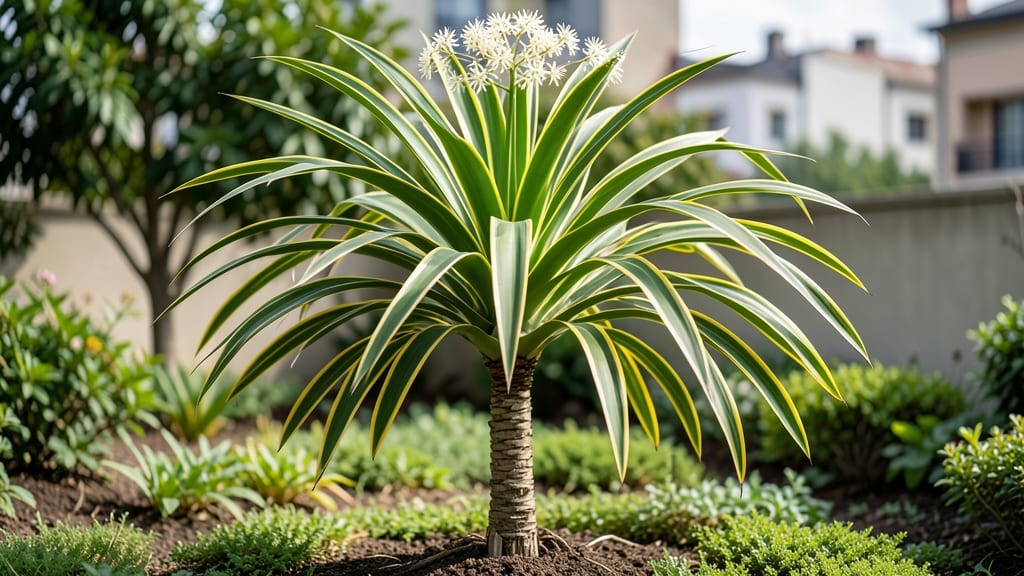
How tall do dragon trees grow? They reach heights of 10 to 20 feet outdoors in their native habitat, but indoors, they typically stay between 3 and 6 feet with proper care.
If you’ve ever wondered whether your dragon tree (🌿 Dracaena marginata) will soon tower over your ceiling—or how to control its growth—you’re not alone. This striking houseplant can reach surprising heights, but its indoor growth potential depends on care, pruning, and even the right pot size.
Outdoor dragon trees thrive in warm climates like USDA Zone 6a and beyond, where they can grow tall and robust. Indoors, however, their height is often limited by space and light conditions, making them perfect for both small apartments and larger homes.
Discover how to manage your dragon tree’s height with pruning tips, light adjustments, and pot selection—plus, learn whether it’s the right fit for your space. Find out more about keeping your dragon tree at the perfect height for your home.

Dragon tree height limits: how tall can they grow indoors?
Your dragon tree (Dracaena marginata) is a slow but steady grower, and its final height depends on whether it thrives indoors or outdoors. Under ideal conditions, these plants can reach 20+ feet tall outside, but indoors, they typically max out between 3 to 6 feet with proper care.
The key difference? Space, light exposure, and root constraints in containers.
If you’ve noticed your dragon tree growing faster than expected, it’s likely due to bright indirect light and a roomy pot. Conversely, crowded roots or low light can stunt growth.
Understanding these factors helps you estimate how tall your plant might become based on its current size and care routine.
| Factor | Indoor Growth Range | Outdoor Growth Range | Key Influencer |
|---|---|---|---|
| Pot Size | 3–6 ft | 20+ ft | Root space |
| Light Exposure | Slower growth | Faster growth | Sunlight hours |
| Age | 1–3 ft/year (young) | 2–4 ft/year (mature) | Growth rate |
| Pruning | Controls height | Encourages bushiness | Cutting back |
To estimate your dragon tree’s future height, start by measuring its current size. A 1-year-old plant typically grows 1–2 feet tall, while a 3-year-old can reach 3–5 feet.
If your plant is in a 10-inch pot with bright light, expect it to grow 6–12 inches per year. Smaller pots or dimmer light will slow growth significantly.
Light is the most critical factor for height control. Place your dragon tree near an east-facing window for gentle morning sun, which promotes steady growth without stress. Avoid south-facing windows, where harsh afternoon rays can scorch leaves and stunt upward growth.
A grow light can also help maintain consistent growth if natural light is limited.
Pot size directly impacts height potential. Dragon trees in small pots (under 6 inches) may grow only 1–2 feet tall due to root restriction. Upgrading to an 8–12 inch pot can encourage growth up to 5–6 feet over 3–5 years.
Always choose a pot with drainage holes to prevent root rot, which can halt growth entirely.
Age plays a surprising role in height. Young dragon trees focus energy on leaf production, growing 6–12 inches per year. Once they reach 3–5 feet tall, they may grow 1–2 feet per year.
This slower growth phase is ideal for controlling height indoors. If your plant is already tall, pruning the top stem can encourage bushier growth and reduce overall height.
Pruning isn’t just for height control—it also promotes a fuller appearance. Use sterilized pruning shears to cut just above a leaf node. The remaining stem will sprout new branches, creating a multi-stemmed dragon tree that stays shorter but denser.
This technique is perfect for indoor spaces where vertical growth is limited.
If you’re concerned about your dragon tree outgrowing its space, consider these height-limiting strategies:
- Repot every 2 years to refresh root space.
- Rotate the pot monthly for even light exposure.
- Avoid over-fertilizing, which can spur rapid (but uncontrolled) growth.
With the right care, your dragon tree can thrive indoors for decades without becoming a ceiling hazard. Monitor its growth annually, adjust light and pot size as needed, and enjoy its striking foliage at a manageable height.
For more tips on pruning or repotting, check out our guide on controlling dragon tree growth.
5 Proven ways to control dragon tree growth height
Managing your dragon tree's height is easier than you think, especially when you use targeted strategies. Since these plants can grow 3-6 feet indoors and up to 20 feet outdoors, controlling their size requires a mix of pruning techniques, light adjustments, and smart repotting.
The key is to act early—once your plant reaches 4-5 feet, height control becomes more challenging.
Start by understanding that light exposure directly impacts growth speed. Place your dragon tree in bright indirect light (like an east-facing window) to slow vertical growth while encouraging bushier foliage.
Avoid south-facing windows, where intense sunlight can trigger rapid, leggy growth. Even small changes in light can make a 20-30% difference in height over a year.
Trim in early spring (March-April) to encourage bushier growth. Use clean, sharp pruning shears and cut just above a leaf node.
Upgrade to a 1-2 inch larger pot only when roots circle the drainage holes. Over-potting accelerates height growth.
Use half-strength fertilizer (10-10-10) every 6-8 weeks during summer to reduce vertical growth while maintaining health.
Turn the plant ¼ turn weekly to ensure even light exposure, preventing lopsided growth toward the light source.
Use pruned stems (6+ inches) in water to grow new plants, reducing your main dragon tree's height while expanding your collection.
One of the most effective ways to control height is through pruning techniques. When you prune your dragon tree, focus on cutting just above a leaf node (the bump where leaves grow). This encourages new shoots to sprout from that node, creating a fuller, bushier plant.
For dramatic results, prune back 1/3 of the plant's height in early spring—just as new growth begins. Always use sterilized shears to prevent disease.
Fertilizers play a surprising role in height control. While you might think more fertilizer equals faster growth, the opposite is true for dragon trees. During summer months, switch to a low-nitrogen fertilizer (like 5-10-10) and apply it at half the recommended dose.
This slows vertical growth while still providing essential nutrients. Avoid fertilizing in winter months entirely, as your dragon tree enters dormancy and doesn't need extra nutrients.
Don't overlook the power of repotting as a height-control tool. Dragon trees grow fastest when root-bound, so if you repot too frequently, you'll encourage rapid height increases. Instead, only repot every 2-3 years and choose a pot that's only 1-2 inches larger in diameter than the current one.
This restricts root expansion, which in turn slows overall growth. Always use a pot with drainage holes to prevent root rot, a common issue with over-potted dragon trees.
For maximum control, combine these strategies with consistent light management. Move your dragon tree to a north-facing window during summer if it's growing too tall, then return it to brighter light in winter when growth naturally slows.
With these 5 proven methods, you can keep your dragon tree at a manageable 3-4 feet—perfect for indoor spaces without sacrificing its stunning appearance.