
How To
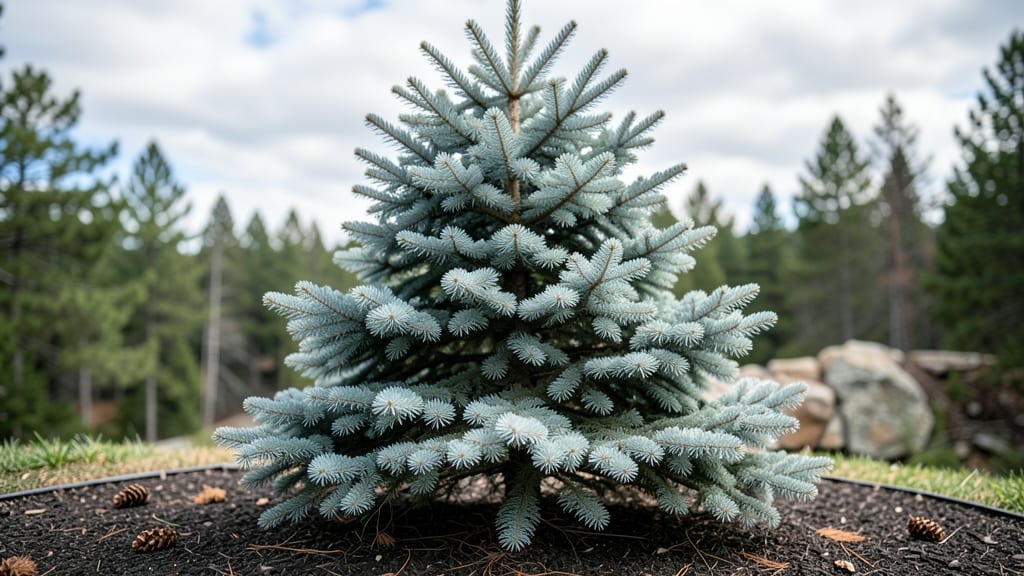
A Colorado Blue Spruce can grow how tall do Colorado Blue Spruce grow anywhere from 10 feet in dwarf varieties to a towering 120 feet in standard types, making it one of the most dramatic trees in your yard.
If you're planning your landscape, this range isn't just about aesthetics—it's about whether your tree will dwarf your house or fit neatly in a corner. The standard 'Glauca' variety, for example, can shoot up 3 feet per year in ideal conditions, while dwarf types like 'Conica' stay compact for decades.
Growth rates depend on soil, sunlight, and even your local climate. In the dry air of Colorado or the Rocky Mountains, these trees thrive with minimal fuss, but in humid zones, they may grow faster—and taller—than expected.
Here’s how to predict your tree’s height, choose the right variety for your space, and avoid common mistakes that stunt or distort their growth.

Colorado Blue Spruce mature height by variety: from dwarf to giant trees
Choosing a Colorado Blue Spruce means selecting a tree with dramatic height variations. The 'Glauca' standard variety can tower to 100+ feet, while dwarf varieties like 'Conica' stay under 10 feet. Understanding these differences helps you plan spacing, light exposure, and even property line compliance before planting.
Most homeowners focus on mature height first, but growth rates matter too. A standard Colorado Blue Spruce grows 1-2 feet per year in ideal conditions, while columnar varieties like 'Fastigiata' grow slower but denser. Your yard's size and sunlight will determine which variety thrives best.
Here’s how popular varieties compare in height, growth speed, and space needs—plus real-world size comparisons to help visualize their impact on your landscape.
The 'Glauca' standard variety is the most common in landscapes, but its 100-foot height means it’s best for large properties or as a windbreak. For smaller yards, 'Conica' or 'Globe' varieties fit perfectly in containers or foundation plantings.
Always check local HOA rules or property lines before planting tall varieties.
Growth rates slow significantly after 10 years, so a 30-foot tree at maturity might only be 20 feet after 20 years in cooler climates. Sunlight exposure is critical—full sun accelerates growth, while partial shade can stunt it by up to 30%.
If your yard has limited space, columnar varieties like 'Fastigiata' grow vertically but stay narrower, making them ideal for urban landscapes.
For dwarf varieties, container growing is an option, but roots need room to expand. A 5-gallon pot works for 'Conica' in its first year, but upgrade to 15-gallon containers by year 3 to prevent root binding. Always use well-draining soil and elevated pots to avoid waterlogging.
Pruning young trees can control height, but avoid heavy pruning—it stresses the tree and can distort growth. Instead, focus on selective pruning to shape the canopy while maintaining natural form. For standard varieties, prune only to remove dead branches or shape the lower limbs for clearance.
If you’re unsure which variety fits your space, start with a <
How to maximize or control Colorado Blue Spruce height with pruning and care
Your Colorado Blue Spruce can reach 60–120 feet in ideal conditions, but its height depends entirely on your care approach. To encourage natural growth, focus on sunlight exposure, well-draining soil, and consistent watering during the first 3–5 years of establishment.
These trees thrive in full sun and cool climates, which naturally accelerate their vertical growth.
For height control, pruning is your best tool—but timing and technique matter. Prune in late winter or early spring to remove overly dense branches while preserving the tree’s natural shape.
Avoid topping (cutting the main leader), as this can cause weak, bushy growth and distort the iconic pyramidal form.
Maximizing vs. Controlling Height
- Full sun exposure (6+ hours)
- Well-draining soil (sandy loam ideal)
- Deep watering (10–15 gallons weekly for young trees)
- Avoid pruning (preserves natural growth)
- Prune annually (late winter/early spring)
- Limit fertilizer (use low-nitrogen 5-10-10)
- Root restriction (plant in smaller beds for dwarf varieties)
- Avoid overwatering (prevents rapid growth spurts)
Seasonal care schedules are critical for maintaining your tree’s health and desired height. In spring, apply a light fertilizer (5-10-10) and monitor for new growth—this is when pruning has the least impact.
During summer, focus on deep watering every 10–14 days to support root development without encouraging excessive height. In fall, reduce watering and avoid pruning to let the tree harden off for winter.
Common mistakes that distort growth include over-pruning, which can lead to multiple leaders (weak central stems), and poor soil drainage, which stunts root development. Another pitfall is planting too close to structures—Colorado Blue Spruces need 10–15 feet of clearance for their mature height and spread.
If you’re working with a dwarf variety like 'Conica,' root restriction in containers can help control height, but ensure the pot has drainage holes to prevent root rot.
For fastigiata varieties (columnar types), prune to encourage a tighter, upright form by trimming side branches back by one-third each year. This technique maintains their narrow profile while keeping them 30–50 feet tall instead of the standard 60–120 feet.
Always use sterilized pruners to prevent disease spread, and seal larger cuts with pruning sealant to protect the tree from pests.
Remember, patience is key—Colorado Blue Spruces grow 1–2 feet per year in ideal conditions. If you’re aiming for a specific height, start with a dwarf or semi-dwarf variety and combine pruning with root restriction for the best results.
With the right care, you can shape your tree to fit your landscape perfectly—whether you want a towering sentinel or a compact accent plant.