
Flowers
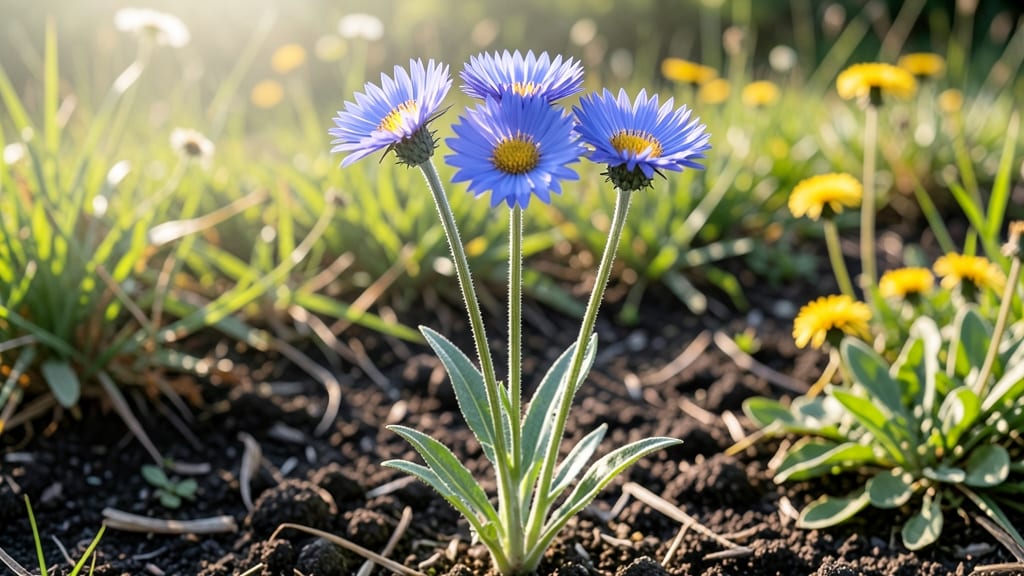
Cornflowers grow between 1 and 4 feet tall, depending on the variety and growing conditions 🌸 — a range that makes them perfect for borders, pollinator patches, or even as cut flowers.
If you're dreaming of a vibrant pollinator garden that bursts with color while requiring minimal maintenance, cornflowers are the perfect choice—but first, you need to know how tall they’ll grow to plan your space wisely.
The dwarf varieties stay under 2 feet, ideal for front-of-border planting, while standard types can reach 3 to 4 feet, creating a striking vertical backdrop. Sunlight and soil quality play a big role in their height, so choosing the right spot is key.
Below, I’ll break down the height differences by variety, how to maximize growth, and the best spacing for a thriving pollinator-friendly display.

Cornflower height by variety: dwarf to towering options for your garden
Cornflowers (Centaurea cyanus) are a gardener's dream—low-maintenance, drought-tolerant, and packed with vibrant blooms that attract pollinators. But before you plant, knowing how tall cornflowers grow helps you design a visually balanced garden.
Some varieties stay compact at just 12 inches tall, while others reach towering heights of 5 feet or more. The right choice depends on your garden layout and design goals.
Whether you're creating a pollinator-friendly border, a cut-flower arrangement, or a dramatic backdrop for other plants, cornflower height plays a key role. Dwarf varieties work beautifully in containers or front-of-border plantings, while taller types make stunning focal points.
Let’s explore the full range of cornflower heights by variety so you can pick the perfect fit for your space.
| Variety | Mature Height | Spacing Needs | Best For |
|---|---|---|---|
| 'Little Beauty' | 12-18 inches | 8-12 inches apart | Containers, borders |
| 'Black Star' | 18-24 inches | 12-18 inches apart | Cut flowers, cottage gardens |
| 'Blue Bouquet' | 24-36 inches | 18-24 inches apart | Mid-border plantings |
| 'Cascade Blue' | 36-48 inches | 24-30 inches apart | Backdrop, pollinator meadows |
| 'Perennial Cornflower' | 48-60 inches | 30-36 inches apart | Wildflower gardens, perennial borders |
If you're working with limited garden space, dwarf varieties like 'Little Beauty' (12-18 inches) are ideal for containers, window boxes, or front-of-border plantings. These compact types thrive in small gardens or urban spaces where vertical growth isn’t practical. Their bright blue blooms add instant color without overwhelming your layout.
For a mid-height focal point, varieties like 'Blue Bouquet' (24-36 inches) strike the perfect balance. They’re tall enough to create visual interest but not so imposing that they block views of other plants.
Place them in the middle of a border or as a transition between shorter and taller plants. Their long stems also make them excellent cut flowers for bouquets.
When you need a dramatic backdrop, reach for taller varieties like 'Cascade Blue' (36-48 inches) or perennial cornflowers (up to 5 feet). These towering types anchor the back of borders, hide unsightly fences, or create a stunning pollinator magnet in wildflower meadows.
Just remember to give them plenty of space—they’ll spread both in height and width as they mature.
One factor that influences cornflower height is sunlight. While most varieties thrive in full sun (6-8 hours daily), some taller types may lean or flop if they don’t get enough light.
If your garden has partial shade, opt for dwarf or semi-dwarf varieties, which are more adaptable. Well-draining soil also plays a role—poor drainage can stunt growth, so amend heavy clay with compost if needed.
Pro tip: If you're planting cornflowers in containers or small spaces, choose a dwarf variety and prune regularly to encourage bushier growth. Pinch back the tips of young plants to promote branching, which results in more blooms and a fuller appearance.
This works especially well for 'Black Star', which naturally has a slightly taller growth habit but responds well to pruning.
For pollinator gardens, taller cornflowers create vertical layers that attract bees, butterflies, and hummingbirds from different heights. Plant dwarf varieties near the ground to lure early-season pollinators, then add medium-height types in the middle for mid-season visitors.
Finally, place tall varieties at the back to provide late-season nectar and shelter. This layered approach maximizes pollinator activity all season long.
Don’t forget to consider your garden’s mature look. Some cornflower varieties, like the perennial types, grow taller each year as they establish roots. If you’re planting near walkways or patios, leave extra space for their eventual height.
Overcrowding can lead to stunted growth or leggy stems, so follow the spacing guidelines in the table above for the best results.
Ready to transform your garden? Start by sketching your layout and selecting cornflower varieties based on their mature heights. Mix and match dwarf, medium, and tall types to create depth and texture. With the right spacing and care, your cornflowers will thrive and bring years of color
How cornflower height affects pollinator gardens: best choices for vertical layers
Creating a thriving pollinator garden isn't just about planting flowers—it's about crafting visual layers that attract bees, butterflies, and hummingbirds at every height. Cornflowers are my go-to for this because their height variations let me design everything from towering backdrops to delicate borders.
The key? Choosing the right cornflower varieties for each layer in your garden's architecture.
Tall cornflowers like 'Black Ball' or 'Blue Boy' reach 3-4 feet, making them perfect for backdrop plants behind shrubs or along fences. These varieties create a dramatic vertical focal point while providing nectar for late-season pollinators. Their striking blue blooms also add visual contrast against darker foliage or evergreens.
- 🌿 Dwarf Cornflowers (12-18"): 'Moonstruck' or 'Alaska' - Ideal for front borders or container gardens. Their compact size prevents them from overwhelming smaller spaces while still attracting early-season bees.
- 🌳 Medium Cornflowers (24-30"): 'Carmen' or 'Blue Horizon' - Perfect for mid-height layers in mixed borders. These varieties bridge the gap between ground level and taller plants, creating a gradual transition that pollinators love to navigate.
- 🌺 Tall Cornflowers (36-48"): 'Black Ball' or 'Blue Boy' - Best for backdrop planting or cut flower arrangements. Their height makes them excellent for screening unsightly areas while providing late-season nectar for monarch butterflies.
- 🌻 Pro Tip: Mix tall and dwarf varieties in the same bed for a natural, layered look that mimics wildflower meadows—pollinators adore this diversity!
When designing your pollinator garden, I always pair tall cornflowers with companion plants that share similar care needs. For example, plant 'Black Ball' cornflowers (4 feet tall) behind purple coneflowers (3 feet) and in front of Russian sage (5 feet) to create a stunning height progression.
This arrangement ensures continuous blooms from early summer through fall, giving pollinators a non-stop buffet.
For smaller gardens or container plantings, dwarf cornflowers like 'Alaska' (12-18 inches) shine as border plants. Pair them with lavender or catmint to create a low-maintenance pollinator haven that thrives in sunny spots.
The secret? Plant them in clusters of 5-7 for maximum impact—this mimics their natural growing habits and attracts more pollinators.
Don't forget that cornflower height affects more than just aesthetics—it influences pollinator access. Tall varieties provide landing platforms for butterflies, while shorter ones offer easy access for bees. By strategically placing different heights, you create a multi-level feeding station that supports a wider range of wildlife.
Plus, the vertical diversity makes your garden more resilient to changing weather patterns.
My favorite design trick? Use tall cornflowers as natural trellises for climbing plants like clematis or morning glories. The cornflowers' sturdy stems support the vines while adding extra blooms at different heights. This not only saves space but also extends the pollinator season by providing continuous color and nectar.