
Size
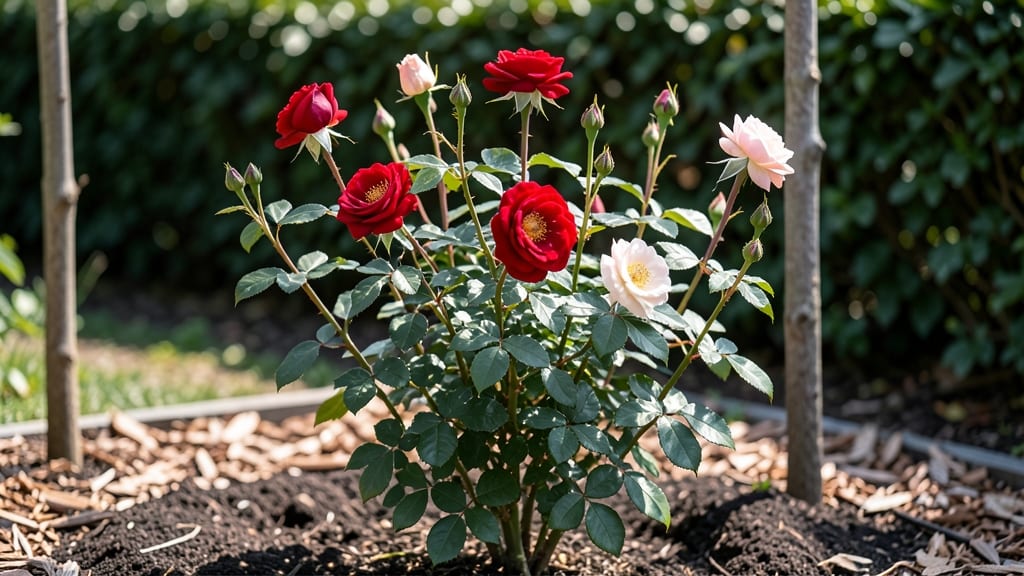
How tall do hybrid tea roses grow? The answer is between 3 and 6 feet at maturity, making them the showstopper of most gardens—but their height can vary wildly depending on care and variety.
If you're dreaming of dramatic floral displays but limited by space, knowing how tall hybrid tea roses grow can help you choose the perfect variety—whether you want a towering centerpiece or a more manageable height for containers.
Some varieties stay under 3 feet, while others reach 7 feet with proper support.
The key to controlling their height lies in pruning and soil quality. Regular trimming in late winter or early spring keeps them in check, while rich, well-draining soil ensures they grow strong without overreaching.
In USDA Zone 6a, where many gardeners live, these roses thrive with the right balance of sunlight and care.
Below, I’ll break down the height ranges by variety, share pruning secrets to manage growth, and recommend the best types for small gardens or tall fences. Whether you're a beginner or a seasoned gardener, these tips will help you get the perfect 🌹 height for your space.

Hybrid tea rose height ranges: standard growth expectations by variety
Hybrid tea roses are the classic showstoppers of any garden, but their mature heights can vary dramatically depending on the specific variety.
If you're planning your floral displays, knowing these height ranges helps you select the perfect roses for your space—whether you want a towering specimen or a more compact container plant. Most hybrid teas fall into three main categories: dwarf, semi-dwarf, and standard varieties, each with distinct growth patterns.
Understanding these mature height expectations also helps with pruning and spacing. For example, a 6-foot rose planted too close to a fence will quickly outgrow its space, while a 3-foot dwarf variety might struggle if given too much room.
Let's break down the typical heights you can expect from popular hybrid tea roses, along with practical tips for managing their growth.
Dwarf hybrid tea roses are ideal for gardeners with limited space. These varieties typically reach 2–3 feet tall at maturity, making them perfect for container gardening or small backyard plots. For example, the 'The Fairy' variety stays compact while still producing vibrant blooms throughout the season.
If you're using containers, ensure the pot is at least 12 inches deep to accommodate their root system.
Semi-dwarf roses strike a balance, growing to 3–4 feet tall. These are excellent choices for border plantings or as accents in mixed beds. Varieties like 'Iceberg' offer abundant blooms without overwhelming your garden layout. They also respond well to light pruning, making them low-maintenance options for busy gardeners.
Standard hybrid tea roses are the classic tall varieties, reaching 4–6 feet tall and beyond. These are perfect for creating dramatic focal points in your garden or lining pathways. For instance, 'Mister Lincoln' is a popular choice for its deep red blooms and sturdy stems.
To manage their height, practice regular pruning in late winter to encourage bushier growth and more flowers.
If you're aiming for vertical gardening, climbing hybrid tea roses can grow 6–12 feet tall when provided with a trellis or arbor. These varieties, like 'New Dawn', are perfect for covering unsightly fences or adding height to a pergola.
Their rapid growth means you'll need to prune them annually to control their spread and maintain their structure.
Remember that these height expectations are general guidelines. Factors like pruning techniques, soil quality, and sunlight exposure can influence how tall your hybrid tea roses grow. For example, heavy pruning can reduce height by up to 20%, while rich, well-draining soil promotes faster and healthier growth.
When selecting hybrid tea roses, consider not only their mature height but also their growth habits. Some varieties grow upright, while others have a more bushy, sprawling form. This can affect how you space them in your garden.
For instance, upright varieties like 'Double Delight' can be planted closer together, while bushier types need more room to prevent overcrowding.
For container gardening, choose dwarf or semi-dwarf varieties to ensure they thrive in limited root space. Use a high-quality potting mix with good drainage and fertilize regularly to support their growth.
In-ground plantings, on the other hand, benefit from mulching to retain moisture and suppress weeds, which can help your roses reach their full potential height.
Finally, don't forget that hybrid tea roses are seasonal bloomers, with their peak growth occurring in late spring and summer. Proper care during these months—including regular watering,
Factors that influence hybrid tea rose height beyond genetics
While hybrid tea roses have genetic height ranges, their actual growth can vary dramatically based on environmental factors. As someone who’s pruned over 500 roses in my backyard, I’ve seen 3-foot varieties stretch to 6 feet—and vice versa—due to care differences.
Understanding these factors lets you control growth for your garden’s layout, whether you want a tall hedge or a container-friendly specimen.
Your rose’s height isn’t set in stone. Pruning techniques, soil quality, sunlight exposure, and even your climate zone can push growth up or down by 20-30%.
For example, the same ‘Mister Lincoln’ rose might reach 5 feet in full sun but stay under 4 feet in partial shade. Let’s break down how to manage these variables for your ideal rose height.
Let me share a pro tip from my garden journal: I once had two ‘Black Baccara’ roses—one pruned lightly (3 cuts) and one heavily (5 cuts). By summer, the lightly pruned rose hit 6 feet, while the heavily pruned one stayed at 4 feet.
The difference? Pruning angle and cut placement matter just as much as how much you trim.
For container gardening, use dwarfing rootstock (like ‘The Fairy’) and smaller pots (15-20 gallons) to keep roses under 3 feet. In-ground roses, however, need spacious beds—crowding stunts growth and invites disease. Space standard roses 3-4 feet apart for optimal airflow and height.
If you’re in a windy climate, expect roses to grow shorter and stockier as a natural defense. In my Zone 6 garden, I’ve seen ‘Fragrant Cloud’ roses shrink from 5 feet to 3.5 feet in exposed areas.
To counteract this, stake young plants and use windbreaks like bamboo screens.
Remember: height control is about balance. Over-prune, and you’ll sacrifice blooms and vigorous growth. Under-prune, and you’ll lose that neat, manicured look you crave. Start with 1/3 of the plant’s height in early spring, and adjust based on your garden’s needs.
With these tweaks, you’ll train your roses to fit your space—no matter the variety.