
Flowers
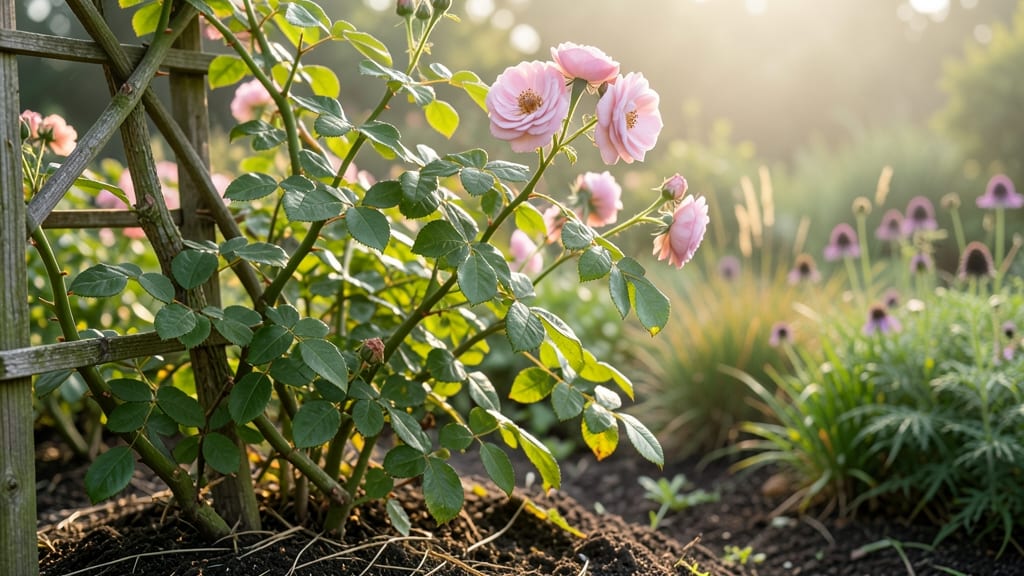
Climbing roses flower at different times depending on their variety, with some bursting into bloom as early as spring and others waiting until late summer.
If you’ve ever waited impatiently for your 🌹 climbing roses to flower, you’re not alone. The timing isn’t just about luck—it’s about understanding the type of rose you’ve planted and how to care for it.
Some varieties, like 'New Dawn,' shine in spring, while others, such as 'Blaze,' put on a show in summer.
But here’s the good news: with the right knowledge, you can encourage your climbing roses to flower longer and more abundantly. Whether you’re in USDA Zone 6a or another region, learning the seasonal triggers and care tips will help you enjoy a garden full of fragrant blooms all season long.
In this guide, I’ll break down the flowering seasons by variety, share expert tips on pruning and care, and show you how to maximize your roses’ bloom time—so you can enjoy their beauty from early spring through late summer.
Climbing rose flowering seasons by variety type: a complete guide
Climbing roses are some of the most dramatic plants in any garden, but their blooming seasons vary dramatically depending on the variety type. Some burst into color in early spring, while others wait until late summer or even fall.
Understanding these patterns helps you choose the right roses for your garden and maximize their flowering potential. Let’s explore the key categories and their seasonal triggers.
Most climbing roses fall into three main flowering categories: spring-blooming, summer-blooming, and repeat-flowering varieties. Each has unique timing and care needs. For example, 'New Dawn' blooms just once in spring, while 'Zephirine Drouhin' produces clusters of flowers from summer through fall.
Knowing these differences ensures you’ll have blooms from May through October or even later.
Here’s a quick breakdown of what to expect from each type, along with USDA zone adjustments for gardeners in zones 5-9. Whether you’re in a cold northern climate or a warm southern one, these insights will help you plan your garden for year-round color.
The spring-blooming varieties like 'New Dawn' are famous for their early May-June displays, often producing hundreds of blooms in just a few weeks. These roses are ideal if you want a dramatic spring entrance but don’t mind waiting until next year for another show.
In USDA zone 5, for example, these roses may bloom as early as late April, while in zone 9, they might extend into early July.
For those who crave summer-long color, summer-blooming varieties like 'Blaze' deliver vibrant red blooms from June through August. These roses thrive in full sun and benefit from regular deadheading to encourage more flowers.
In cooler zones (5-6), their blooming season might start later, around mid-July, while in warmer zones (8-9), they can begin as early as May.
If you dream of nonstop blooms, repeat-flowering varieties like 'Zephirine Drouhin' are the stars of the show. These roses produce multiple flushes of flowers from May through October, often with fragrant clusters that attract pollinators.
In USDA zone 5, their season might start in June and taper off by September, while in zone 9, they can continue blooming into November.
Don’t overlook late-season varieties like 'Graham Thomas', which shine from August through November. These roses are perfect for adding fall interest to your garden.
In northern climates (zones 5-6), their blooms may fade by October, but in southern zones (8-9), they can extend into December with proper care. Mulching heavily in fall helps protect their buds from early frosts.
To maximize your climbing roses’ blooming potential, pay attention to pruning timing and fertilizing schedules. Spring-bloomers should be pruned right after flowering, while repeat-flowerers benefit from light pruning in early spring and deadheading throughout the season.
In USDA zone 7, for example, I’ve found that applying a balanced fertilizer in early spring and again in mid-summer encourages longer blooming periods.
How to extend your climbing roses’ blooming season with pruning and care
Climbing roses reward careful gardeners with stunning, fragrant blooms—but only if you time your care right. The key to extending their flowering season lies in understanding when and how to prune, fertilize, and deadhead.
Spring bloomers like 'New Dawn' need early pruning, while summer varieties like 'Blaze' thrive with late-season care. Let’s unlock the secrets to keeping your climbing roses in bloom longer.
First, recognize that pruning timing directly impacts bloom cycles. Spring-blooming roses produce flowers on old wood, meaning they bloom on last year’s growth. Prune them right after flowering to avoid cutting off next year’s buds.
Repeat-blooming varieties, however, form buds on new wood, so they benefit from late winter pruning to encourage fresh growth and extended blooms.
Here’s how to align your care with your rose’s natural cycle:
Spring vs. Summer Bloomers: Pruning Timelines
| Type | Best Pruning Time | Why It Works | Example Variety |
|---|---|---|---|
| Spring Bloomers | Right after blooming (late spring) | Preserves old wood for next year’s flowers | 'New Dawn' |
| Summer Bloomers | Late winter/early spring | Encourages new growth for summer blooms | 'Blaze' |
| Repeat Bloomers | Late winter AND after each flush | Stimulates continuous new growth | 'Zephirine Drouhin' |
Deadheading is another game-changer for extending blooms. For spring bloomers, skip deadheading—they rely on last year’s wood. But for repeat bloomers, snip off spent blooms just above a leaf with 5 leaflets to redirect energy into new flowers. This simple step can add weeks to your rose’s display.
Fertilizing on a schedule is equally critical. Use a balanced 10-10-10 fertilizer every 4-6 weeks during the growing season (spring to early fall). In late summer, switch to a low-nitrogen fertilizer to encourage hardening before winter. Avoid fertilizing in fall—it can stimulate tender new growth that won’t survive frost.
Don’t overlook watering, either. Deep watering once a week (or more in extreme heat) keeps roots healthy, but morning watering prevents fungal diseases like black spot. Mulch around the base with 2-3 inches of organic mulch to retain moisture and regulate soil temperature.
With these techniques, your climbing roses can bloom from early summer to frost, turning your garden into a fragrant paradise. Start with the right pruning, then deadhead and fertilize strategically—your roses will thank you with vibrant, long-lasting blooms all season. 🌹