
Flowers
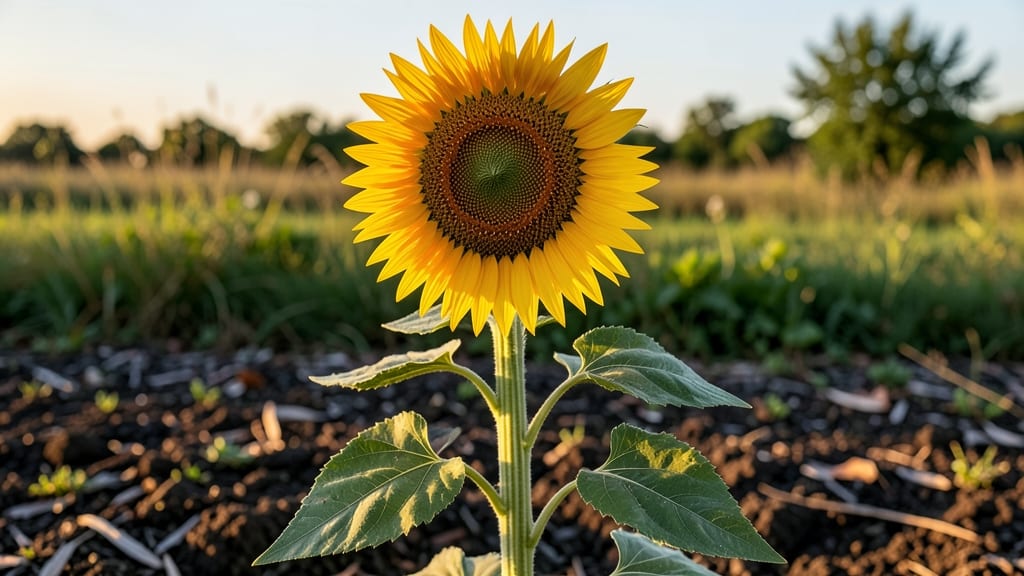
Mammoth sunflowers grow to 10–14 feet tall 🌻, making them the towering giants of the garden—but their exact height depends on the variety, your growing conditions, and a little extra care.
If you're dreaming of a sunflower towering over your garden fence, Mammoth sunflowers might be your perfect choice—but did you know their heights can vary by over 6 feet depending on the variety? Understanding these differences is key to planning your garden layout, space requirements, and even pollinator-friendly designs.
Some varieties, like the 'Mammoth Russian', can reach 14 feet with ideal conditions, while others stay closer to 8–10 feet. The right soil, sunlight, and spacing make all the difference—so let’s break down how to help your sunflowers hit their full potential height.
Below, you’ll find exact height ranges by variety, tips for supporting tall stems, and how to avoid common mistakes that stunt growth. Ready to plan your sunflower skyline?

Mammoth sunflower height chart: exact growth by popular varieties
If you're planning a sunflower garden that makes a bold statement, knowing the exact heights of Mammoth sunflower varieties is essential. These giants can reach heights that dwarf most garden structures, but their growth varies significantly between cultivars.
Understanding these differences helps you choose the perfect variety for your space—whether you want a privacy screen, pollinator magnet, or simply a dramatic focal point.
Mammoth sunflowers typically mature between 8 and 14 feet, but some varieties push even higher with ideal conditions. The key factors influencing height include genetics, soil quality, sunlight exposure, and proper spacing.
Without adequate room, stems compete for nutrients, resulting in shorter, weaker plants. Below, I’ve compiled a detailed height comparison of the most popular Mammoth sunflower varieties, along with their ideal spacing and maturity timelines.
For quick reference, use the summary-table below to compare varieties at a glance. This will help you decide which Mammoth sunflower fits your garden’s layout and aesthetic goals—whether you prefer a tall, slender stalk or a broad, bushy habit.
| Variety | Mature Height (ft) | Ideal Spacing (in) | Days to Maturity | Key Features |
|---|---|---|---|---|
| Mammoth Russian | 10–14 ft | 18–24 | 90–120 | Tallest variety; dark brown centers; excellent for seed production |
| American Giant | 12–16 ft | 24–36 | 100–120 | Classic heirloom; sturdy stems; vibrant yellow petals |
| Autumn Beauty | 8–12 ft | 12–18 | 85–100 | Bicolor petals; earlier bloomer; great for cut flowers |
| Russian Giant | 10–14 ft | 18–24 | 90–110 | Drought-tolerant; dark centers; long vase life |
| Mammoth Golden Giant | 12–15 ft | 24–36 | 100–120 | Bright golden-yellow; sturdy stems; ideal for pollinators |
The 'American Giant' variety often tops the height charts, reaching an impressive 12–16 feet under optimal conditions. This makes it a standout choice for creating a natural privacy screen or a dramatic garden backdrop.
However, its 24–36 inch spacing requirement means it’s best suited for larger gardens or rural settings where overcrowding isn’t an issue.
If you’re working with limited space, 'Autumn Beauty' is a fantastic alternative. While it matures slightly shorter at 8–12 feet, its bicolor petals and earlier blooming time (85–100 days) make it a favorite for cut flower arrangements.
The 12–18 inch spacing also makes it more adaptable to smaller gardens or containers.
For those prioritizing seed production or bird feeding, the 'Mammoth Russian' variety is a top pick. Its 10–14 foot height and dark brown centers attract pollinators and birds, while its 90–120 day maturity ensures a late-season harvest.
Just be sure to provide 18–24 inches of space to prevent stems from leaning or breaking under their own weight.
When planning your garden layout, remember that overcrowding is the #1 enemy of tall sunflowers. Stems that compete for sunlight and nutrients will grow weak and spindly, increasing the risk of lodging (falling over).
Always follow the spacing recommendations in the table above, and consider staking or caging varieties like 'American Giant' for added support.
Another critical factor is soil fertility. Mammoth sunflowers thrive in well-draining, nutrient-rich soil with a pH of 6.0–7.5. Amending your soil with compost or aged manure before planting can significantly boost height and flower size.
Avoid heavy soils, which can stunt root growth and limit the plant’s ability to support its massive stature.
Finally, don’t overlook the role of sunlight. Mammoth sunflowers require full sun (6–8+ hours daily) to reach their full potential. In regions with shorter daylight hours, consider using grow lights or planting in the southernmost part of your garden to maximize exposure.
Even a few hours of shade can reduce height by 2–3 feet.
Want to grow Mammoth sunflowers that reach their full towering potential? These giants can grow 10-14 feet tall, but only with the right care. The key is balancing their space needs with optimal growing conditions to prevent overcrowding while encouraging vertical growth. I’ve learned that proper soil preparation, sunlight exposure, and supportive staking make all the difference in achieving those impressive heights. One common mistake I see is planting Mammoth sunflowers too closely, which leads to weak stems and stunted growth. These varieties need at least 2-3 feet of space between plants to thrive. When you give them room to grow, they’ll reward you with those stunning, sky-reaching blooms that become the centerpiece of your garden. Let’s break down the essential steps to maximize their height while keeping your garden organized and healthy.How to maximize Mammoth sunflower height without overcrowding
Another tip I swear by is pruning lower leaves as the plant grows. Removing leaves near the base redirects energy to the main stem, encouraging it to grow taller and straighter. Just be careful not to remove too many leaves—you want to maintain enough foliage for photosynthesis.
I usually prune every 2-3 weeks during the growing season to keep my Mammoth sunflowers on track for maximum height.
For those living in cooler climates, consider starting seeds indoors 4-6 weeks before the last frost. This gives your sunflowers a head start and extends the growing season, allowing them to reach their full height potential.
In warmer regions, direct sowing after the last frost works perfectly, but make sure to harden off seedlings if you’re transplanting.
Don’t forget that patience is key—Mammoth sunflowers take 90-120 days to reach maturity. During this time, monitor their progress and adjust your care routine as needed.
With the right conditions, you’ll be rewarded with sunflowers that dwarf your garden fence and attract pollinators like bees and butterflies all season long.
If you’re planning a pollinator-friendly garden, Mammoth sunflowers are a fantastic choice. Their towering presence not only adds drama but also provides a feeding station for bees and other beneficial insects. Just ensure you leave some seed heads for wildlife to enjoy once the flowers fade.