
How To
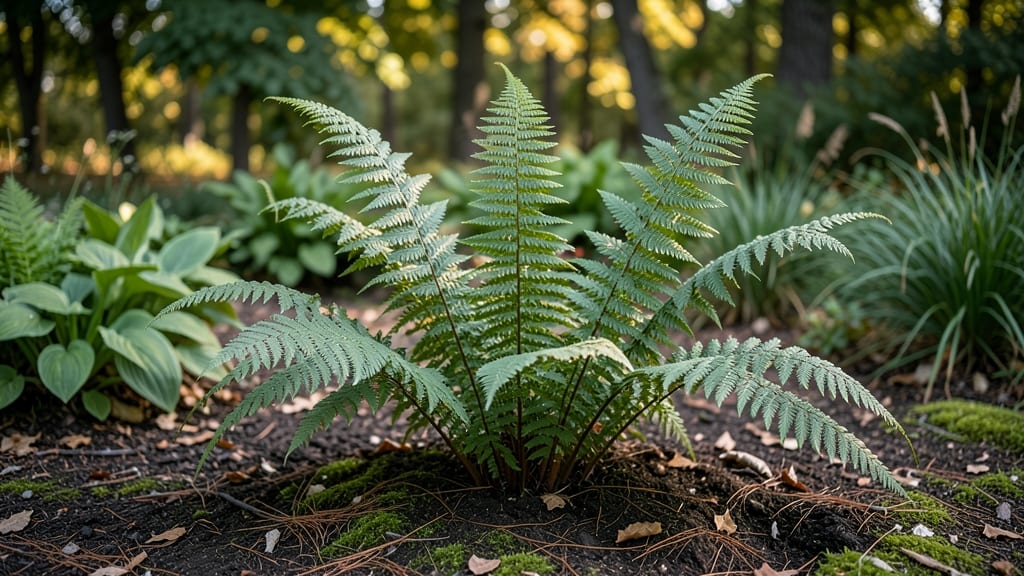
Ostrich ferns 🦩 can grow between 3 and 5 feet tall, making them a striking addition to shady garden spots—but their final height depends on how you care for them.
If you’re dreaming of a lush, low-maintenance shade garden, ostrich ferns could be your perfect solution—but first, you need to know how tall they’ll grow before they take over (or underwhelm) your space.
In ideal conditions—rich, moist soil and partial shade—these ferns reach their full height in just 2 to 3 years. However, poor soil or too much sun can stunt their growth, leaving you with a much smaller (and less impressive) plant.
Below, I’ll break down exactly what to expect, how to encourage healthy growth, and where to plant them for the best results.

Ostrich fern mature height: what to expect in different growing conditions
If you’ve fallen in love with the feathery fronds of ostrich ferns, you’re probably wondering: how tall do ostrich ferns grow in my garden? The answer depends on the variety, sunlight exposure, and soil quality—all factors that dramatically influence their mature height.
Most gardeners see heights ranging from 2 to 5 feet, but with the right conditions, some varieties can even reach 6 feet in ideal settings.
For example, the common ostrich fern (Matteuccia struthiopteris) typically matures between 3 and 5 feet, while the paintbrush ostrich fern (M. pensylvanica) stays slightly shorter at 2 to 4 feet.
Understanding these differences helps you plan spacing and avoid overcrowding in your shade garden. Let’s break down how each factor plays a role in their height.
| Variety | Mature Height | Sunlight Needs | Soil Conditions |
|---|---|---|---|
| Matteuccia struthiopteris (Common) | 3–5 ft | Partial to full shade | Rich, moist, well-drained |
| M. pensylvanica (Paintbrush) | 2–4 ft | Partial shade | Moist, slightly acidic |
| M. struthiopteris 'Plumosa-Aurea' | 4–5 ft | Partial shade | Moist, organic-rich |
| M. struthiopteris in full shade | 2–3 ft | Full shade | Consistently moist |
| M. struthiopteris in poor soil | 1.5–3 ft | Partial shade | Clay-heavy or dry |
The sunlight exposure is one of the biggest factors in determining how tall your ostrich ferns will grow. These ferns thrive in partial to full shade, where they can reach their full 3–5 foot height.
However, if planted in bright indirect light, they may grow taller but produce fewer fronds. In full sun, their growth can become leggy and weak, often stunting their height to 2–3 feet while increasing stress on the plant.
For optimal growth, aim for 3–6 hours of morning sun and afternoon shade. This balance encourages strong frond development and prevents the yellowing leaves that signal sunburn.
If your garden only offers full shade, don’t worry—ostrich ferns will still grow, just slightly shorter (around 2–3 feet), but with lush, healthy foliage.
Soil quality is another critical factor. Ostrich ferns love moist, well-draining, organic-rich soil with a slightly acidic to neutral pH (6.0–7.5). In ideal conditions, they can reach their maximum height of 5 feet within 3–4 years. However, if planted in poor soil—like clay-heavy or compacted ground—their growth will slow, often capping out at 1.5–3 feet. To improve soil, mix in compost or peat moss before planting.
Even with perfect conditions, ostrich ferns grow at a moderate pace. In their first year, you’ll see fronds reaching 1–2 feet, while by year three, they’ll hit their mature height.
Patience is key—these ferns focus on root establishment before shooting upward. If you’re impatient, you can lightly fertilize in early spring with a balanced 5-10-10 fertilizer to encourage faster growth.
One common mistake gardeners make is overcrowding ostrich ferns. Since they can spread 2–3 feet wide, planting them too close will stunt their height as they compete for nutrients. Space them 3–4 feet apart to give them room to reach their full potential.
In smaller gardens, consider dwarf varieties like M. pensylvanica, which stay under 4 feet tall while still providing that dramatic, architectural look.
If you’re designing a shade garden, ostrich ferns are a fantastic choice for adding vertical interest. Their feathery fronds create movement and texture, making them perfect for woodland gardens, under trees, or alongside hostas and astilbes.
Just remember: the taller the fern, the more wind-resistant it needs to be. In exposed areas, taller varieties may need staking to prevent flopping in strong breezes.
For gardeners in cooler climates (USDA Zones 3–8), ostrich ferns are hardy and will thrive with minimal care. In warmer zones (9–10), they may benefit from afternoon shade to prevent heat stress.
Mulching around the base with wood chips or leaf litter helps retain moisture and keeps roots cool
How fast do ostrich ferns grow? Timeline from fronds to full height
Ostrich ferns (Matteuccia struthiopteris) are one of the fastest-growing shade plants, but their growth rate depends on soil quality, water availability, and light conditions. In ideal settings, you’ll see dramatic changes from spring to fall, with new fronds unfurling every few weeks.
Understanding their growth timeline helps you plan your garden layout and care routine effectively.
These ferns start small but grow aggressively in their first year. With proper care, they can reach 1.5–2 feet by late summer. By year three, they’ll typically hit their mature height of 4–5 feet, though some varieties may stay shorter.
The key to faster growth lies in consistent moisture and rich, organic soil.
- 🌱 Year 1: 1–2 ft tall with 3–5 fronds by late summer. Focus on establishing roots with weekly watering.
- 🌿 Year 2: 3 ft height, 8–12 fronds. Growth accelerates in spring and fall. Add compost to boost nutrients.
- 🌳 Year 3: 4–5 ft mature height, 15+ fronds. Fronds may brown in winter but regrow in spring.
- ⏳ Seasonal Note: Fastest growth occurs in spring (March–May) and fall (September–October).
- 💧 Pro Tip: Deep watering 2–3x weekly speeds up growth by 30–50%.
Seasonal changes play a huge role in their growth. In spring, ostrich ferns shoot up quickly, with new fronds emerging every 2–3 weeks.
By summer, growth slows slightly due to heat, but they’ll still add 6–12 inches if conditions are right. Fall brings another growth spurt, often producing their largest fronds of the year before dormancy.
To accelerate growth, focus on soil preparation. Amend your garden bed with well-rotted compost or peat moss to improve moisture retention. These ferns thrive in humid, shaded environments, so mulch heavily with leaf litter or wood chips to keep roots cool and hydrated.
Avoid direct sunlight, which can scorch fronds and stunt growth.
If you’re planting in containers, choose large pots (at least 12–18 inches wide) to accommodate their spreading rhizomes. Container-grown ferns grow 10–20% slower than in-ground plants but still reach 3–4 feet with proper care. Repot every 2–3 years to refresh soil nutrients.
With the right conditions, your ostrich ferns can transform a shady corner into a lush, textured focal point in just a few seasons. Their arching fronds add vertical interest, making them perfect for woodland gardens, rain gardens, or under trees.
Just remember: patience is key—these beauties take 2–3 years to reach their full potential! 🌿