
How To
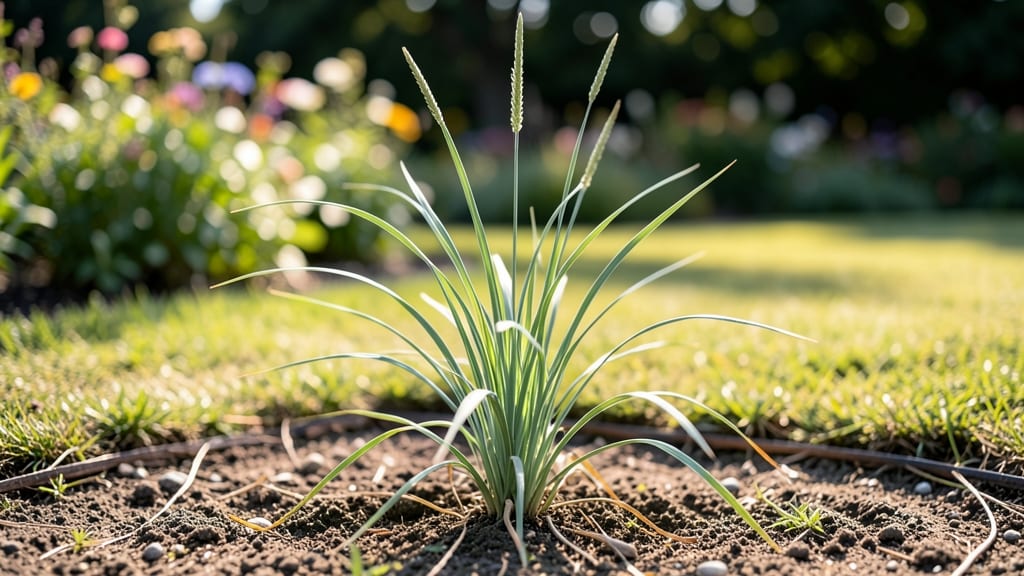
Switchgrass grows 1 to 2 feet tall in its first year—far less than its mature height of 4 to 7 feet, but still a striking addition to your landscape.
Wondering if it will tower over your garden in its first year—or fizzle out like a damp firework? The truth lies in understanding its growth patterns, from early sprouts to summer spikes, so you can set realistic expectations and plan your landscape accordingly.
This hardy 🌾 grass thrives in USDA Zone 6a and beyond, but its height hinges on soil quality, sunlight, and watering habits. With the right care, you can push those first-year stems toward the upper end of the range—though patience is key.
Below, I’ll break down what to expect month by month, plus the simple tweaks that make a big difference in height. Ready to grow it right?

Switchgrass height by month: first-year growth timeline explained
Switchgrass (Panicum virgatum) is a hardy native grass that starts small but packs surprising growth potential in its first year. While it won’t reach its mature 4-7 feet height right away, understanding its monthly growth stages helps you set realistic expectations and optimize care for faster development.
With the right conditions, your switchgrass could hit 3 feet by fall—but only if you avoid common pitfalls like poor soil or overcrowding.
The key to first-year success lies in balancing sunlight exposure, water consistency, and soil drainage. Switchgrass thrives in full sun but can tolerate partial shade, though slower growth is inevitable.
In ideal conditions—well-draining soil, 6+ hours of sunlight daily, and moderate watering—you’ll see steady progress from spring to fall. Let’s break down exactly what to expect month by month.
| Month | Expected Height Range | Growth Factors | Care Tips |
|---|---|---|---|
| March-April | 0–3 inches | Soil warming, seed germination | Test soil pH (6.0–7.5), light mulch |
| May | 3–12 inches | Rapid root establishment, 6+ sun hours | Water deeply 1x/week, avoid fertilizing |
| June | 12–24 inches | Active shoot growth, heat tolerance | Reduce water to bi-weekly, monitor for pests |
| July | 24–36 inches | Peak growth, drought resilience | Water only if soil is bone-dry, no fertilizer |
| August-September | 30–36 inches (plateau) | Slower growth, seed head formation | Cut back dead foliage in fall, mulch lightly |
| October-November | 0–3 inches (dormancy) | Cold tolerance, root hardening | Stop watering, protect from frost |
Your switchgrass will start as tiny green shoots in March, barely poking through the soil. By May, expect a noticeable jump to 12 inches if planted in well-draining soil with full sun.
This early growth spurt is critical—it’s when roots establish deeply, setting the stage for taller stems later. Skimp on sunlight or water here, and you’ll see stunted growth all season.
June is when things get exciting: your switchgrass could double in height, reaching 24 inches if conditions are ideal. This is also when drought tolerance kicks in, so resist the urge to overwater.
Switchgrass stores moisture efficiently, and too much water can rot roots. Aim for deep watering every 7–10 days instead of frequent shallow drinks.
By July, your plants may finally hit their first-year peak of 36 inches, though some varieties like ‘Northwind’ stay shorter (2–3 feet). This is the best time to assess sunlight exposure: if your grass is leaning or growing unevenly, it’s likely shading itself.
Thin out crowded clumps to improve airflow and reduce disease risk.
Once August rolls around, growth slows as the plant shifts energy to seed production. You might see minimal height gains (if any), but this is normal.
The real work happens underground—roots thicken for winter survival. Avoid cutting back until late fall, or you’ll remove stored nutrients the plant needs to rebound next spring.
Environmental factors like soil pH and wind exposure can dramatically alter this timeline. For example, alkaline soil (pH >7.5) stunts growth, while acidic soil (pH <6.0) can cause yellowing. Test your soil in early spring and amend with compost or sulfur as needed.
Windy sites may also bend stems, reducing height potential—consider planting near a windbreak if you’re in an exposed area.
One common misconception is that switchgrass needs constant watering to grow tall. In reality, overwatering is worse than underwatering for
How to maximize switchgrass growth in its first season
Switchgrass (Panicum virgatum) might seem like a slow starter, but with the right care, you can coax it to reach its first-year potential of 1–2 feet. The key lies in mimicking its native prairie habitat—well-draining soil, minimal interference, and plenty of sunlight.
Unlike ornamental grasses that shoot up overnight, switchgrass builds a strong root system first, which means patience pays off in the long run. Native varieties like 'Blackwell' or 'Shenandoah' grow taller faster than cultivars, but all benefit from the same foundational care.
One of the biggest mistakes gardeners make is over-fertilizing switchgrass, which can lead to weak stems and disease. This hardy grass thrives on low-nutrient soil and actually prefers it—think of it as the low-maintenance workhorse of the garden.
Instead of nitrogen-heavy fertilizers, focus on organic matter like compost or well-rotted manure to improve soil structure without overwhelming the plant. Even poor drainage can stunt growth, so test your soil and amend it with sand or perlite if needed.
Here’s what you need to know to set your switchgrass up for success in its first season:
- 1 Soil Prep: Amend clay-heavy soil with compost and sand to ensure good drainage. Aim for a slightly acidic to neutral pH (6.0–7.0).
- 2 Sunlight: Plant in full sun (6+ hours daily). Partial shade may reduce height by 30–50% in the first year.
- 3 Watering: Water deeply once weekly (1–1.5 inches) during dry spells. Avoid overwatering, which causes root rot.
- 4 Fertilizer: Skip nitrogen-heavy fertilizers. Use a balanced 10-10-10 at planting, then none afterward until year two.
- 5 Mulch: Apply 2–3 inches of mulch (straw or wood chips) to retain moisture and suppress weeds without smothering growth.
Native switchgrass varieties often outperform cultivars in height during the first year because they’re adapted to local conditions. For example, 'Northwind' (a cold-hardy variety) may grow 6–12 inches taller than 'Dallas Blues' in the same climate.
If you’re using cultivars, choose those labeled for landscape use, as they’re bred for taller, denser growth. Just remember: patience is key—switchgrass prioritizes root development over height in its first season, so resist the urge to trim it back aggressively.
Watch for common growth inhibitors like compacted soil or excessive shade, which can reduce height by up to 50%. If your switchgrass starts leaning or looks sparse, it’s likely root-bound or struggling with poor circulation.
Thin out crowded clumps in early spring to give each plant 12–18 inches of space. Over time, this encourages stronger stems and taller growth in subsequent years.
By summer’s end, your switchgrass should stand 1–2 feet tall, with thicker stems and deeper roots than it had in spring. The real magic happens in year two, when it can double in height—so treat this first season as an investment in its future.
With the right care, you’ll be rewarded with a dramatic vertical display that’s perfect for privacy screens or wildlife-friendly landscapes.