
Mower
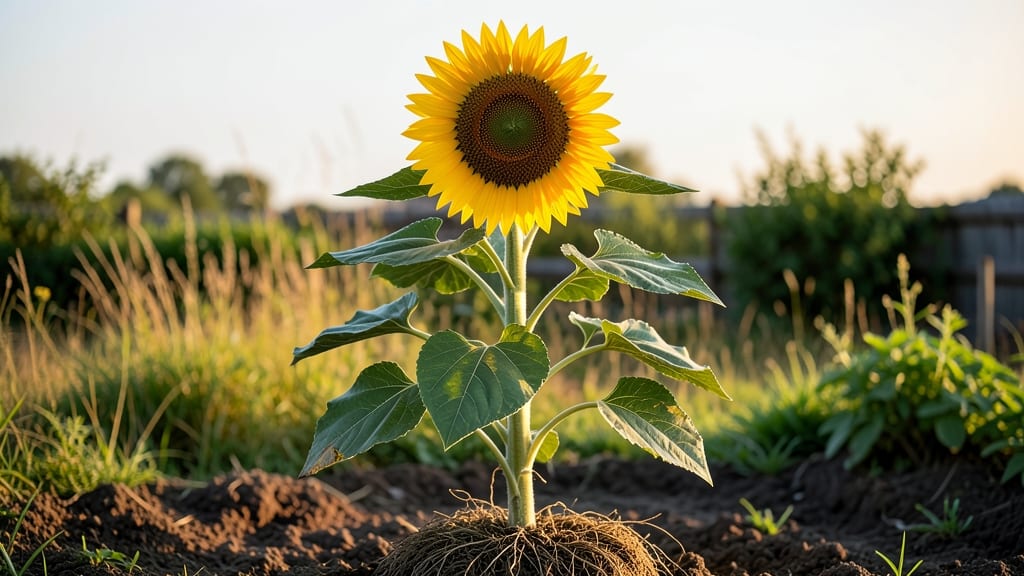
The Mammoth Russian sunflower can grow to heights of 12 to 14 feet—taller than most gardeners can reach without a ladder.
If you’ve ever planted one expecting a modest bloom only to watch it stretch skyward like a giant reaching for the clouds, you know how quickly things can get out of hand.
This sunflower isn’t just a decorative statement—it’s a year-long commitment to space, support, and patience. Without the right preparation, you might end up with a top-heavy plant leaning dangerously or struggling to reach its full potential.
The key to success lies in understanding its growth stages month by month, so you can give it the support it needs before it’s too late.
In this guide, I’ll break down exactly how tall the Mammoth Russian sunflower grows each month, from April’s first sprouts to its September peak. You’ll learn the critical milestones, how to maximize its height, and why spacing and staking make all the difference in Zone 6a climates.
Whether you’re dreaming of a sunflower that towers over your fence or just want to avoid a wind-snapped disaster, these insights will help you grow one that stands tall—and stays upright—all season long.

Mammoth Russian sunflower height by month: exact growth stages explained
The Mammoth Russian sunflower (Helianthus annuus 'Mammoth Russian') grows with explosive speed, transforming from a tiny seedling into a 12–14-foot towering beauty. Understanding its month-by-month growth helps you anticipate space needs, provide support, and avoid common pitfalls that limit its dramatic height potential.
This sunflower variety experiences three critical growth phases: early sprouting, rapid vertical growth, and final maturation. Each month brings distinct height milestones, influenced by sunlight exposure, soil nutrients, and watering consistency.
Let’s break down exactly how tall your Mammoth Russian should be each month and what to watch for.
Pro Tip: Plant seeds after your last frost date (typically mid-April in USDA Zone 6a) for optimal growth timing. Early planting can lead to leggy stems, while late planting may reduce final height.
| Month | Average Height | Key Growth Milestones | Critical Care Tasks |
|---|---|---|---|
| April | 0–2 inches | Germination (5–14 days) | Keep soil moist, protect from frost |
| May | 1–3 feet | Rapid stem elongation begins | Thin seedlings to 12–18 inches apart |
| June | 3–6 feet | Bud formation visible | Install stakes (4–6 ft tall) |
| July | 6–9 feet | Flower buds open | Fertilize with 10-10-10 (1 tbsp) |
| August | 9–12 feet | Peak flowering, rapid height gain | Water deeply (1–2 gallons weekly) |
| September | 10–14 feet | Seed heads mature, petals droop | Harvest seeds or cut flowers |
| October | 12–14 feet (full height) | Plant senesces, stem woody | Cut back stems, compost |
In May, your Mammoth Russian sunflower will shoot up 1–3 feet in just a few weeks, making early spacing critical. Plant seeds 1 inch deep and 6 inches apart, then thin seedlings to 12–18 inches apart to prevent competition. Overcrowding stunts height by 20–30% due to nutrient competition.
By June, expect a 3–6-foot leap in height, with buds forming at the stem tips. This is when you should install support stakes (4–6 feet tall) to prevent wind damage. Without support, stems can flop over, reducing sunlight exposure and limiting final height by 1–2 feet.
The July–August period is the most dramatic, with growth spurts of 3 feet per week under ideal conditions. Ensure your sunflowers receive 6–8+ hours of sunlight daily—shade during these months can slow growth by 50%.
Supplement with a balanced fertilizer (10-10-10) every 4–6 weeks to fuel rapid vertical expansion.
By September, your Mammoth Russian will reach its full 10–14-foot height, with flower heads maturing. This is also when you’ll notice petals drooping—a sign the seeds are ready for harvest.
If you’re growing for cut flowers, harvest when 70% of petals have turned brown for maximum vase life.
One common mistake
How to maximize Mammoth Russian sunflower height: proven gardening tips
To coax your Mammoth Russian sunflower to reach its stunning 12-14 foot potential, focus on three critical factors: soil quality, sunlight exposure, and structural support. These giants don’t just grow tall—they thrive when given the right conditions from the moment they sprout.
I’ve learned that even a small oversight in early care can leave you with a sunflower that’s only half the height it could be.
Start by testing your soil pH—these sunflowers prefer slightly acidic to neutral soil between 6.0 and 7.0. Amend heavy clay soils with compost or sand to improve drainage, as waterlogged roots will stunt growth.
I once planted mine in pure clay and ended up with a 6-foot sunflower instead of the 12-foot giant I’d hoped for.
⚠️ callout tip
Your sunflower’s sunlight needs are non-negotiable—these plants demand 6-8 hours of direct sun daily. I’ve seen dramatic differences in height when moving plants from partial shade to full sun: the same variety grew 8 feet in shade but 13 feet when moved to a sunnier spot.
If your garden lacks full sun, consider using reflective mulch or a sunlight panel to supplement.
Watering plays a surprising role in height. While these sunflowers are drought-tolerant once established, deep watering twice weekly during their first 6 weeks encourages rapid stem elongation. I water mine at the base in the morning to prevent fungal diseases that can weaken stems.
Avoid overhead watering—wet foliage invites powdery mildew, which can reduce height by 25%.
Structural support is often overlooked but critical. Without it, your 10-foot sunflower might flop over by August. I use bamboo stakes or heavy-duty cages installed at planting time.
For extra stability, tie stems loosely with soft plant ties every 2-3 feet. Never use wire ties—they can damage tender stems and limit growth.
Finally, avoid these common mistakes: overcrowding (space plants 2-3 feet apart), late fertilization (stop feeding after July), and pruning (never trim the main stem). I once pruned a young sunflower to encourage bushiness—it never reached 6 feet. These giants grow best when left entirely alone after planting.
With the right care, your Mammoth Russian sunflower will become the tallest plant in your neighborhood, turning heads and providing years of conversation. The key is consistency—great height doesn’t happen overnight, but with these tips, you’ll be rewarded with a sunflower that truly lives up to its name.